Looking for metaphysics books? We've gathered 27 free metaphysics books in PDF, covering topics like the nature of reality, existence, ontology, consciousness, and free will.
From Aristotle's foundational texts to Kant's moral philosophy and Heidegger's questions about being, these books explore what lies beneath everything we think we know. Whether you study philosophy or just want to understand how reality works, there is something here for you.
Browse our collection by topic. Every book is free to read online or download as PDF.
Metaphysics Books
Metaphysics Books
These metaphysics books cover the core questions of philosophy. From Aristotle and Descartes to Kant and Heidegger, each one explores being, reality, and the foundations of thought.
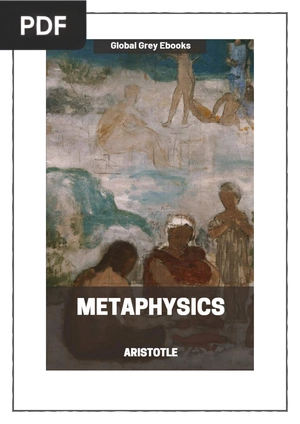
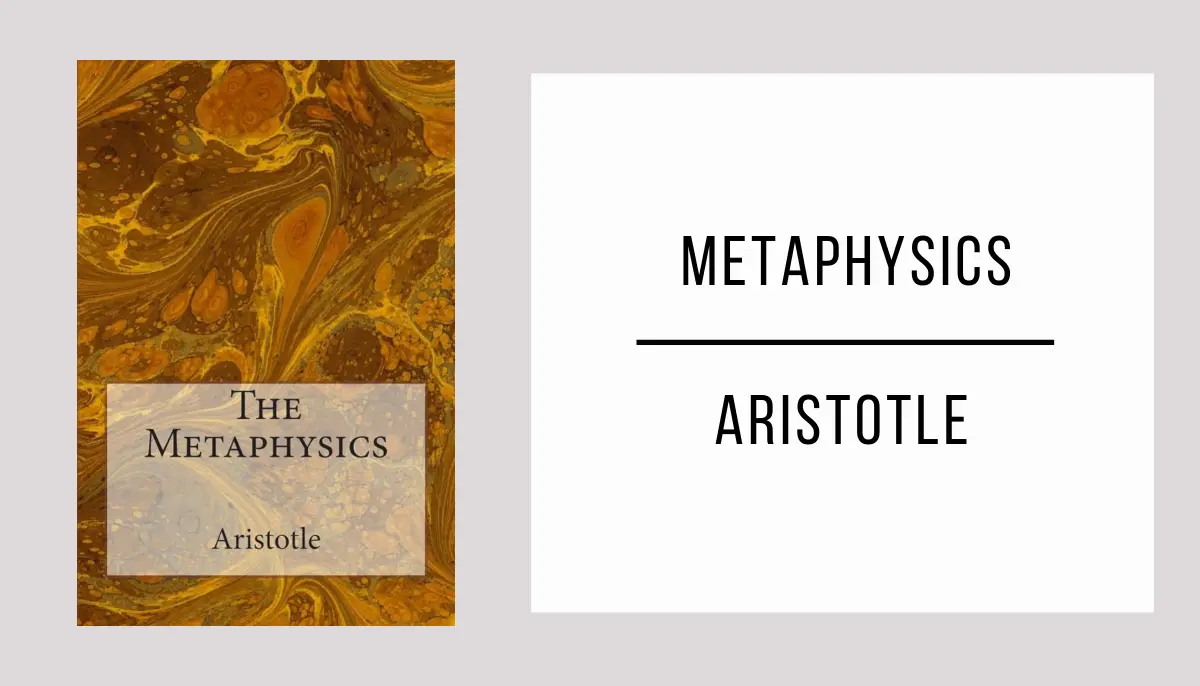
Aristotle's complete Metaphysics in the W. D. Ross translation, covering substance, causation, being, and the foundations of philosophical inquiry across all fourteen books.
A doctoral dissertation from Lund University exploring metaphysics through formal logic and mathematical structures, examining theories of truth, modality, and the relationship between science and metaphysical reasoning.
A comprehensive textbook covering causation, freedom and determinism, laws of nature, personal identity, mental states, time, material objects, and properties.
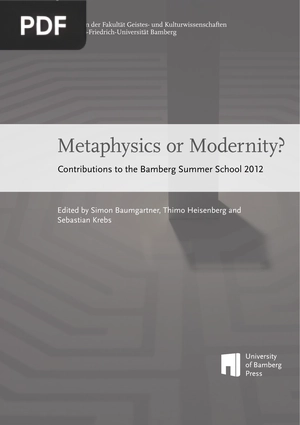
A collection of academic essays exploring the relationship between metaphysics and modernity, featuring diverse contributions from an international philosophy summer school at the University of Bamberg.
Simon Baumgartner, Thimo Heisenberg and Sebastian Krebs
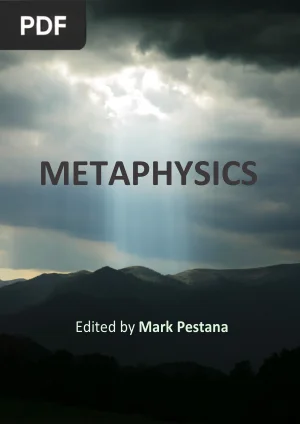
An Open Access academic collection (InTech) with chapters on Parmenides, Aquinas, Whitehead, and reductionism, exploring the metaphysical character of philosophy.
A doctoral dissertation examining the nature of metaphysical laws, the Deductive-Nomological Account of metaphysical explanation, and the relationship between grounding and laws of nature.
Bergson's landmark essay exploring the concept of intuition as a philosophical method, distinguishing between analytical knowledge and direct intuitive understanding of reality.
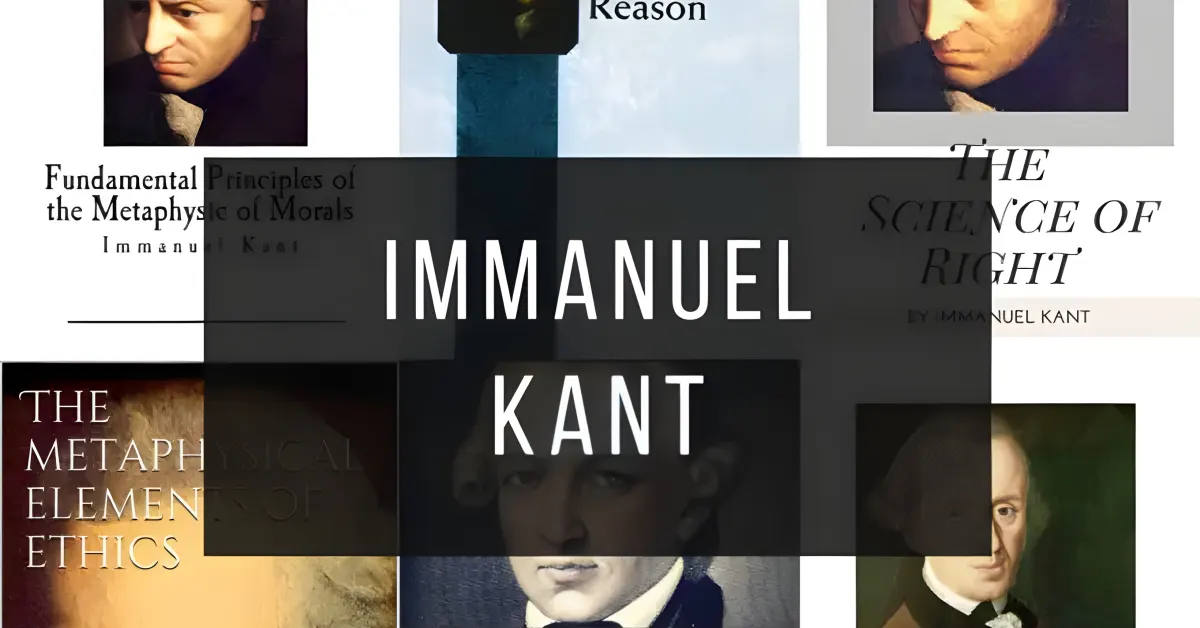
Kant's foundational work on moral philosophy establishing the categorical imperative and the concept of duty, connecting metaphysical principles to ethical reasoning.
A university course guide covering fundamental metaphysical concepts including reality and appearance, substance, the mind-body problem, freedom and determinism, causality, and space-time.
A master's thesis tracing the evolution of metaphysical thought from Plato and Aristotle through Spinoza and Heidegger, examining how different frameworks shape our understanding of nature and existence.
Three interconnected texts by Heidegger spanning twenty years: his 1929 inaugural lecture on the nature of metaphysics, its 1943 Postscript, and the 1949 Introduction examining metaphysical foundations.
Kant's systematic examination of the metaphysical foundations of ethics, covering duties of virtue, moral feeling, conscience, and the relationship between ethical and juridical obligations.
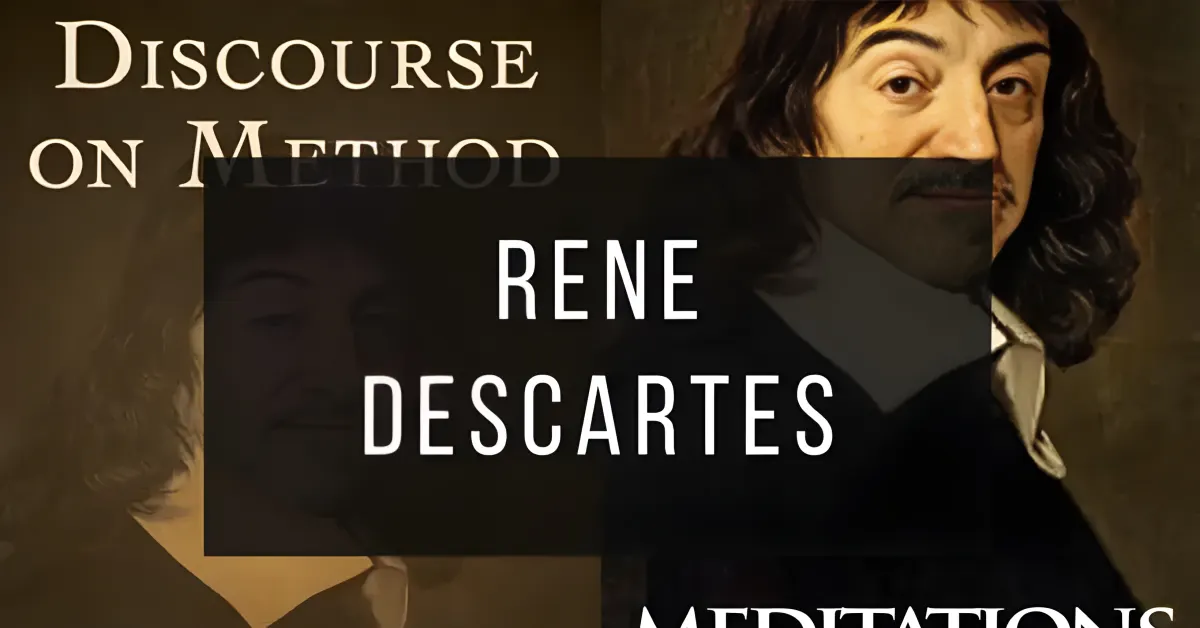
Descartes' foundational work demonstrating the existence of God and the distinction between mind and body, starting from radical doubt and building toward certainty.
Ontology asks the most basic question in philosophy: what exists? These books explore being, substance, and the categories we use to understand reality.
A comprehensive treatise on ontology from the Scholastic tradition covering being, becoming, existence, essence, substance, causality, and final causes. Public domain (1918).
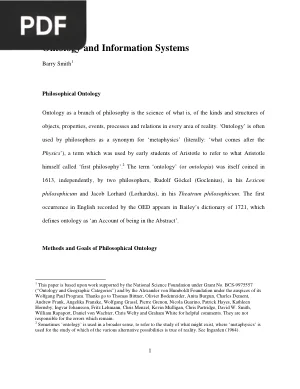
An authoritative overview of philosophical ontology examining categories of being, identity, parts, boundaries, and the science of what exists across every area of reality.
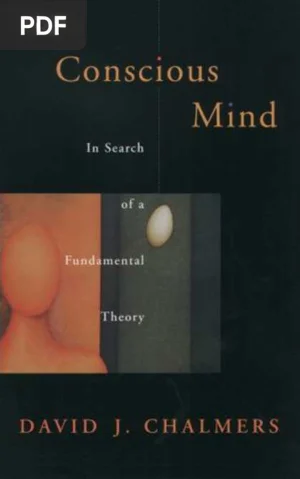
A seminal work on consciousness and the hard problem, exploring the mind-body problem, property dualism, and the fundamental nature of subjective experience.
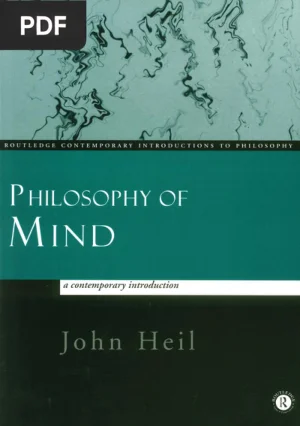
A comprehensive textbook covering Descartes' legacy, behaviorism, functionalism, interpretational theories, eliminativism, and the place of minds in nature.
An open textbook covering substance dualism, materialism, functionalism, qualia, consciousness, and freedom of the will. Licensed under Creative Commons (CC-BY 4.0).
Eran Asoulin, Paul Richard Blum, Tony Cheng et al.
A comprehensive overview of free will debates covering metaphysical, neuroscientific, psychological, and theological perspectives on agency and moral responsibility.
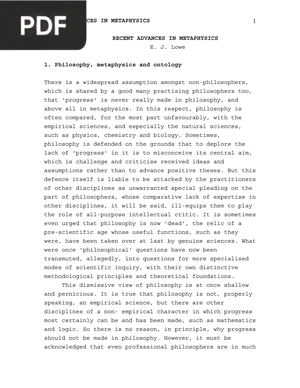
An authoritative overview by E. J. Lowe examining recent progress in metaphysics across ontology, properties, universals, substances, causation, and truth-maker theory.
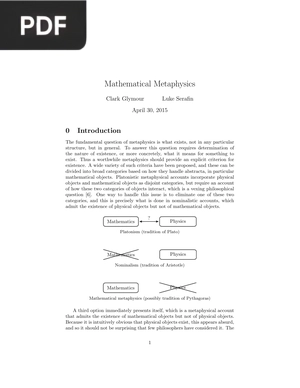
A rigorous paper arguing that all objects, including physical ones, are purely mathematical. Explores alternatives to traditional platonism and nominalism in metaphysics.
An interdisciplinary overview tracing how metaphysical questions about reality have shaped physics, from Aristotle and Ptolemy through Einstein, Bohr, and string theory.
A structured university overview covering the full scope of metaphysical inquiry: properties, universals, time, identity, causation, free will, and the existence of God.
Short reads on specific metaphysical questions. From the limits of science to the nature of cosmic existence, these articles go deep in just a few pages.
A peer-reviewed article examining the mutual dependence between metaphysics and science, covering supervenience, the nature of time, events versus substances, and relational properties.
Explores the metaphysical tension between Being and Becoming in cosmology, from ancient creation myths to modern physics, examining the logical limits of First Cause arguments.
An essay examining Heidegger's evolving relationship with metaphysics, tracing his transition from completing to overcoming the metaphysical tradition and the shift from Being to Ereignis.
Argues that natural sciences lack the means to address fundamental metaphysical questions, defending the need for speculative metaphysics as a distinct discipline.