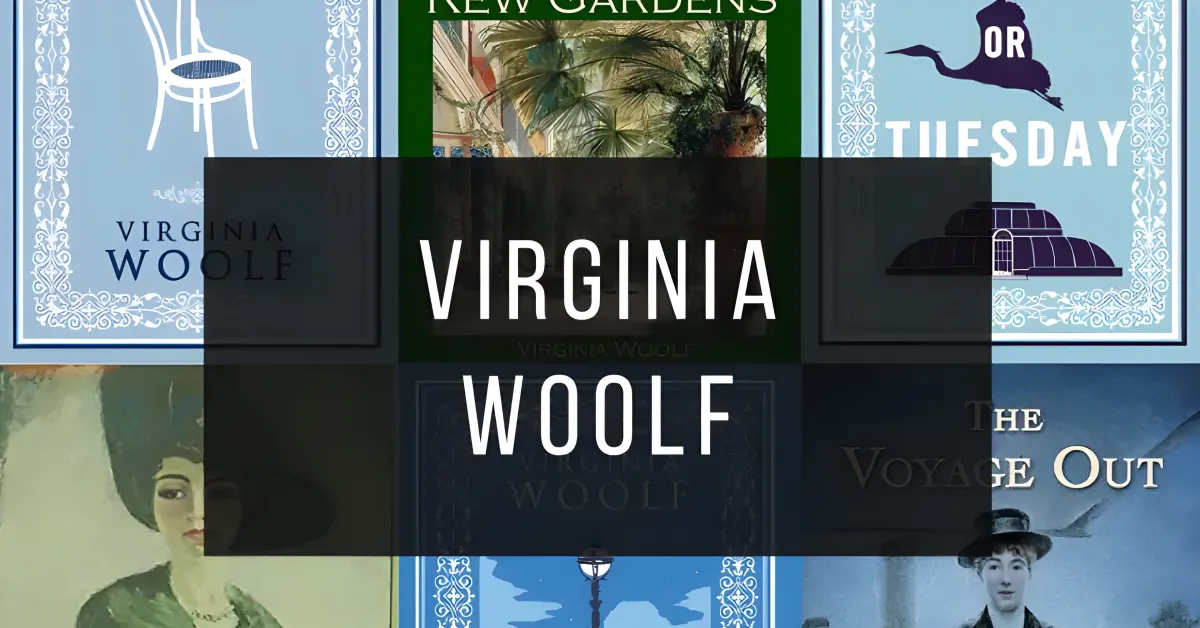
Virginia Woolf reshaped the modern novel. The English writer pioneered stream of consciousness with James Joyce and T. S. Eliot, turning the inner life into the main subject of fiction.
Her work spans early realism, the masterpieces of Mrs. Dalloway and To the Lighthouse, and the feminist essay A Room of One's Own. Born in 1882, Woolf was the central voice of the Bloomsbury Group and a cornerstone of literary modernism.
This collection brings together 13 free Virginia Woolf books in PDF, drawn from public-domain editions. Pick a novel, an essay, or a short story to start.
Novels
Virginia Woolf Novels
Nine novels that span early realism, the masterpieces of the 1920s, and the late experiments of The Waves and Between the Acts. The complete arc of one of the twentieth century's most singular voices.
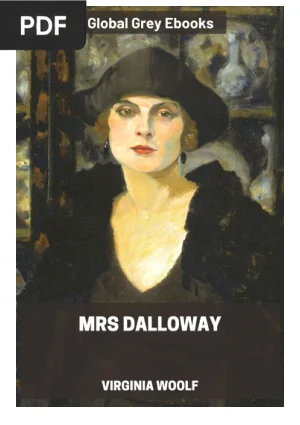
A single June day in post-war London follows Clarissa Dalloway as she prepares for an evening party while the shell-shocked veteran Septimus Smith moves through his own crisis. Stream of consciousness at its peak.
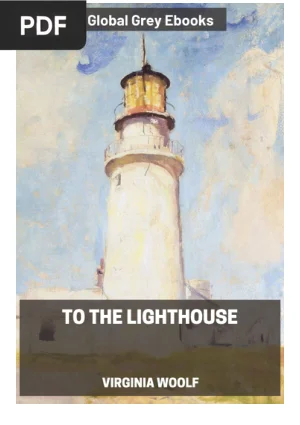
The Ramsay family at their summer house on the Isle of Skye over a decade. Three movements span a single afternoon, the passing of years, and a final return that revisits absence and memory.
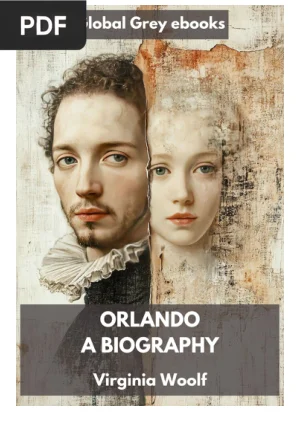
A young Elizabethan nobleman lives across four centuries and changes sex midway through the journey. Woolf's playful biographical fantasy dedicated to Vita Sackville-West.
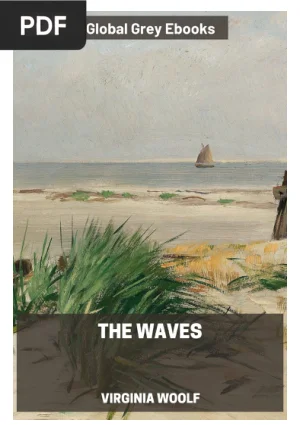
Six characters speak from childhood to age in interleaved soliloquies, framed by italicized seascapes. The most experimental of Woolf's novels and her most musical.
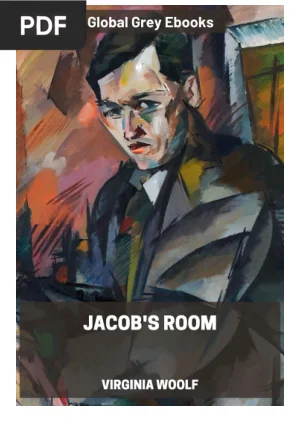
A young man's life pieced together through the rooms he passes through and the people who notice him. The transitional novel where Woolf first lets character form by absence.
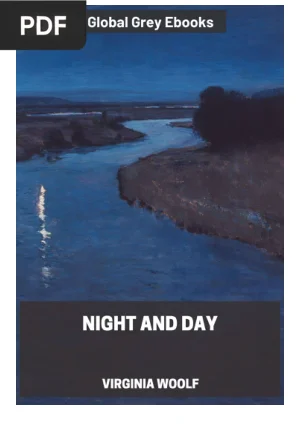
Katharine Hilbery weighs an arranged engagement against a clerk's love in Edwardian London while questioning what a woman owes to her family's literary legacy. Woolf's most realist novel.
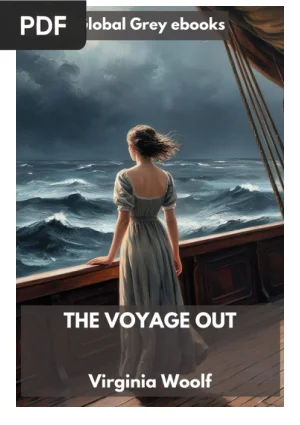
Rachel Vinrace sails to South America with her aunt and uncle and finds herself in love and out of her depth. Woolf's debut novel and the foundation of her later experiments.
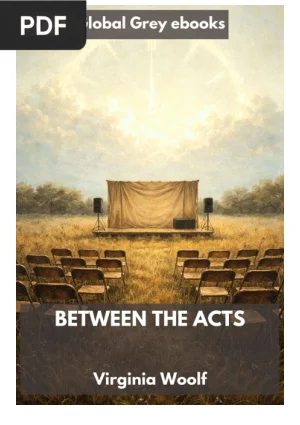
A village pageant unfolds at an English country house on the eve of the Second World War. Woolf's last novel pulls together history, theatre, and private grief in a single afternoon.
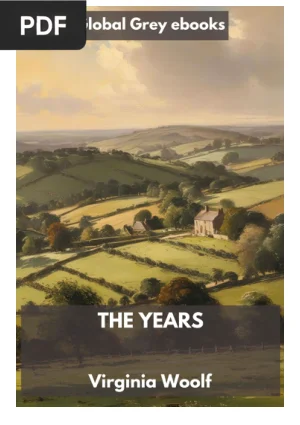
The Pargiter family across half a century, from 1880 to the late 1930s. Woolf's most commercially successful novel during her lifetime, charting how women's lives change with the world around them.
Two essay collections that show Woolf as a critic and as a feminist thinker. Includes the foundational A Room of One's Own and her posthumous literary criticism.
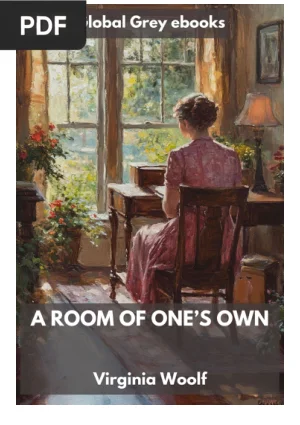
The lecture on women and fiction that became the foundation of feminist literary criticism. A woman needs money and a room of her own if she is to write.
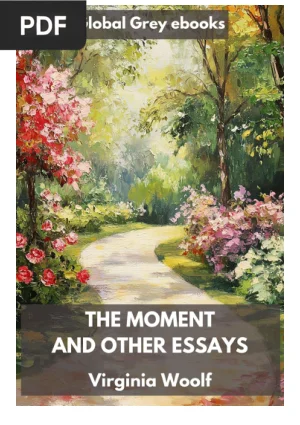
A posthumous collection of literary criticism and short essays edited by Leonard Woolf. Woolf reads Sterne, Scott, Dickens, Lawrence and Carroll while reflecting on the art of fiction itself.
Four pairs of strangers pass a flowerbed in Kew Gardens while a snail navigates leaves and pebbles. The short story where Woolf first tunes her style of consciousness in motion.
Woolf's only short fiction collection published in her lifetime. Eight experimental pieces including A Haunted House, The String Quartet, and The Mark on the Wall.
Send this page to someone who’d love to read it. Everything is free, no sign-up needed.
Esc
Start typing to search...
Searching...
No results found
Try different search terms
Your book is downloading!
If InfoBooks helped you, you can support us in one click: add us as a preferred source on Google. You'll see more of our books when you search, and you'll help us keep sharing free reading with everyone.
Done! Your book is downloading
Know someone who’d enjoy reading it? Send them this page. It’s free, no sign-up needed, and you help us spread the love of reading.