
Cat and Mouse in Partnership by Brothers Grimm [PDF]
by InfoBooks
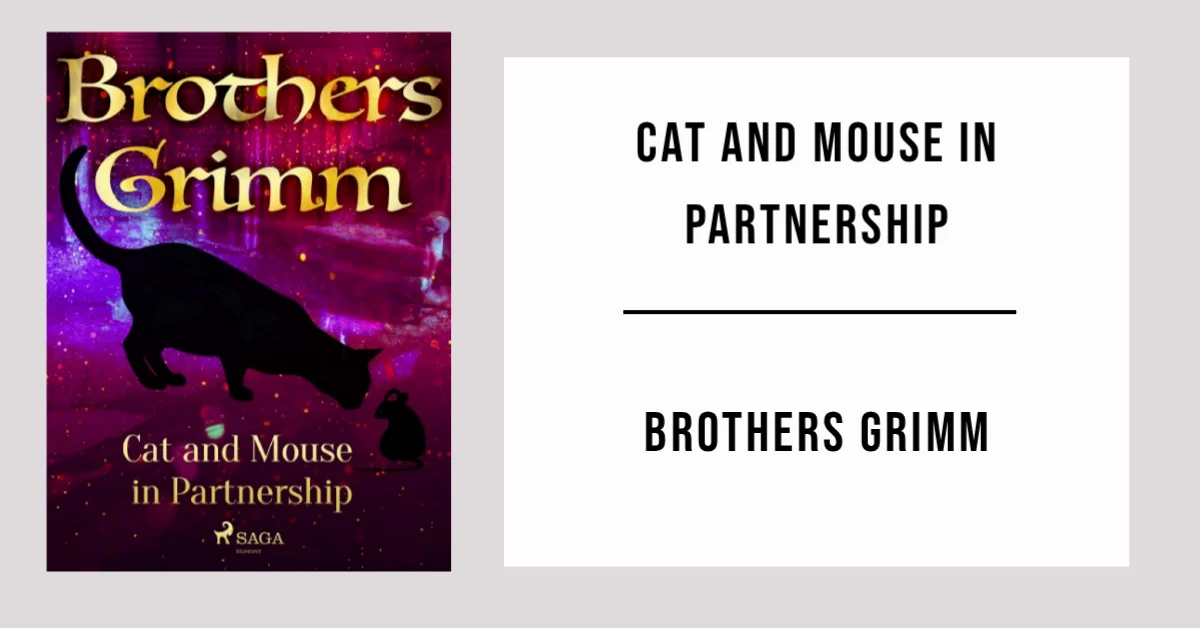
"Cat and Mouse in Partnership" by the Brothers Grimm is one of their earliest and most direct fables. A cat and a mouse agree to share a home and save food for winter, but only one of them keeps the deal. Published as the second tale in their 1812 collection, it reads like a warning wrapped in a children's story.
Download this free PDF and discover why the Brothers Grimm opened their famous collection with stories this sharp. In just a few pages, you get a complete fable about trust, deception, and the cost of ignoring what's right in front of you.
The ending is not gentle. The Grimms never promised gentle. If you want to understand how fairy tales worked before they were softened for modern audiences, start here.
Cat and Mouse in Partnership by Brothers Grimm
*Please wait a few seconds for the document to load, the time may vary depending on your internet connection. If you prefer, you can download the file by clicking the link below.
Loading PDF...
Information: Cat and Mouse in Partnership
- Author: Brothers Grimm
- Publication Date: 1812
- Main Characters:
- The Cat: A cunning and greedy creature who agrees to share a home with the mouse but secretly devours their winter food supply, hiding each theft behind invented stories
- The Mouse: A trusting and naive partner who believes the cat's excuses without question, only realizing the betrayal when it is too late to save itself
- Brief Summary: A cat and a mouse agree to live together and buy a pot of fat to store for winter in a church. The cat, unable to control its appetite, invents excuses to leave home three times, each time secretly eating from the pot. It claims to be attending christenings for kittens named "Top-Off," "Half-Gone," and "All-Gone." When winter comes and the mouse suggests they retrieve their food, the pot is empty. The mouse finally understands the deception, and the cat swallows it whole.
- Thematic Analysis: The tale explores the consequences of misplaced trust and the dangers of ignoring someone's true nature. It also examines greed and self-deception, as the cat disguises its theft behind increasingly absurd lies. The Grimms use the fable form to show that partnerships built on unequal power rarely end well for the weaker party.
- Historical Context: The Brothers Grimm published "Cat and Mouse in Partnership" in the first edition of "Kinder- und Hausmärchen" in 1812, placing it as tale number two. Jacob and Wilhelm Grimm were collecting oral German folk traditions during the Napoleonic era, a period of cultural upheaval that motivated their preservation of national folklore. The tale draws on older European fable traditions about deceptive animal partnerships.
Books by Brothers Grimm
Cinderella by Brothers Grimm
Hans in Luck by Brothers Grimm
Hansel and Gretel by Brothers Grimm
Jorinde and Joringel by Brothers Grimm
Little Red Riding Hood by Brothers Grimm
Mother Hulda by Brothers Grimm
Old Sultan by Brothers Grimm
Rapunzel by Brothers Grimm
Rumpelstiltskin by Brothers Grimm
Sweetheart Roland by Brothers Grimm
The Dog and the Sparrow by Brothers Grimm
The Elves by Brothers Grimm
The Fisherman and His Wife by Brothers Grimm
The Frog Prince by Brothers Grimm
The Gallant Tailor by Brothers Grimm
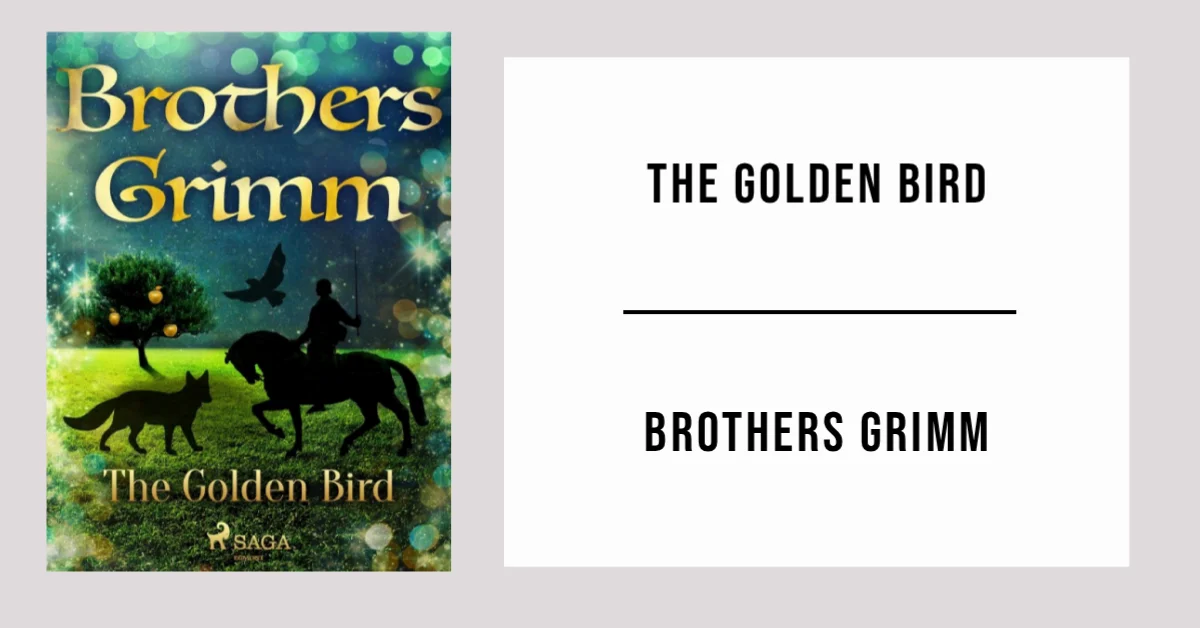
The Golden Bird by Brothers Grimm
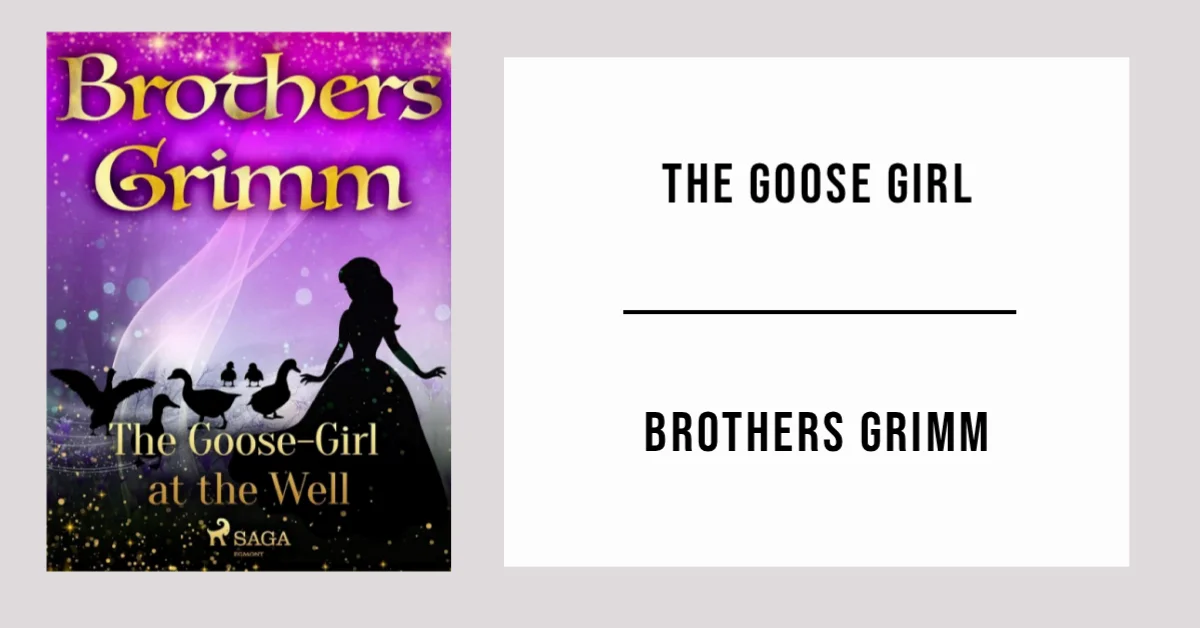
The Goose Girl by Brothers Grimm
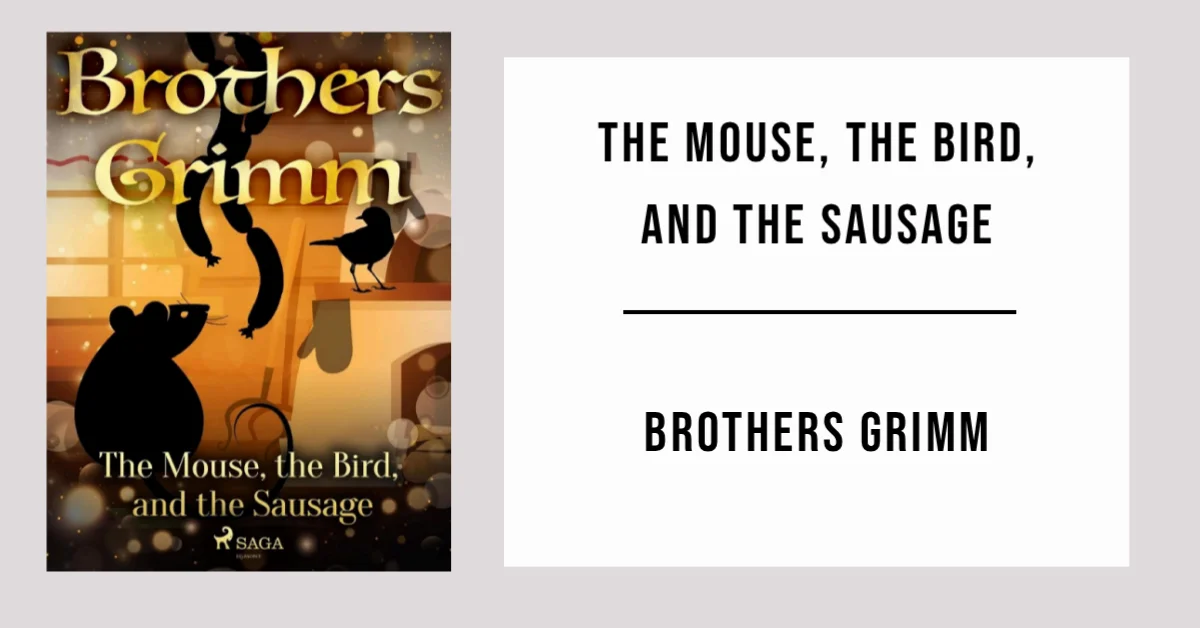
The Mouse, the Bird, and the Sausage by Brothers Grimm
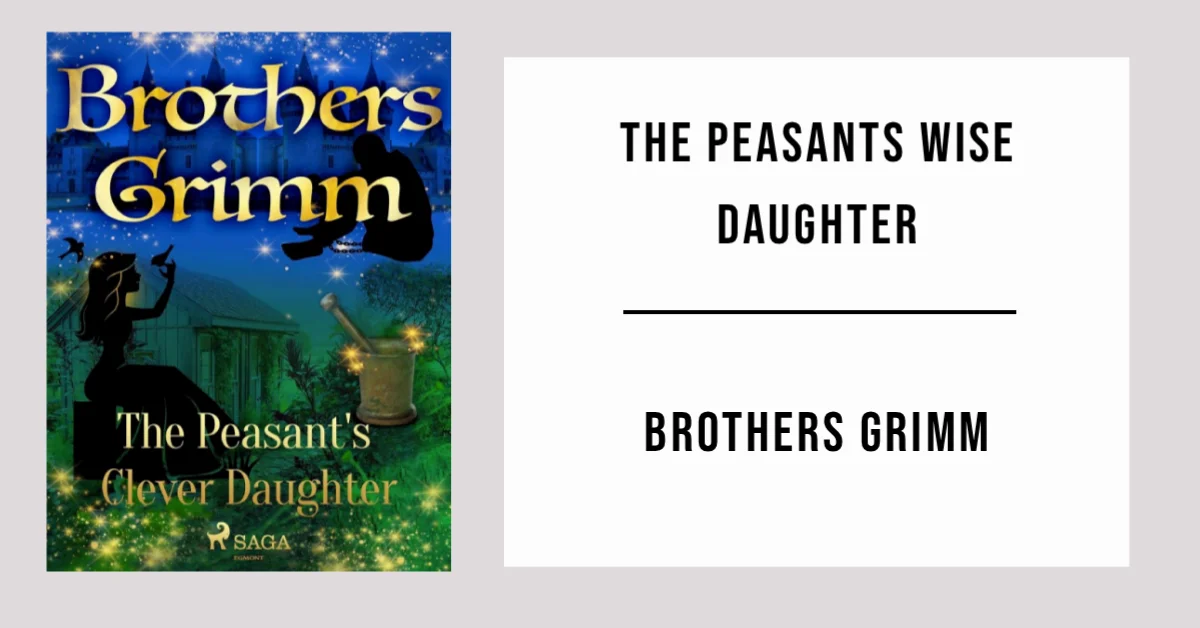
The Peasants Wise Daughter by Brothers Grimm
The Pink by Brothers Grimm
The Queen Bee by Brothers Grimm
The Robber Bridegroom by Brothers Grimm
The Shoes That Were Danced to Pieces by Brothers Grimm
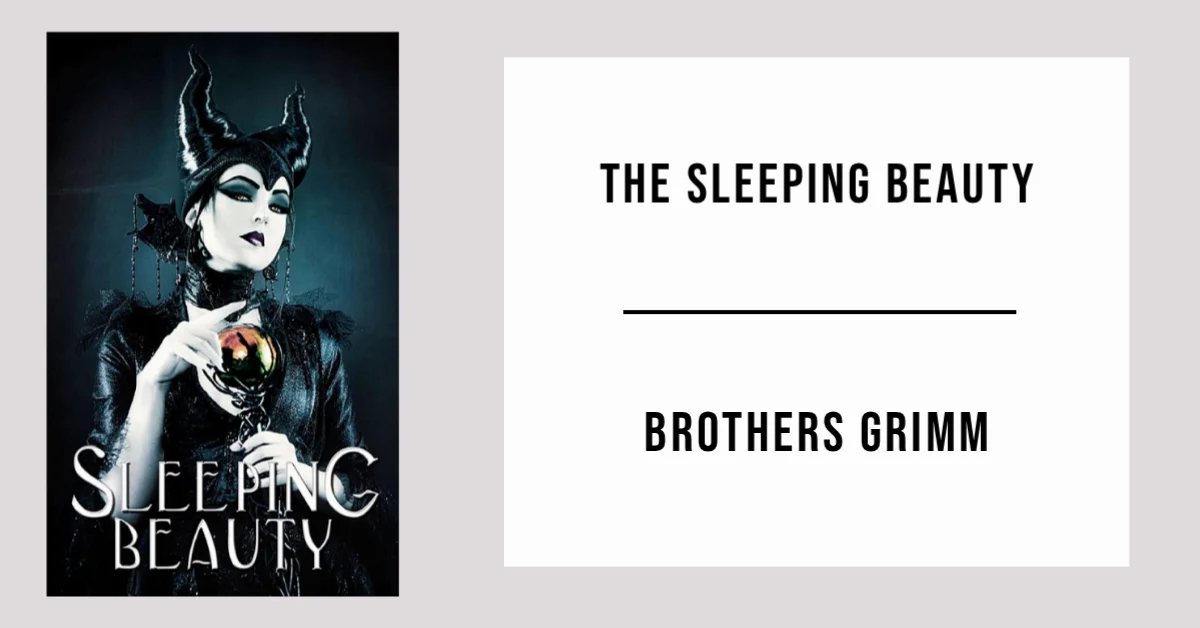
The Sleeping Beauty by Brothers Grimm
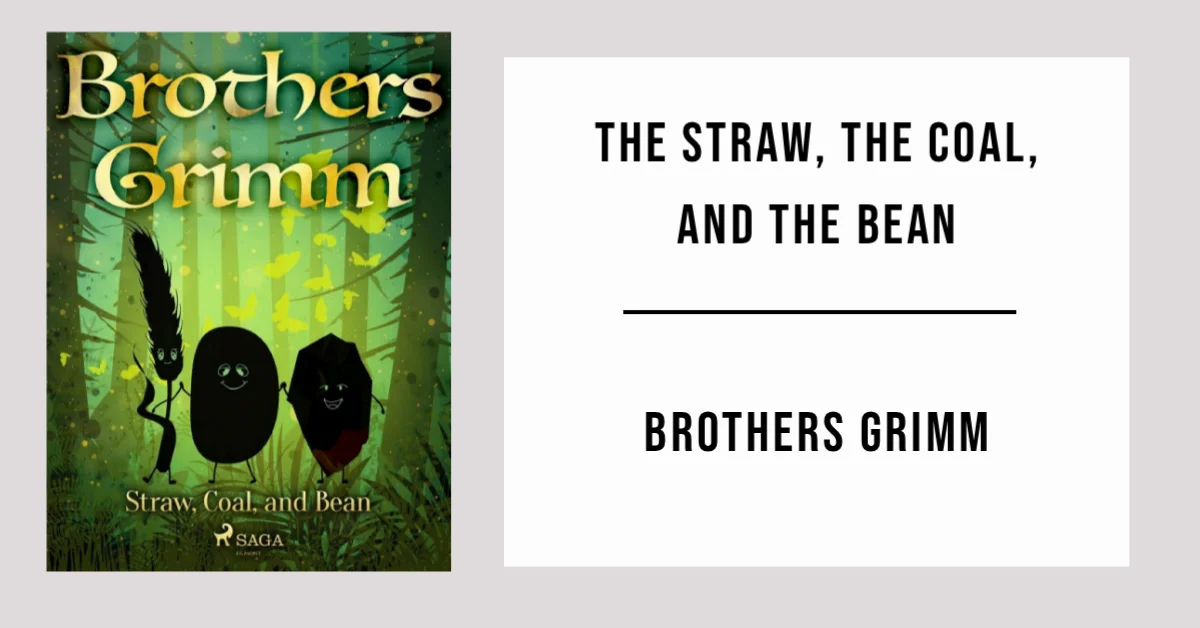
The Straw, the Coal, and the Bean by Brothers Grimm
The Turnip by Brothers Grimm
Tom Thumb by Brothers Grimm
White Snake by Brothers Grimm