
Cinderella by Brothers Grimm [PDF]
by InfoBooks
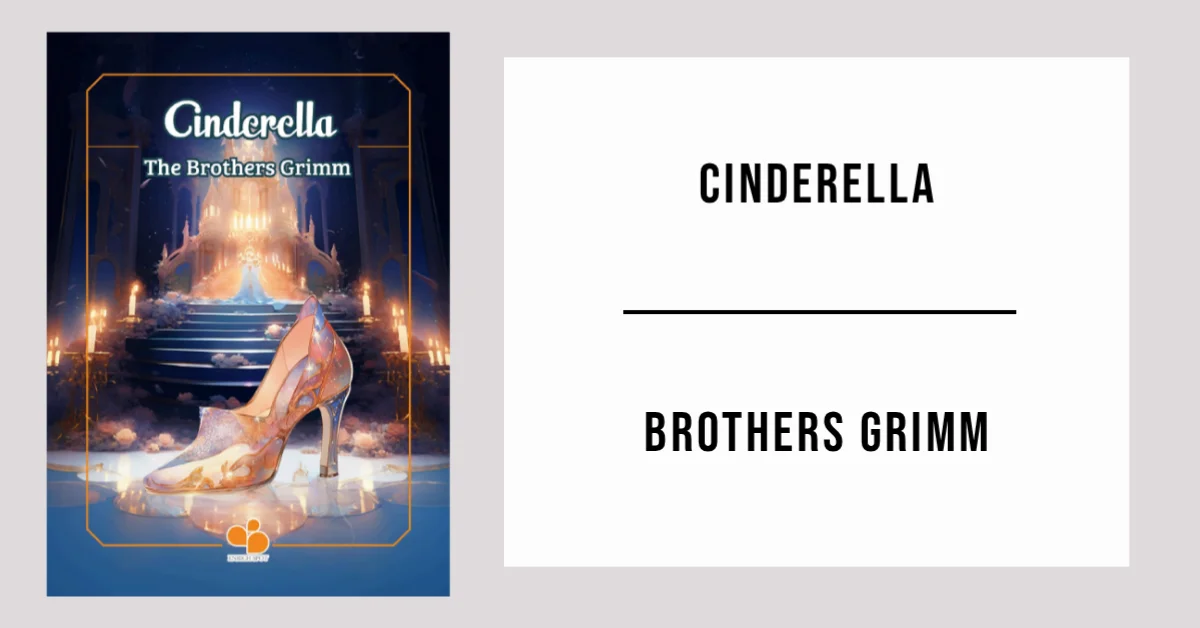
"Cinderella" by the Brothers Grimm is the version of this classic tale that most modern adaptations leave out. Published in 1812 as part of their folklore collection, it trades fairy godmothers for hazel trees and glass slippers for gold ones. The result is a story with sharper edges and deeper roots.
Download the free PDF of "Cinderella" and discover the Grimm brothers' original telling, where birds do the magic and justice is not gentle. This is the fairy tale before it was softened for the screen, and it reads like a story meant for adults as much as children.
A girl, a tree, a golden slipper, and a festival that changes everything. The Brothers Grimm told this story the way they heard it: with wonder, with cruelty, and without apology.
Cinderella by Brothers Grimm
*Please wait a few seconds for the document to load, the time may vary depending on your internet connection. If you prefer, you can download the file by clicking the link below.
Loading PDF...
Information: Cinderella
- Author: Brothers Grimm
- Publication Date: 1812
- Main Characters:
- Cinderella (Aschenputtel): A kind and devoted girl who endures her stepfamily's cruelty while secretly receiving help from birds and the hazel tree on her mother's grave
- The Stepmother: A cold woman who favors her own two daughters and forces Cinderella into servitude after marrying her father
- The Prince: The king's son who falls for Cinderella at the festival and searches the kingdom with her golden slipper to find her
- The Two Stepsisters: Vain and cruel sisters who mock Cinderella and mutilate their own feet trying to fit the golden slipper
- Brief Summary: After her mother dies, a young girl is mistreated by her new stepmother and two stepsisters, who force her to sleep by the hearth and do all the household work. She plants a hazel twig on her mother's grave that grows into a tree where a white bird grants her wishes. When the king holds a three-day festival for his son to find a bride, the bird provides her with golden dresses and slippers. The prince falls in love with her, but the stepsisters try to trick him by cutting off parts of their own feet to fit the slipper. The pigeons reveal each deception, and Cinderella is recognized as the true bride.
- Thematic Analysis: The tale explores themes of grief, resilience, and the belief that goodness will eventually be recognized and rewarded. It contrasts natural, earned grace with vanity and deceit. The Grimm version also carries a thread of retributive justice that later adaptations deliberately removed, making it a story as much about consequences as about transformation.
- Historical Context: The Brothers Grimm published "Cinderella" (originally "Aschenputtel") in their 1812 collection "Kinder- und Hausmärchen" (Children's and Household Tales). They gathered this version from oral storytelling traditions in the Hesse region of Germany. The tale predates their collection by centuries, with variants found in ancient Greek, Chinese, and Egyptian sources.
Books by Brothers Grimm
Cat and Mouse in Partnership by Brothers Grimm
Hans in Luck by Brothers Grimm
Hansel and Gretel by Brothers Grimm
Jorinde and Joringel by Brothers Grimm
Little Red Riding Hood by Brothers Grimm
Mother Hulda by Brothers Grimm
Old Sultan by Brothers Grimm
Rapunzel by Brothers Grimm
Rumpelstiltskin by Brothers Grimm
Sweetheart Roland by Brothers Grimm
The Dog and the Sparrow by Brothers Grimm
The Elves by Brothers Grimm
The Fisherman and His Wife by Brothers Grimm
The Frog Prince by Brothers Grimm
The Gallant Tailor by Brothers Grimm
The Golden Bird by Brothers Grimm
The Goose Girl by Brothers Grimm
The Mouse, the Bird, and the Sausage by Brothers Grimm
The Peasants Wise Daughter by Brothers Grimm
The Pink by Brothers Grimm
The Queen Bee by Brothers Grimm
The Robber Bridegroom by Brothers Grimm
The Shoes That Were Danced to Pieces by Brothers Grimm
The Sleeping Beauty by Brothers Grimm
The Straw, the Coal, and the Bean by Brothers Grimm
The Turnip by Brothers Grimm
Tom Thumb by Brothers Grimm
White Snake by Brothers Grimm