
Fantasia of the Unconscious by D.H. Lawrence [PDF]
by InfoBooks
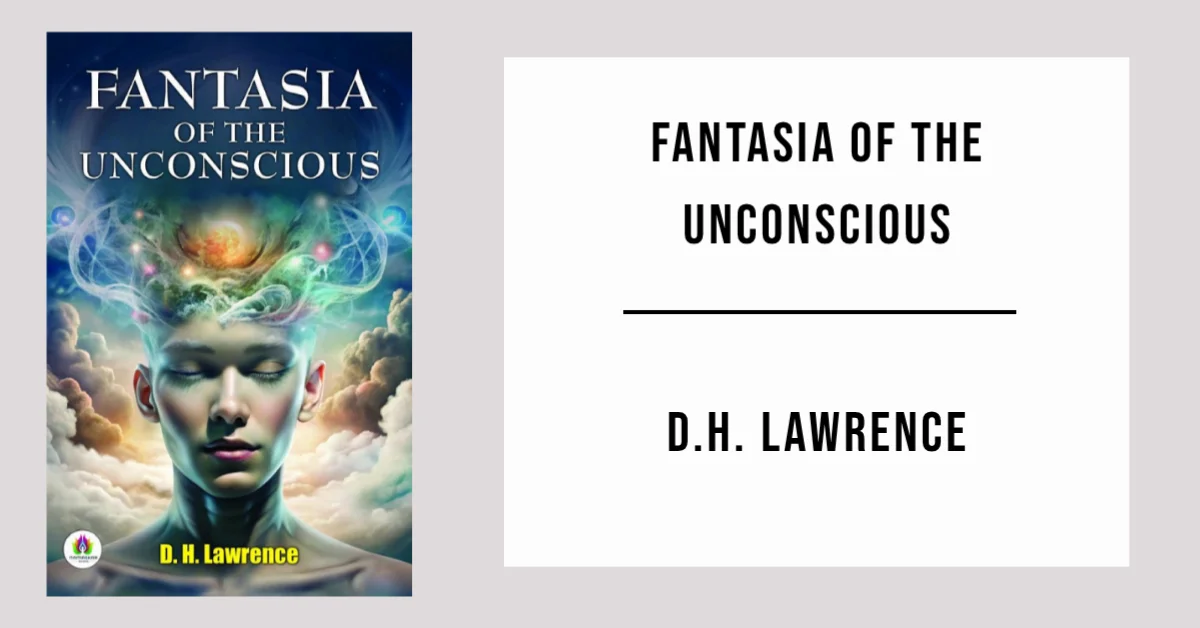
D.H. Lawrence is best known for his novels, but Fantasia of the Unconscious reveals a completely different side of his genius. Published in 1922, this philosophical work tackles the relationship between the body and the mind with fierce originality. Lawrence argues that consciousness does not begin in the brain but in the body's deepest nerve centers, an idea that still challenges mainstream thinking.
This free PDF gives you access to one of the most daring works of early 20th-century thought. Lawrence dismantles conventional ideas about education, sexuality, and self-knowledge with a directness that feels strikingly modern. If you are interested in understanding human instinct beyond what traditional psychology offers, this book delivers exactly that.
Few people know this book, but those who discover it often find it transforms the way they think about consciousness and the body. Whether you come from a background in psychology, philosophy, or simply love Lawrence's writing, Fantasia of the Unconscious will give you plenty to wrestle with and reflect on.
Fantasia of the Unconscious by D.H. Lawrence
*Please wait a few seconds for the document to load, the time may vary depending on your internet connection. If you prefer, you can download the file by clicking the link below.
Loading PDF...
Information: Fantasia of the Unconscious
- Author: D.H. Lawrence
- Publication Date: 1922
- Main Characters:
- The Unconscious: Lawrence's central concept: the deep bodily awareness that precedes and surpasses intellectual thought, located in the body's nerve centers rather than the brain.
- The Solar Plexus: Identified by Lawrence as the primary seat of individual consciousness and will, the first center of independent selfhood in a child.
- The Cardiac Plexus: The nerve center Lawrence associates with sympathetic connection, love, and emotional openness toward others.
- Idealism and Mental Consciousness: Lawrence's term for the overreliance on intellectual abstraction that he believes has corrupted education, relationships, and modern civilization.
- Polarity of Being: The dynamic tension between sympathetic and voluntary modes of consciousness that Lawrence considers essential for healthy human development.
- Brief Summary: Fantasia of the Unconscious presents D.H. Lawrence's theory that human consciousness originates not in the brain but in the body's great nerve plexuses, particularly the solar plexus and the cardiac plexus. Lawrence critiques modern education for forcing children into intellectual development at the expense of instinctual growth. He outlines a vision of human development where feeling, will, and bodily awareness take precedence over abstract reasoning. The book also examines relationships between men and women, arguing that genuine connection depends on respecting each person's autonomous center of being. Throughout, Lawrence rejects Freudian psychoanalysis as too cerebral and proposes an alternative rooted in physical and emotional reality.
- Thematic Analysis: The central theme is the conflict between instinct and intellect: Lawrence insists that Western civilization has dangerously prioritized mental knowledge over bodily awareness. Education and child-rearing are examined as systems that suppress natural development, forcing conformity instead of nurturing individual vitality. The dynamics of power and autonomy in relationships, particularly between parents and children and between men and women, run through the entire work.
- Historical Context: Published in 1922 by Martin Secker in London, Fantasia of the Unconscious was written during a period of intense intellectual upheaval following World War I. Freudian psychoanalysis was gaining enormous influence across Europe, and Lawrence wrote this book partly as a direct counter-argument to what he saw as Freud's overly cerebral approach. Lawrence composed much of the work while living in Sicily and traveling through Europe, drawing on his own experiences of displacement and his growing disillusionment with industrial modernity.
Books by D.H. Lawrence

Aaron's Rod by D.H. Lawrence

Amores by D.H. Lawrence

England, My England by D.H. Lawrence

Lady Chatterley’s Lover by D. H. Lawrence

Look! We Have Come Through! by D.H. Lawrence
Sons and Lovers by D. H. Lawrence

St Mawr by D.H. Lawrence
The Captain's Doll by D.H. Lawrence

The Fox by D.H. Lawrence
The Ladybird by D.H. Lawrence

The Lost Girl by D.H. Lawrence

The Rainbow by D.H. Lawrence

The White Peacock by D.H. Lawrence

Women in Love by D.H. Lawrence