
Hans in Luck by Brothers Grimm [PDF]
by InfoBooks
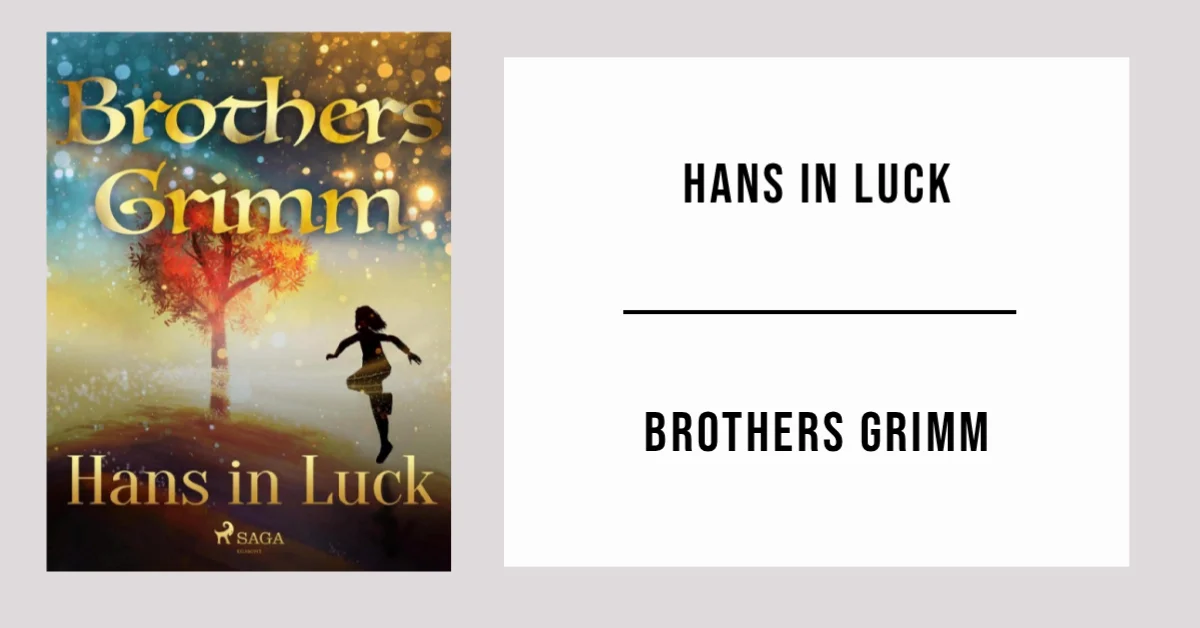
"Hans in Luck" by the Brothers Grimm is a deceptively simple fairy tale about a young man who trades away everything he owns, one swap at a time, and somehow ends up happier for it. Published in 1819, this short story has puzzled and charmed readers for over two hundred years because it refuses to punish its hero for being "foolish."
Download your free PDF of "Hans in Luck" and discover a story that fits in a single sitting but sticks with you much longer. Every trade Hans makes peels away another layer of what we think we need, until nothing is left but contentment.
A lump of silver, a horse, a cow, a pig, a goose, a grindstone, and then nothing at all. Follow Hans down his road and see if you can figure out where the luck really is.
Hans in Luck by Brothers Grimm
*Please wait a few seconds for the document to load, the time may vary depending on your internet connection. If you prefer, you can download the file by clicking the link below.
Loading PDF...
Information: Hans in Luck
- Author: Brothers Grimm
- Publication Date: 1819
- Main Characters:
- Hans: A young servant who has worked seven years for his master. Cheerful and easily convinced, he trades away his wages through a chain of swaps and ends the story with nothing but total happiness.
- The Horseman: The first person Hans meets on the road. He trades his horse for Hans's heavy lump of silver, setting the chain of exchanges in motion.
- The Shepherd: A farmer with a cow who trades it to Hans for the horse, convincing him a cow is far more practical for daily life.
- The Butcher: Trades his pig for Hans's cow, warning that the cow might be stolen property and persuading Hans that a pig is a safer bet.
- The Scissor-Grinder: The final trader, who exchanges a common grindstone for Hans's goose, promising that grinding scissors is the path to endless coins.
- Brief Summary: After serving his master faithfully for seven years, Hans receives a large lump of silver as payment and sets off for home. Along the way, he meets a series of travelers and trades his silver for a horse, the horse for a cow, the cow for a pig, the pig for a goose, and the goose for a grindstone. Each time, Hans believes he has made a brilliant deal because he solves his immediate discomfort. When the heavy grindstone falls into a well, Hans rejoices at being free of all burdens and arrives home with nothing but pure happiness.
- Thematic Analysis: The tale explores the tension between material wealth and personal contentment. Hans represents a radical form of happiness that does not depend on accumulating possessions, raising the question of whether his trades are foolish or deeply wise. The Grimms also weave in themes of labor, freedom, and the social pressure to value things over peace of mind.
- Historical Context: "Hans in Luck" was included in the second edition of the Brothers Grimm's *Kinder- und Hausmarchen* in 1819, drawing on a version by Friedrich August Wernicke published in 1818. Jacob and Wilhelm Grimm were part of a broader Romantic-era movement to preserve Germanic folk traditions, and this tale, classified as ATU 1415 in the Aarne-Thompson-Uther Index, belongs to a long European tradition of "foolish bargain" stories.
Books by Brothers Grimm
Cat and Mouse in Partnership by Brothers Grimm
Cinderella by Brothers Grimm
Hansel and Gretel by Brothers Grimm
Jorinde and Joringel by Brothers Grimm
Little Red Riding Hood by Brothers Grimm
Mother Hulda by Brothers Grimm
Old Sultan by Brothers Grimm
Rapunzel by Brothers Grimm
Rumpelstiltskin by Brothers Grimm
Sweetheart Roland by Brothers Grimm
The Dog and the Sparrow by Brothers Grimm
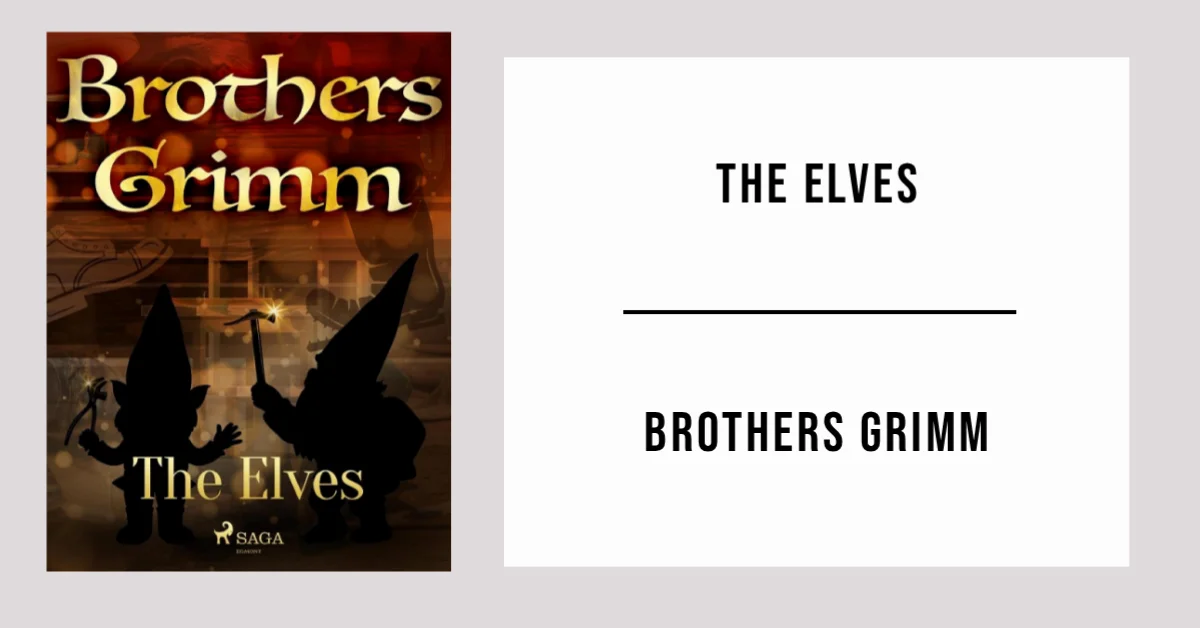
The Elves by Brothers Grimm
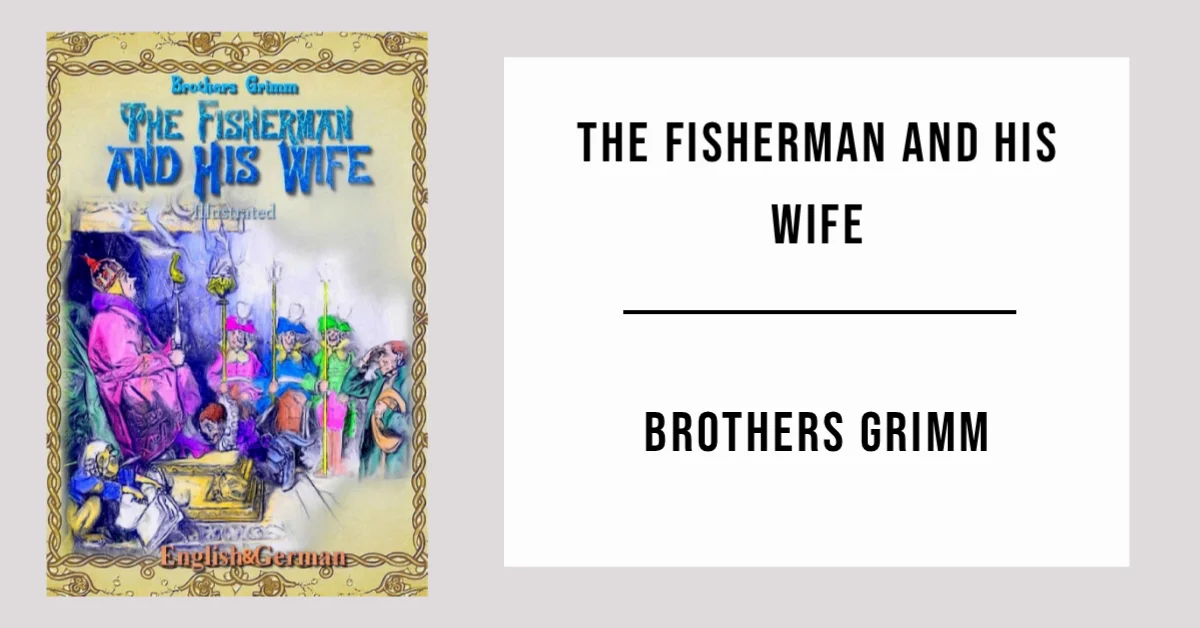
The Fisherman and His Wife by Brothers Grimm
The Frog Prince by Brothers Grimm
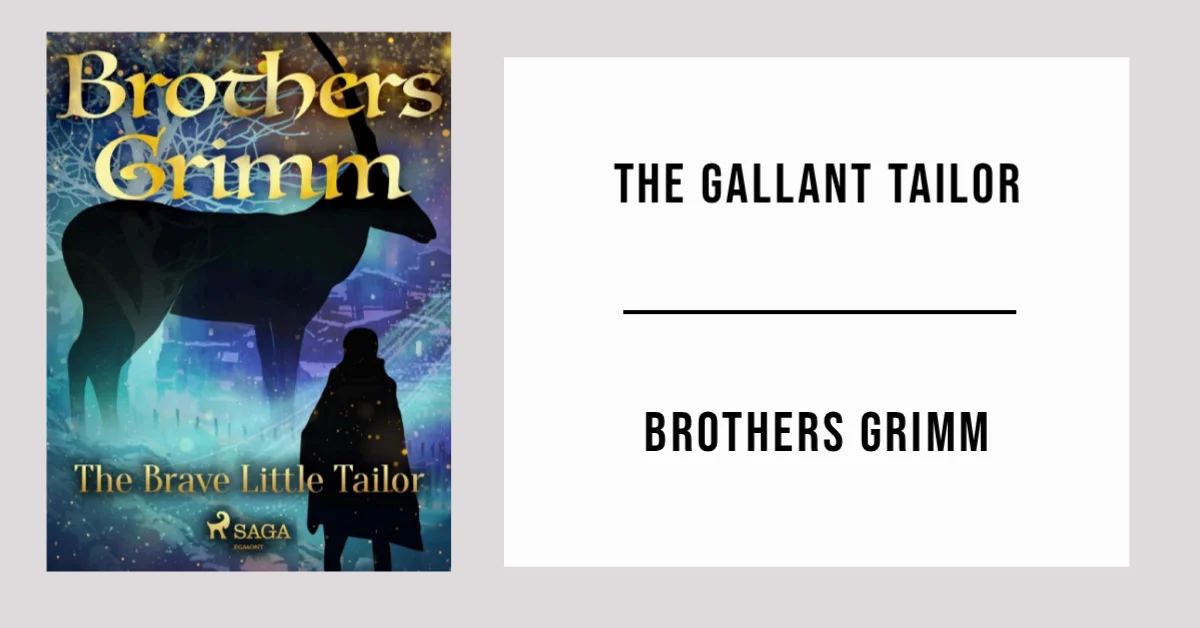
The Gallant Tailor by Brothers Grimm
The Golden Bird by Brothers Grimm
The Goose Girl by Brothers Grimm
The Mouse, the Bird, and the Sausage by Brothers Grimm
The Peasants Wise Daughter by Brothers Grimm
The Pink by Brothers Grimm
The Queen Bee by Brothers Grimm
The Robber Bridegroom by Brothers Grimm
The Shoes That Were Danced to Pieces by Brothers Grimm
The Sleeping Beauty by Brothers Grimm
The Straw, the Coal, and the Bean by Brothers Grimm
The Turnip by Brothers Grimm
Tom Thumb by Brothers Grimm
White Snake by Brothers Grimm