
Little Red Riding Hood by Brothers Grimm [PDF]
by InfoBooks
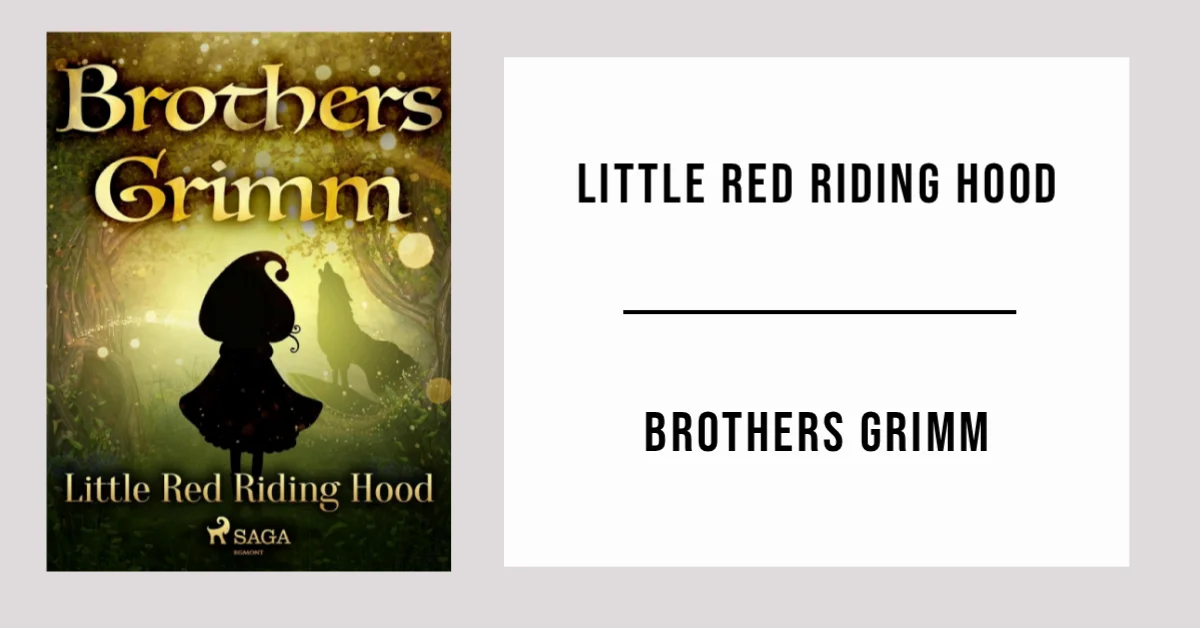
The Brothers Grimm gave the world dozens of fairy tales, but few have endured quite like Little Red Riding Hood. First collected in 1812, this story has been translated into virtually every language and adapted into countless forms. It is a tale that seems simple on the surface, yet reveals layers of meaning the closer you look.
Here you can download a free PDF of Little Red Riding Hood by the Brothers Grimm. Reading the original version is a different experience from the sanitized retellings most of us grew up with. The Grimms wrote with a directness that still catches modern readers off guard.
Whether you are revisiting this classic for personal enjoyment or studying it for its literary and cultural significance, the original text offers something new each time. A story this old does not survive by accident. It survives because it speaks to something real.
Little Red Riding Hood by Brothers Grimm
*Please wait a few seconds for the document to load, the time may vary depending on your internet connection. If you prefer, you can download the file by clicking the link below.
Loading PDF...
Information: Little Red Riding Hood
- Author: Brothers Grimm
- Publication Date: 1812
- Main Characters:
- Little Red Riding Hood: A young girl known for the red hood she always wears. She is obedient to her mother but naive when confronted by the wolf in the forest.
- The Wolf: A cunning predator who deceives Little Red Riding Hood and her grandmother. He represents danger disguised behind charm and false familiarity.
- The Grandmother: Little Red Riding Hood's elderly and ailing relative who lives alone in the forest. She becomes the wolf's first victim.
- The Huntsman: A woodsman who discovers the wolf sleeping after his meal and cuts him open, rescuing both the grandmother and Little Red Riding Hood.
- Brief Summary: Little Red Riding Hood tells the story of a young girl who is sent through the forest to visit her sick grandmother. A wolf intercepts her, learns her destination, and races ahead to the grandmother's house. The wolf devours the grandmother, disguises himself in her clothing, and waits for the girl. When Little Red Riding Hood arrives, the famous exchange of observations leads to her being swallowed as well. In the Grimm version, a passing huntsman cuts the wolf open, freeing both the girl and her grandmother alive.
- Thematic Analysis: At its core, the tale explores the tension between innocence and danger, trust and deception. The wolf represents threats that exploit naivety, while the forest itself symbolizes the unknown territory between childhood safety and the wider world. The story also carries a clear moral about the consequences of straying from the path and speaking to strangers.
- Historical Context: The Brothers Grimm, Jacob and Wilhelm, published Little Red Riding Hood in their first edition of Children's and Household Tales in 1812. They adapted it from oral traditions and earlier literary versions, most notably Charles Perrault's 1697 French telling. The Grimms softened some elements and added the huntsman rescue, reflecting their aim to create tales suitable for a growing middle-class readership in early 19th-century Germany.
Books by Brothers Grimm
Cat and Mouse in Partnership by Brothers Grimm
Cinderella by Brothers Grimm
Hans in Luck by Brothers Grimm
Hansel and Gretel by Brothers Grimm
Jorinde and Joringel by Brothers Grimm
Mother Hulda by Brothers Grimm
Old Sultan by Brothers Grimm
Rapunzel by Brothers Grimm
Rumpelstiltskin by Brothers Grimm
Sweetheart Roland by Brothers Grimm
The Dog and the Sparrow by Brothers Grimm
The Elves by Brothers Grimm
The Fisherman and His Wife by Brothers Grimm
The Frog Prince by Brothers Grimm
The Gallant Tailor by Brothers Grimm
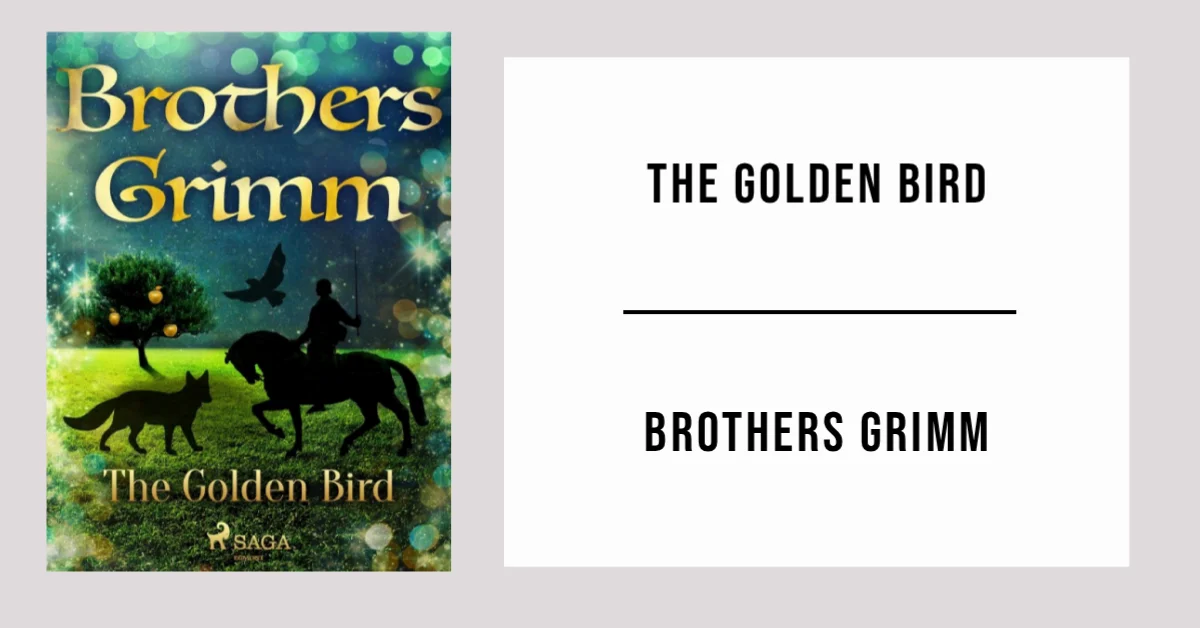
The Golden Bird by Brothers Grimm
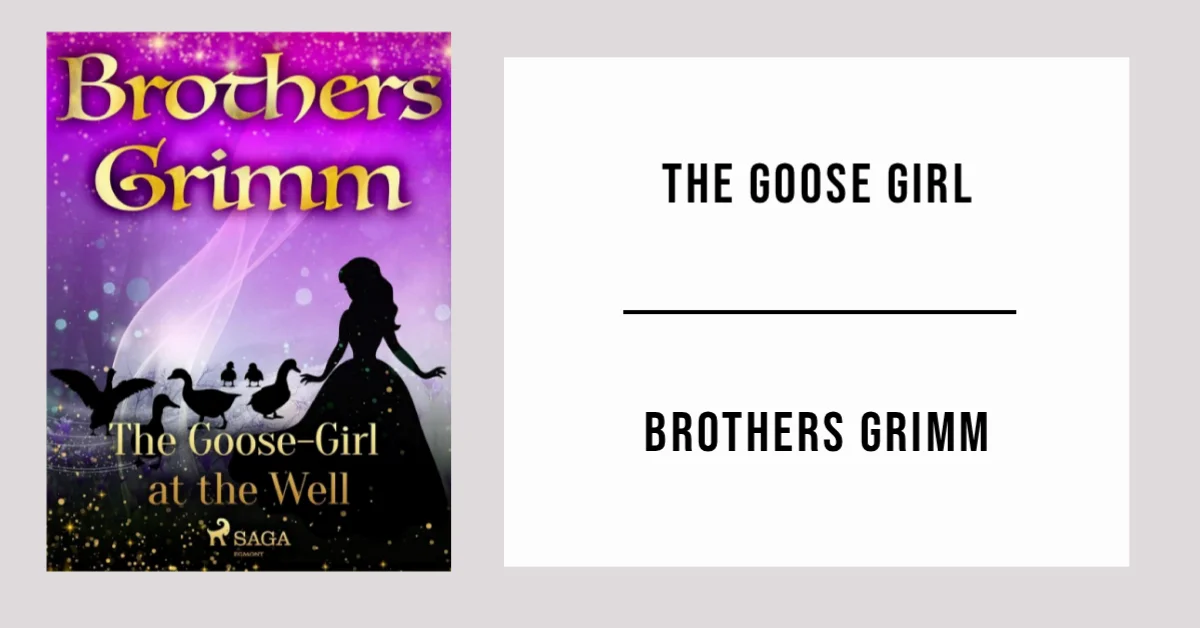
The Goose Girl by Brothers Grimm
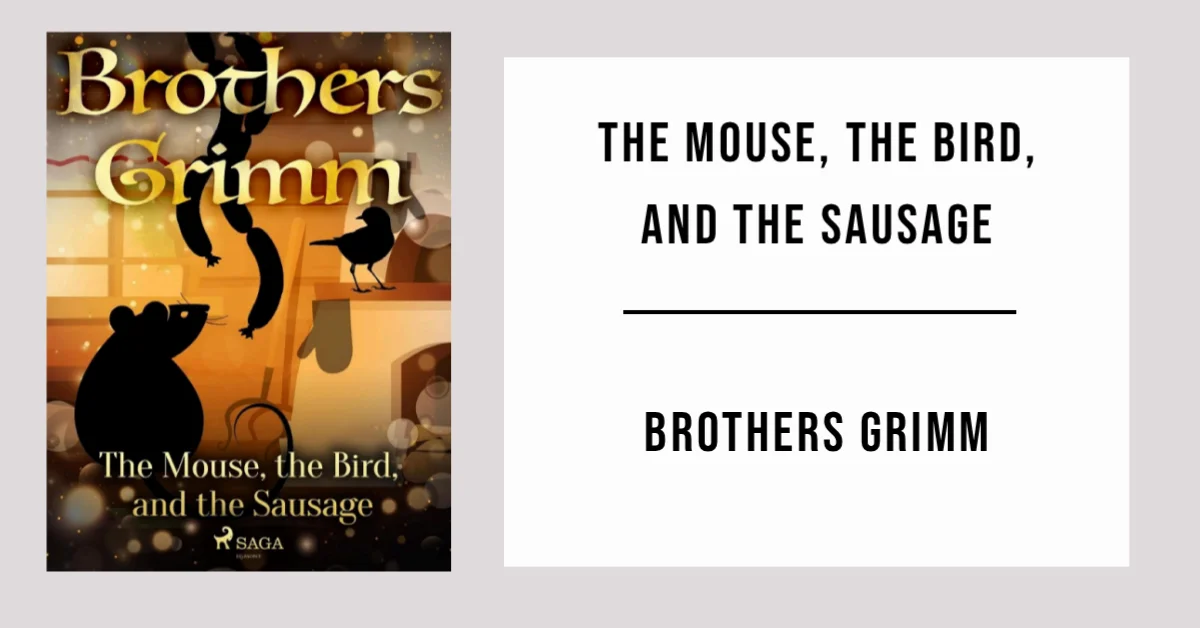
The Mouse, the Bird, and the Sausage by Brothers Grimm
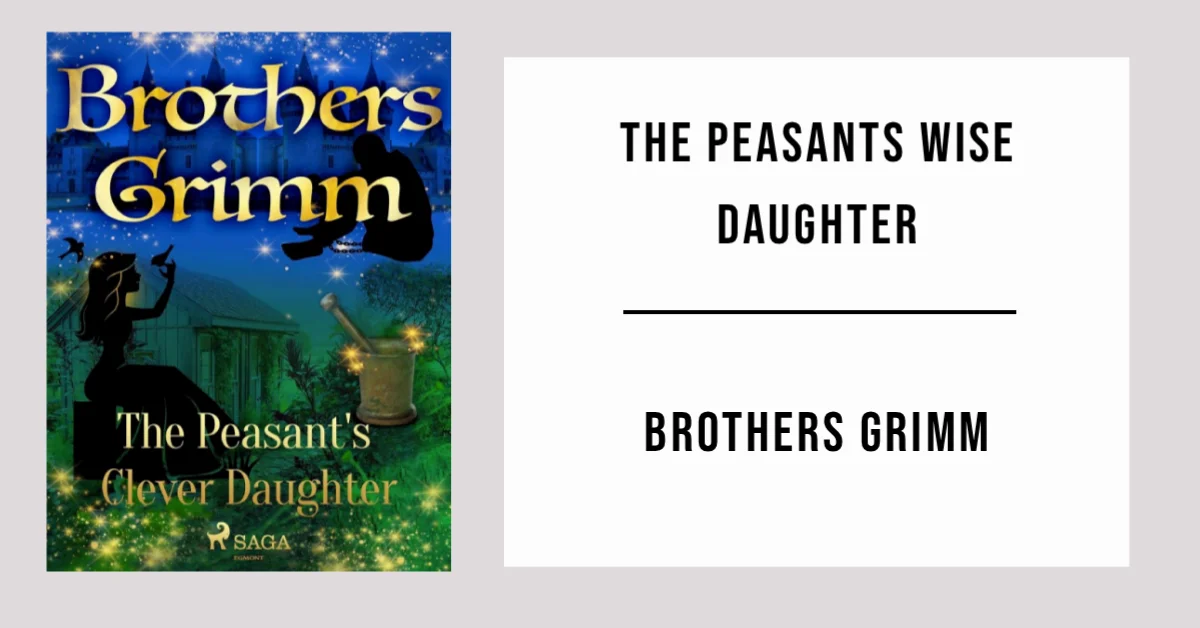
The Peasants Wise Daughter by Brothers Grimm

The Pink by Brothers Grimm
The Queen Bee by Brothers Grimm
The Robber Bridegroom by Brothers Grimm
The Shoes That Were Danced to Pieces by Brothers Grimm
The Sleeping Beauty by Brothers Grimm
The Straw, the Coal, and the Bean by Brothers Grimm

The Turnip by Brothers Grimm
Tom Thumb by Brothers Grimm
White Snake by Brothers Grimm