
Meditations by Marcus Aurelius [PDF]
by InfoBooks
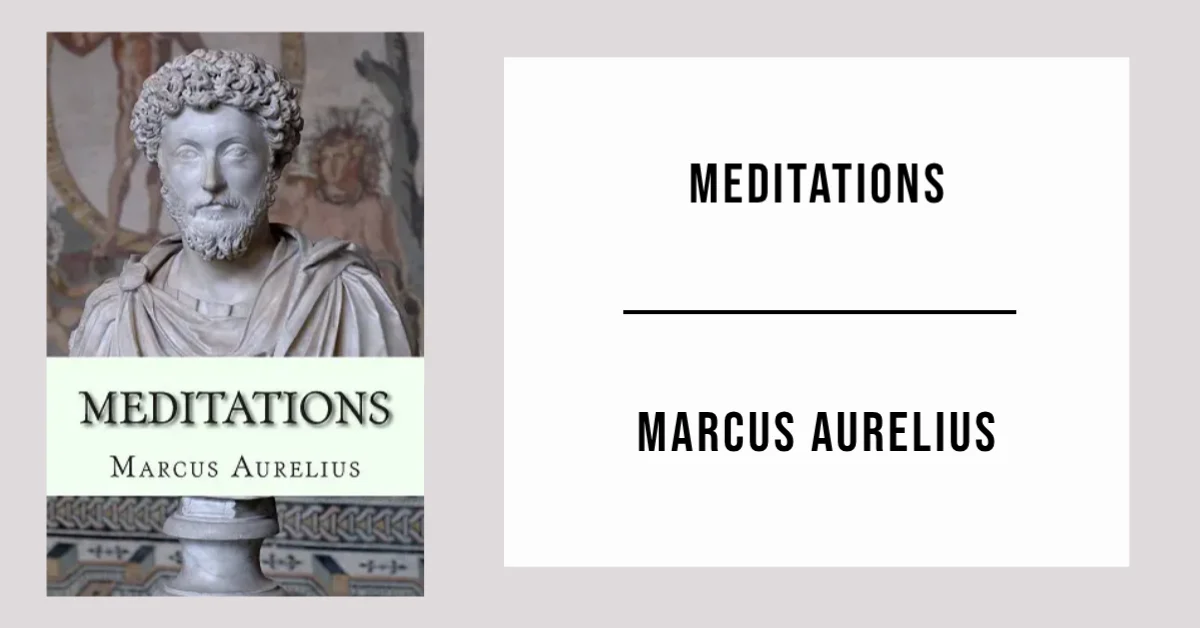
Marcus Aurelius wrote Meditations as a private guide for his own life, never expecting anyone else to read it. That raw honesty is exactly what makes it so powerful nearly two thousand years later.
Here you can download Meditations in PDF for free and access one of the foundational texts of Stoic philosophy. Read it on any device, at your own pace.
These reflections were written during real hardship, between wars and plagues, by a man carrying the weight of an empire. They read less like philosophy and more like a conversation with someone figuring things out.
Meditations by Marcus Aurelius
*Please wait a few seconds for the document to load, the time may vary depending on your internet connection. If you prefer, you can download the file by clicking the link below.
Loading PDF...
Information: Meditations
- Author: Marcus Aurelius
- Publication Date: 180
- Main Characters:
- Marcus Aurelius: Roman Emperor (161-180 AD) and Stoic philosopher who authored the text as a private journal of self-improvement and ethical reflection.
- Epictetus: Former slave turned Stoic teacher whose ideas deeply influenced Aurelius. His teachings on distinguishing what is within our control are echoed throughout.
- Antoninus Pius: Aurelius's adoptive father and predecessor as emperor, frequently praised in the text as a model of patience, humility, and fair governance.
- Rusticus: One of Aurelius's key Stoic tutors, credited with introducing him to Epictetus and teaching him to avoid rhetorical showmanship in favor of substance.
- Brief Summary: Meditations consists of twelve books of personal reflections written by Marcus Aurelius during the last decade of his life. The central theme is the practice of Stoic virtue: wisdom, justice, courage, and temperance. Aurelius repeatedly reminds himself to focus only on what he can control and to accept what he cannot. The writing is remarkably practical, offering exercises for managing anger, facing mortality, and staying grounded in daily life. It is one of the few philosophical works written by a head of state while actively governing.
- Thematic Analysis: The core themes revolve around impermanence, self-mastery, and the idea that our perceptions, not external events, determine our well-being. Aurelius examines the relationship between the individual and the cosmos, arguing that human beings share a rational nature that demands ethical behavior. He also returns constantly to the theme of death as a natural process, not something to fear.
- Historical Context: Marcus Aurelius ruled the Roman Empire from 161 to 180 AD, a period marked by wars with Germanic tribes, a devastating plague, and internal political challenges. He wrote Meditations in Greek, the language of philosophy, likely in his tent during the Marcomannic Wars along the Danube frontier. The text was preserved through Byzantine manuscripts and first published in print in 1558.