
Rapunzel by Brothers Grimm [PDF]
by InfoBooks
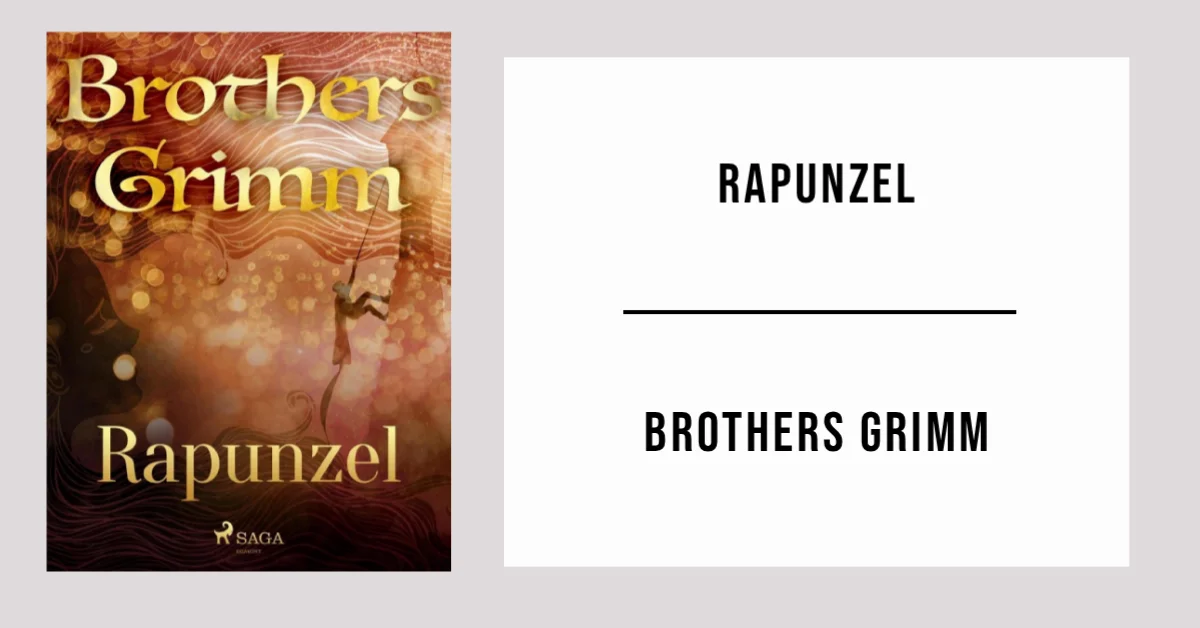
The Brothers Grimm gave us some of the most enduring stories in Western literature, and Rapunzel stands near the top. First published in 1812, this fairy tale about a girl locked in a tower has captivated readers for over two centuries. The story is deceptively simple, but its themes of freedom, love, and sacrifice run deep.
What makes the original Grimm version so interesting is how different it is from modern adaptations. You can read this free PDF and discover the darker, more complex story that Disney never showed you. The enchantress is not simply a villain, and Rapunzel is more than a passive princess waiting to be rescued.
At just a few pages long, Rapunzel is the kind of story you can read in one sitting and think about for days. The prince's blindness, Rapunzel's exile, and their eventual reunion carry real emotional weight. If you love fairy tales in their original form, this is where it gets good.
Rapunzel by Brothers Grimm
*Please wait a few seconds for the document to load, the time may vary depending on your internet connection. If you prefer, you can download the file by clicking the link below.
Loading PDF...
Information: Rapunzel
- Author: Brothers Grimm
- Publication Date: 1812
- Main Characters:
- Rapunzel: A beautiful young woman with extraordinarily long golden hair. Taken from her parents as a baby by the enchantress, she grows up isolated in a doorless tower. Her singing voice attracts the prince, and she eventually finds freedom through love and perseverance.
- The Enchantress (Dame Gothel): A powerful sorceress who takes Rapunzel as payment for stolen herbs. She raises Rapunzel but keeps her locked away from the world. When she discovers the prince, she punishes both lovers. Her need for control ultimately costs her the girl she claimed to love.
- The Prince: A young royal who discovers Rapunzel by hearing her sing in the tower. He visits her in secret by climbing her hair. After the enchantress blinds him by causing his fall into thorns, he wanders for years before finding Rapunzel again.
- Rapunzel's Parents: A husband and wife who desperately want a child. The husband steals rapunzel lettuce from the enchantress's garden to satisfy his pregnant wife's cravings, and they are forced to give up their daughter as the price.
- Brief Summary: A couple living next to the garden of an enchantress desperately want a child. When the husband steals rapunzel lettuce from the witch's garden, she demands their newborn daughter as payment. The enchantress names the girl Rapunzel and locks her in a tall tower with no door when she turns twelve. A prince hears Rapunzel singing, learns her secret, and visits her by climbing her long hair. When the enchantress discovers their meetings, she cuts Rapunzel's hair, banishes her to the wilderness, and tricks the prince into falling from the tower, blinding him on thorns below. After years of wandering, the blind prince finds Rapunzel living in the desert with their twin children. Her tears fall on his eyes and restore his sight, and they return together to his kingdom.
- Thematic Analysis: Rapunzel explores several themes that give it lasting power. The most prominent is **the conflict between protection and control**. The enchantress believes she is caring for Rapunzel, but her "protection" is really imprisonment. This tension between keeping someone safe and denying them freedom is something parents and children still navigate today. **Love as a transformative force** runs through the entire story. The prince risks death to see Rapunzel, endures blindness, and wanders for years without giving up. Rapunzel's tears literally heal him. The Grimms use love not as a simple reward but as something that demands real sacrifice. There is also a theme of **consequences and payment**. Every character pays a price for what they want. The parents trade their child for lettuce. The enchantress loses Rapunzel despite trying to control her completely. The prince loses his sight. Nothing comes free in this story, which gives it a moral weight that lighter fairy tales lack.
- Historical Context: The Brothers Grimm, Jacob (1785-1863) and Wilhelm (1786-1859), were German academics who collected and published folk tales as part of a larger effort to preserve German cultural heritage. Rapunzel appeared in the first edition of Children's and Household Tales (Kinder- und Hausmarchen) in 1812. The story has roots in earlier European tales, most notably Persinette by Charlotte-Rose de Caumont de La Force, published in 1698 in France. The Grimms drew from oral tradition and literary sources, then shaped them for a German audience. Over successive editions (the final one in 1857), Wilhelm Grimm softened sexual references and added moral lessons, making the tales more suitable for children while preserving their narrative core. The early 19th century was a period of rising nationalism in the German states, and the Grimms' collection served both literary and political purposes. By documenting folk traditions, they contributed to a shared German identity. Rapunzel, like many tales in the collection, reflects anxieties about family, authority, and the transition from childhood to adulthood that were central to the culture of the time.
Books by Brothers Grimm
Cat and Mouse in Partnership by Brothers Grimm
Cinderella by Brothers Grimm
Hans in Luck by Brothers Grimm
Hansel and Gretel by Brothers Grimm
Jorinde and Joringel by Brothers Grimm
Little Red Riding Hood by Brothers Grimm
Mother Hulda by Brothers Grimm
Old Sultan by Brothers Grimm
Rumpelstiltskin by Brothers Grimm
Sweetheart Roland by Brothers Grimm
The Dog and the Sparrow by Brothers Grimm
The Elves by Brothers Grimm
The Fisherman and His Wife by Brothers Grimm
The Frog Prince by Brothers Grimm
The Gallant Tailor by Brothers Grimm
The Golden Bird by Brothers Grimm
The Goose Girl by Brothers Grimm
The Mouse, the Bird, and the Sausage by Brothers Grimm
The Peasants Wise Daughter by Brothers Grimm
The Pink by Brothers Grimm
The Queen Bee by Brothers Grimm
The Robber Bridegroom by Brothers Grimm
The Shoes That Were Danced to Pieces by Brothers Grimm
The Sleeping Beauty by Brothers Grimm
The Straw, the Coal, and the Bean by Brothers Grimm
The Turnip by Brothers Grimm
Tom Thumb by Brothers Grimm
White Snake by Brothers Grimm