
Sweetheart Roland by Brothers Grimm [PDF]
by InfoBooks
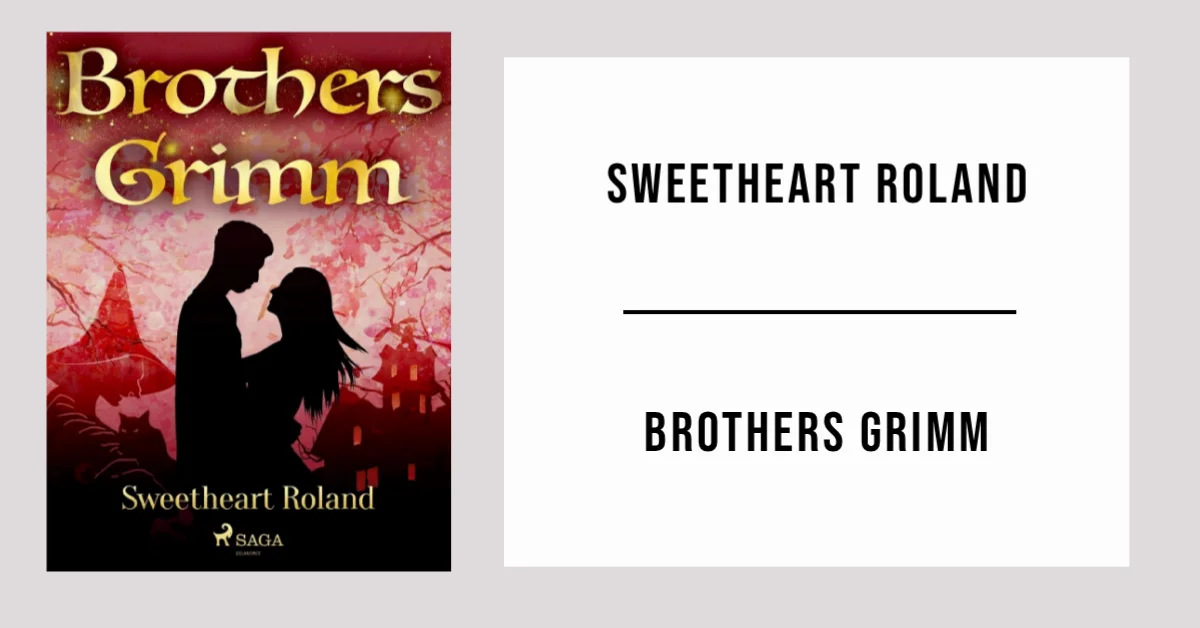
Sweetheart Roland is one of the lesser-known but most emotionally layered fairy tales from the Brothers Grimm collection. It blends elements of magical escape, transformation, and romantic devotion into a compact and satisfying narrative. The heroine's wit and courage drive the plot forward from start to finish.
You can read this classic fairy tale right now by downloading the free PDF available on this page. The story of Sweetheart Roland has been captivating readers since 1812, offering a mix of suspense, magic, and genuine emotion. It is a wonderful entry point into the world of Grimm fairy tales for both new and returning readers.
The Brothers Grimm collected this tale from Henriette Dorothea Wild, who later became Wilhelm Grimm's wife. It was revised over several editions, with the version most people know today coming from the 1857 seventh edition. The tale draws from the rich oral storytelling traditions of central Europe and remains a fascinating example of how folk narratives explore themes of loyalty and cunning.
Sweetheart Roland by Brothers Grimm
*Please wait a few seconds for the document to load, the time may vary depending on your internet connection. If you prefer, you can download the file by clicking the link below.
Loading PDF...
Information: Sweetheart Roland
- Author: Brothers Grimm
- Publication Date: 1812
- Main Characters:
- The Stepdaughter (Heroine): The unnamed protagonist of the tale. She is beautiful, clever, and resourceful. After overhearing her stepmother's murderous plot, she takes decisive action to save herself. Throughout the story, she demonstrates loyalty, patience, and ingenuity, ultimately winning back Roland through the power of her voice and devotion.
- Roland: The heroine's sweetheart and the only named character in the tale. He helps the girl escape from the witch and shows bravery during their flight. However, he proves fallible when he forgets his true love after being enchanted by another woman. He is ultimately restored to the heroine when her singing breaks the spell.
- The Witch (Stepmother): The main antagonist. She is a cruel and jealous woman who favors her own ugly daughter and plots to murder her stepdaughter. Her plans backfire when she accidentally kills her own child. She pursues the fleeing lovers with relentless fury but is ultimately destroyed by enchanted thorns that force her to dance until she dies.
- The Witch's Daughter: The witch's biological daughter, described as ugly and wicked. She is the unintended victim of her mother's murderous plot when the heroine switches places with her in the night. Her death sets the entire escape sequence in motion.
- The Shepherd: A kind man who discovers the heroine after she has been transformed into a flower. He takes the flower home, where it magically keeps his house in order. With the help of a wise woman, he breaks the enchantment and restores the heroine to human form.
- Brief Summary: Sweetheart Roland tells the story of a young woman whose wicked stepmother, a witch, plans to kill her in her sleep. The clever girl overhears the plot and switches places with the witch's own daughter, who is accidentally killed instead. The heroine flees with her sweetheart Roland, taking a magic wand to protect them. As the witch pursues them, the couple uses magical transformations to disguise themselves: first as a lake and duck, then as a thorn hedge and rose. The witch is finally defeated when she is forced to dance herself to death on enchanted thorns. However, the story does not end with the witch's death. Roland leaves to arrange the wedding with his father but falls under the influence of another woman and forgets his true love. The abandoned girl transforms into a flower, is found by a shepherd, and eventually wins Roland back by singing at his wedding to the false bride. Her voice breaks the spell, and the two are reunited at last.
- Thematic Analysis: The central themes of Sweetheart Roland revolve around loyalty, cleverness, and the power of identity. The heroine's ability to outsmart both the witch and fate itself places her firmly in the tradition of active, resourceful Grimm heroines. Transformation plays a key role throughout the tale. Characters shift between human and natural forms, reflecting the fluid boundary between the ordinary and the magical in folk storytelling. These transformations also serve as metaphors for resilience, as the heroine adapts to each new threat. The story also examines the fragility of romantic promises. Roland's forgetfulness introduces a tension between faithfulness and human weakness. The resolution, where the heroine reclaims her beloved through song rather than force, suggests that true love is ultimately recognized and restored through devotion and patience. Finally, the theme of justice runs through the narrative. The witch's death by her own cruelty and the false bride's displacement both reinforce the folk-tale principle that goodness and cleverness are rewarded while wickedness is punished.
- Historical Context: Sweetheart Roland (KHM 56) was first published in 1812 in the first edition of the *Kinder- und Hausmärchen* by Jacob and Wilhelm Grimm. The tale was collected from Henriette Dorothea Wild, a woman from Kassel who would later marry Wilhelm Grimm in 1825. The story underwent significant stylistic revisions in the second edition of 1819, with the version most commonly read today coming from the seventh and final edition of 1857. These revisions reflect the Grimms' evolving approach to storytelling, moving from raw oral transcription toward more polished literary narratives. The tale belongs to the Aarne-Thompson-Uther tale types 1119 (The Ogre Kills His Own Children) and 313C (The Girl Helps the Hero Flee), which are widespread across European folklore. Similar stories appear in French, Scandinavian, and Eastern European traditions. The Grimm Brothers compiled their fairy tales during a period of rising German nationalism and Romantic interest in folk culture. Their work aimed to preserve the oral traditions of the German-speaking people, and Sweetheart Roland is a prime example of how these everyday tales captured complex human emotions within simple narrative structures.
Books by Brothers Grimm
Cat and Mouse in Partnership by Brothers Grimm
Cinderella by Brothers Grimm
Hans in Luck by Brothers Grimm
Hansel and Gretel by Brothers Grimm
Jorinde and Joringel by Brothers Grimm
Little Red Riding Hood by Brothers Grimm
Mother Hulda by Brothers Grimm
Old Sultan by Brothers Grimm
Rapunzel by Brothers Grimm
Rumpelstiltskin by Brothers Grimm
The Dog and the Sparrow by Brothers Grimm
The Elves by Brothers Grimm
The Fisherman and His Wife by Brothers Grimm
The Frog Prince by Brothers Grimm
The Gallant Tailor by Brothers Grimm
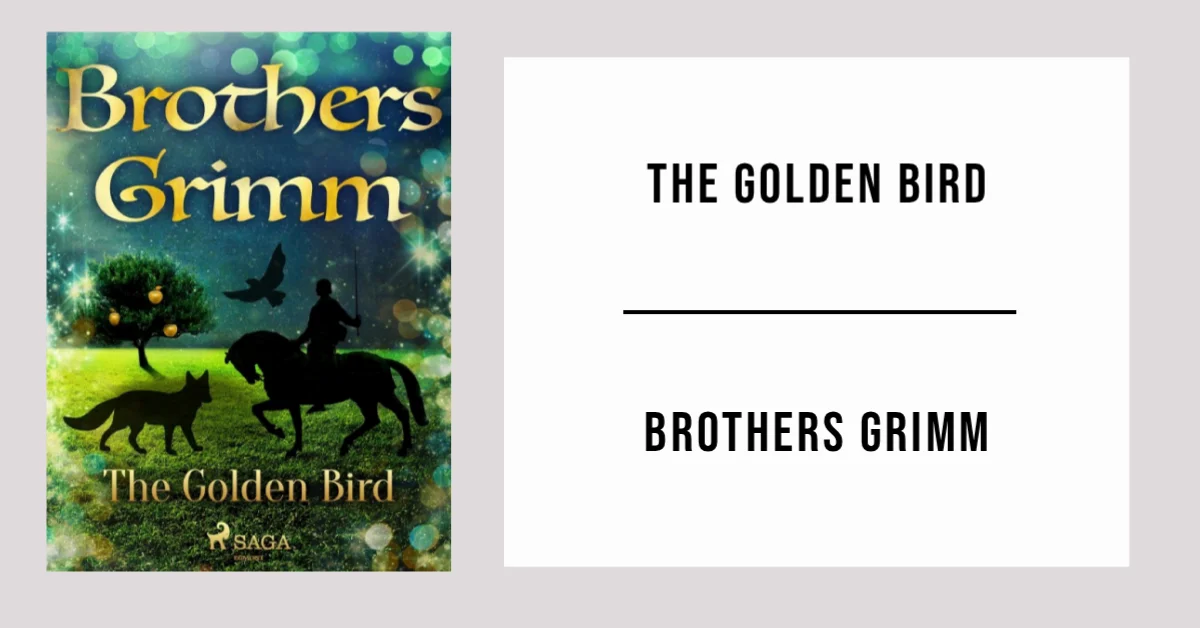
The Golden Bird by Brothers Grimm
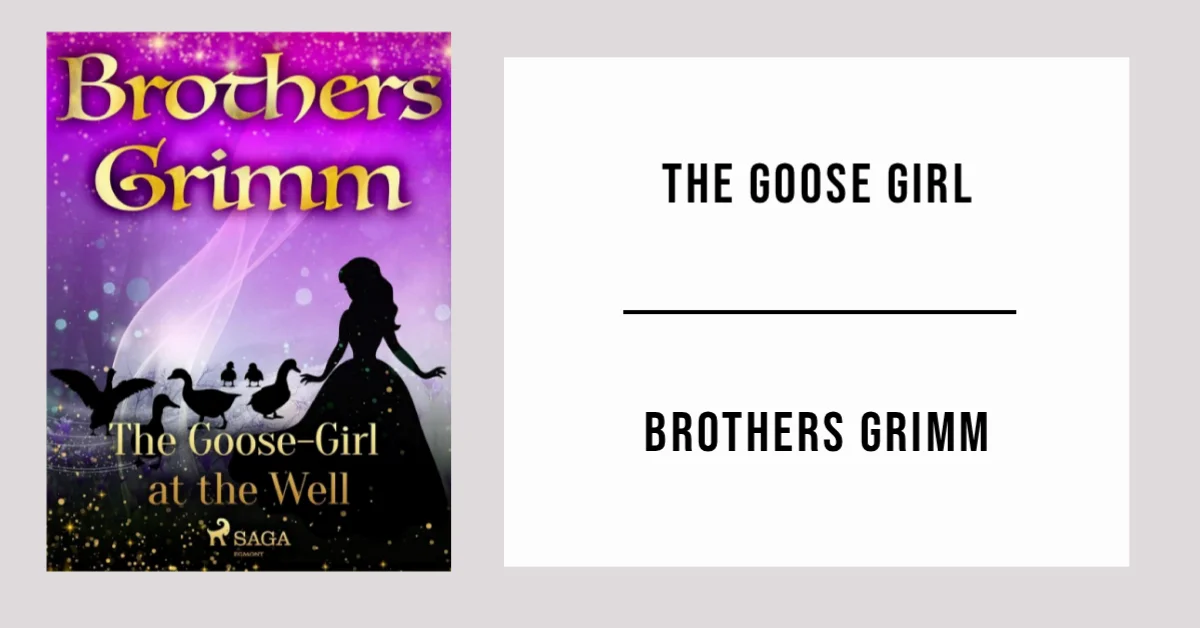
The Goose Girl by Brothers Grimm
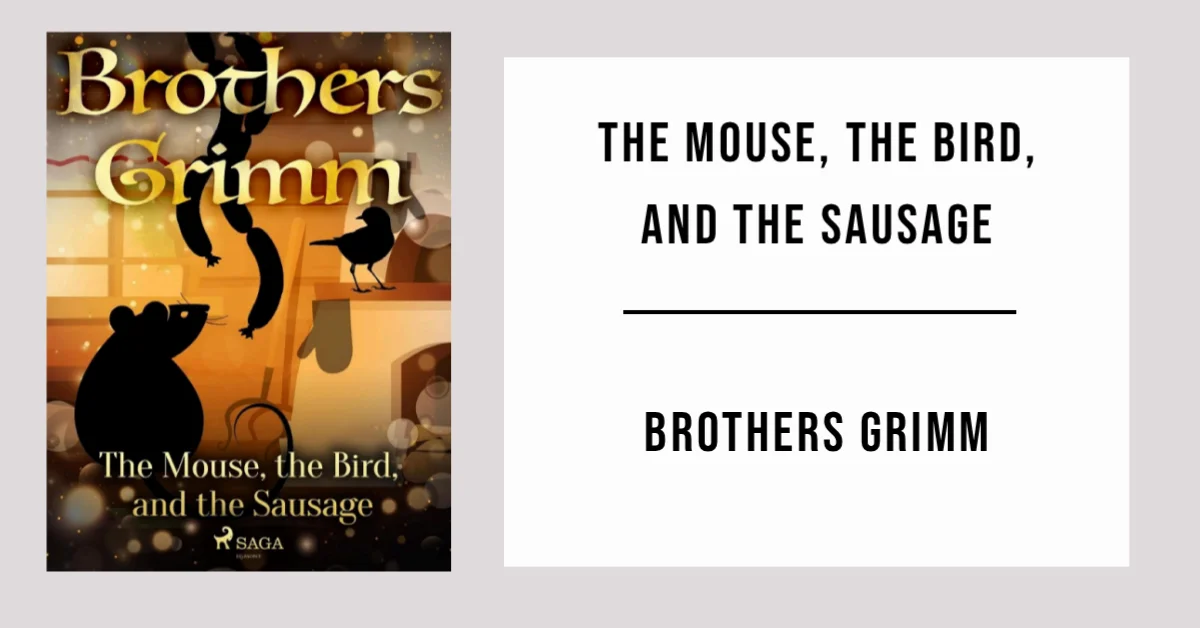
The Mouse, the Bird, and the Sausage by Brothers Grimm
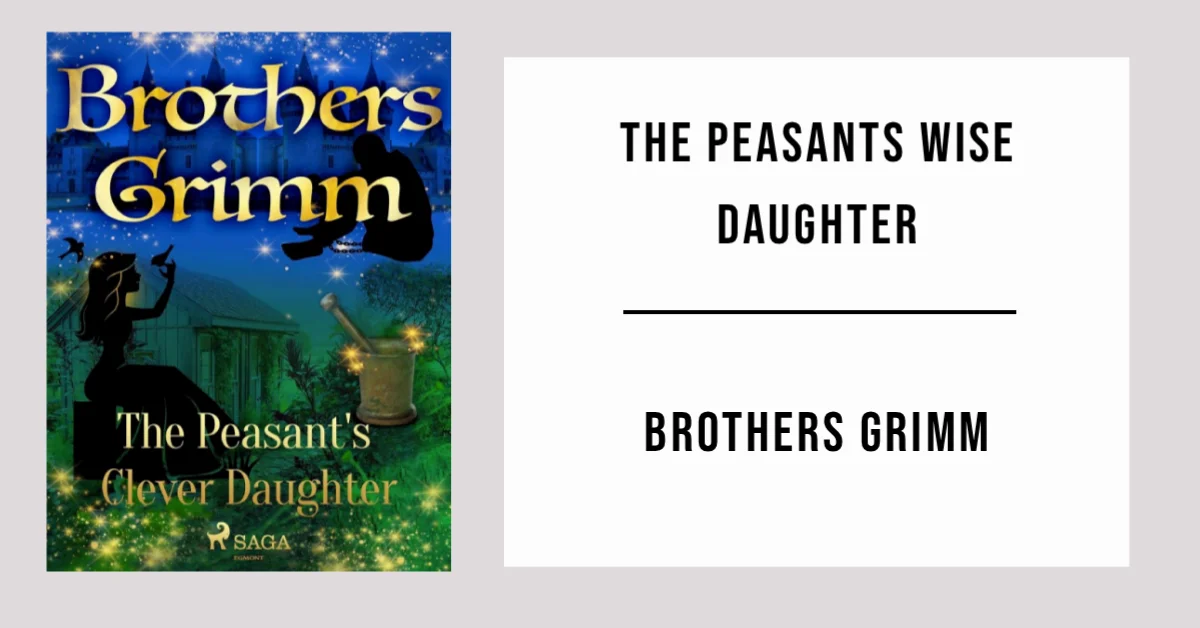
The Peasants Wise Daughter by Brothers Grimm
The Pink by Brothers Grimm
The Queen Bee by Brothers Grimm
The Robber Bridegroom by Brothers Grimm
The Shoes That Were Danced to Pieces by Brothers Grimm
The Sleeping Beauty by Brothers Grimm
The Straw, the Coal, and the Bean by Brothers Grimm
The Turnip by Brothers Grimm
Tom Thumb by Brothers Grimm
White Snake by Brothers Grimm