
Tarquin of Cheapside by F. Scott Fitzgerald [PDF]
by InfoBooks
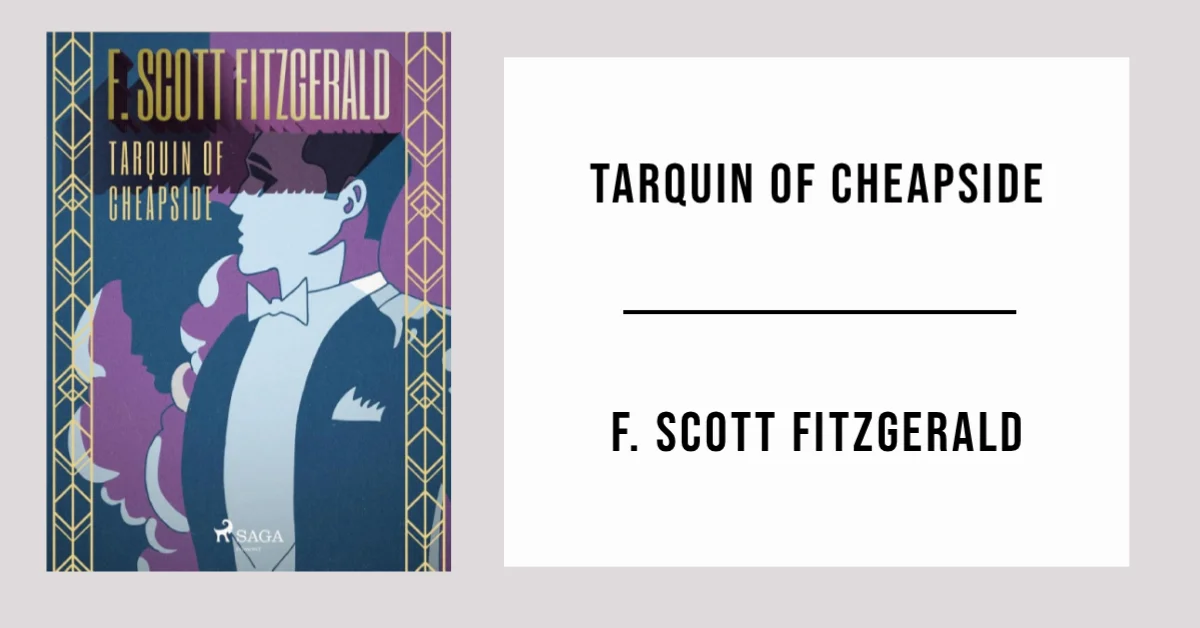
F. Scott Fitzgerald wrote Tarquin of Cheapside while still an undergraduate at Princeton, and it became one of his earliest published works, blending Elizabethan adventure with a surprising literary twist.
You can download the free PDF of Tarquin of Cheapside right here and discover a side of Fitzgerald most readers never encounter: playful, historically inventive, and full of clever surprises.
Step into Cheapside, London, 1594, and let Fitzgerald guide you through a night of mystery, pursuit, and a secret that connects to one of Shakespeare's most famous poems.
Tarquin of Cheapside by F. Scott Fitzgerald
*Please wait a few seconds for the document to load, the time may vary depending on your internet connection. If you prefer, you can download the file by clicking the link below.
Loading PDF...
Information: Tarquin of Cheapside
- Author: F. Scott Fitzgerald
- Publication Date: 1917
- Main Characters:
- Wessel Caxter: A quiet, bookish scholar living in Cheapside, London. He is absorbed in reading The Faerie Queene when a desperate stranger interrupts his evening. His love of manuscripts ultimately leads him to shelter the fugitive.
- Soft Shoes (William Shakespeare): A mysterious, agile fugitive fleeing through the streets of London. Sardonic and elfish, he convinces Wessel to hide him. His true identity as Shakespeare is revealed only through the poem he writes overnight.
- Flowing Boots: A group of armed pursuers chasing Soft Shoes through London. One of them is wounded, and their rage stems from a dishonor involving a sister. They represent the dangerous consequences of the fugitive's actions.
- Brief Summary: Tarquin of Cheapside is set in London in 1594 and opens with a breathless chase through dark alleys. A mysterious figure known as "Soft Shoes" flees from armed pursuers called "Flowing Boots" and pounds on the door of Wessel Caxter, a peaceful scholar absorbed in reading The Faerie Queene. Wessel reluctantly hides the stranger in his garret while the angry pursuers, seeking revenge over a dishonor involving one man's sister, search the room below. After cleverly deflecting the intruders, Wessel watches his guest spend the night feverishly writing. At dawn, the pages reveal the opening lines of Shakespeare's "The Rape of Lucrece," exposing the fugitive as none other than William Shakespeare himself.
- Thematic Analysis: The story explores themes of hospitality and moral ambiguity; Wessel shelters a stranger without knowing his crime, raising questions about loyalty and judgment. Identity and hidden genius run throughout the narrative, as the fugitive's true significance is concealed until the final reveal. Fitzgerald also weaves in a commentary on the relationship between lived experience and artistic creation, suggesting that great literature is born from real, sometimes scandalous, human encounters.
- Historical Context: Fitzgerald wrote Tarquin of Cheapside around 1916 during his time at Princeton University, and it was first published in the Nassau Literary Magazine in April 1917. A revised version appeared in The Smart Set magazine in February 1921, and it was later collected in Tales of the Jazz Age in 1922. The story reflects the young Fitzgerald's deep admiration for Elizabethan literature and his desire to prove himself as a serious writer, years before his Jazz Age novels would define American modernism.
Books by F. Scott Fitzgerald

Flappers and Philosophers by F. Scott Fitzgerald
Tales of the Jazz Age by F. Scott Fitzgerald
The Beautiful and Damned by F. Scott Fitzgerald
The Curious Case of Benjamin Button by F. Scott Fitzgerald

The Diamond As Big As The Ritz by F. Scott Fitzgerald

The Great Gatsby by F. Scott Fitzgerald
This Side of Paradise by F. Scott Fitzgerald