
The Age of Innocence by Edith Wharton [PDF]
by InfoBooks
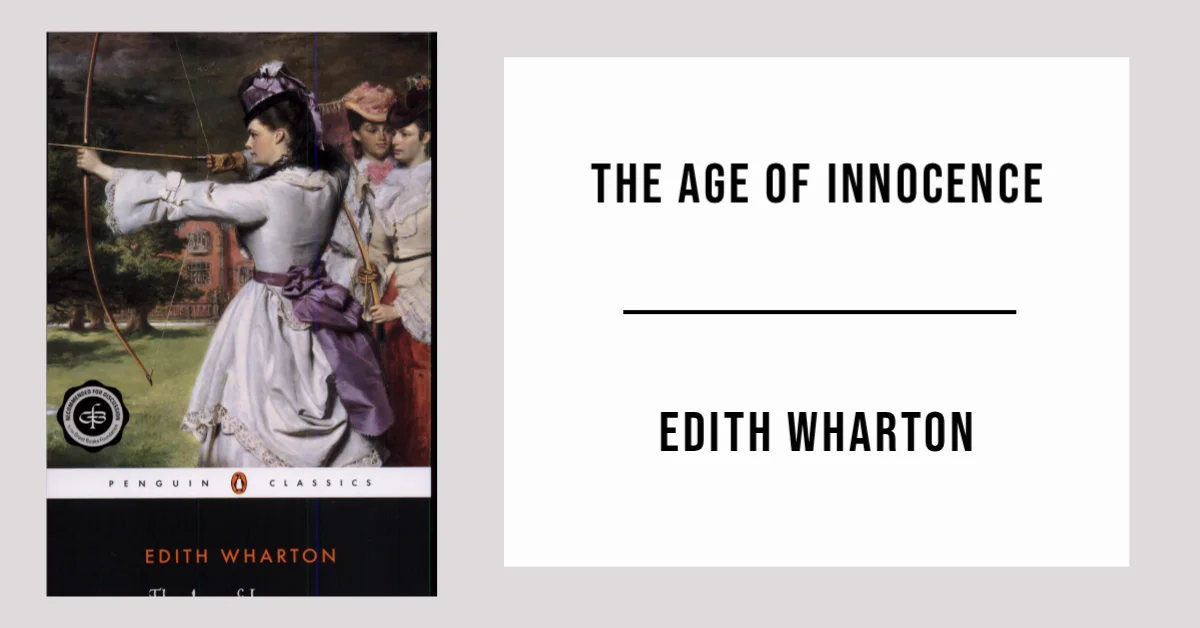
The Age of Innocence by Edith Wharton is a Pulitzer Prize-winning novel set in the rigid social world of 1870s New York. It tells the story of a man caught between the woman he's expected to marry and the woman who makes him question everything.
You can download this classic novel in PDF format for free right here on InfoBooks. One click and it's on your device, ready whenever you are.
Wharton's prose is elegant but never heavy. Whether you're new to her work or revisiting a favorite, this is one of those novels that reveals something different every time you read it.
The Age of Innocence by Edith Wharton
*Please wait a few seconds for the document to load, the time may vary depending on your internet connection. If you prefer, you can download the file by clicking the link below.
Loading PDF...
Information: The Age of Innocence
- Author: Edith Wharton
- Publication Date: 1920
- Main Characters:
- Newland Archer: A young, well-bred lawyer engaged to May Welland. He considers himself intellectually superior to his social circle but struggles to act on his convictions when faced with real choices.
- May Welland: Archer's fiancée and later wife. Outwardly innocent and conventional, she proves far more perceptive and strategic than anyone expects.
- Countess Ellen Olenska: May's cousin, who has returned to New York after leaving a difficult marriage in Europe. She is independent, direct, and represents the freedom Archer craves.
- Mrs. Catherine Mingott: The powerful, unconventional matriarch of the family. She supports Ellen's return to New York society despite the scandal surrounding her.
- Brief Summary: Newland Archer, a respectable young lawyer in 1870s New York, is happily engaged to May Welland. His world shifts when May's cousin, Countess Ellen Olenska, returns from Europe after leaving a troubled marriage. Archer is drawn to Ellen's independent spirit and begins questioning the rigid social code he once accepted. Trapped between genuine passion and societal expectation, he must choose. The novel ends decades later, with Archer reflecting on a love that never fully materialized.
- Thematic Analysis: The novel explores the tension between individual desire and social conformity. Wharton examines how unwritten rules of propriety can function as a form of quiet violence, silencing authentic feeling in favor of appearances. Love, duty, and the cost of choosing safety over truth run through every chapter.
- Historical Context: Published in 1920, the novel looks back at 1870s Gilded Age New York with both nostalgia and criticism. Wharton, who grew up in this very world, uses the distance of decades to expose its contradictions. The book arrived at a moment when American society was itself in rapid transformation after World War I.