
The Curious Case of Benjamin Button by F. Scott Fitzgerald [PDF]
by InfoBooks
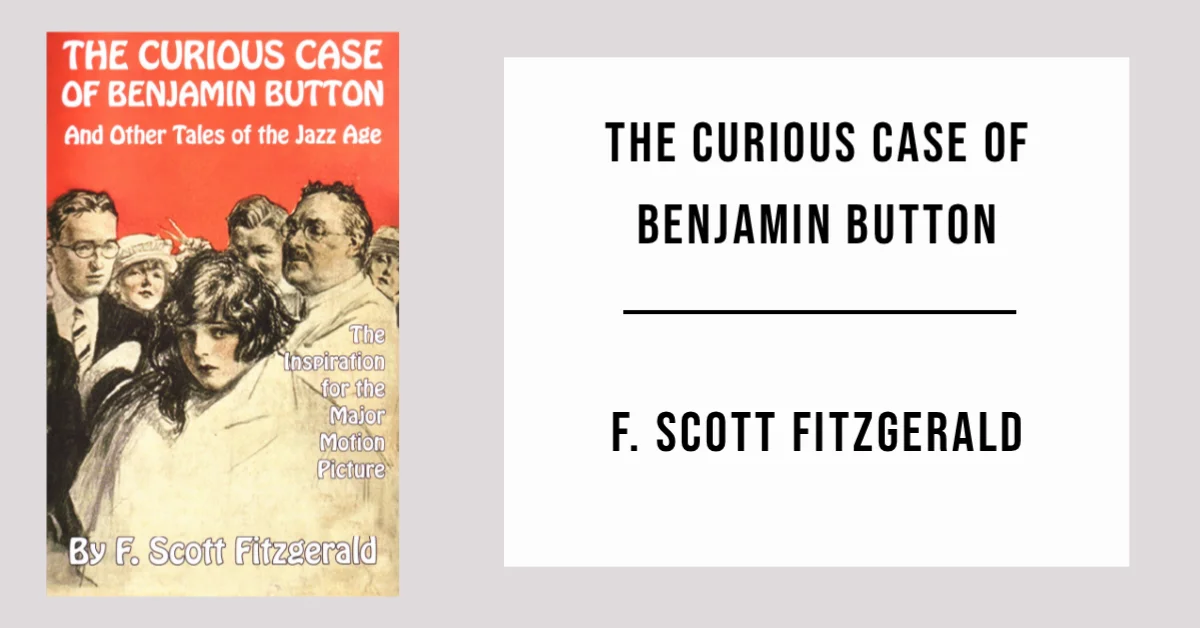
F. Scott Fitzgerald wrote The Curious Case of Benjamin Button in 1922, crafting one of the most original premises in American short fiction: a life lived entirely in reverse.
You can now download this classic story as a free PDF and discover why Fitzgerald's tale of reversed aging continues to fascinate readers more than a century after its publication.
A quick, thought-provoking read that will change the way you think about time, youth, and what we take for granted.
The Curious Case of Benjamin Button by F. Scott Fitzgerald
*Please wait a few seconds for the document to load, the time may vary depending on your internet connection. If you prefer, you can download the file by clicking the link below.
Loading PDF...
Information: The Curious Case of Benjamin Button
- Author: F. Scott Fitzgerald
- Publication Date: 1922
- Main Characters:
- Benjamin Button: The protagonist, born as an old man who ages in reverse, experiencing life from elderly to infant.
- Roger Button: Benjamin's father, a respectable Baltimore businessman embarrassed and bewildered by his son's condition.
- Hildegarde Moncrief: Benjamin's wife, initially attracted to his mature appearance but grows distant as he becomes younger.
- Roscoe Button: Benjamin's son, who becomes increasingly resentful as his father reverse-ages into a child.
- Brief Summary: Benjamin Button is born in 1860 as an elderly man in a Baltimore hospital, shocking his family and doctors. As the years pass, he grows physically younger while everyone around him ages normally. He attends Yale, fights in the Spanish-American War, runs a successful business, and falls in love with Hildegarde Moncrief, whom he eventually marries. But as Benjamin continues to reverse-age, his marriage deteriorates and his relationships with his son and grandchildren become strained. The story follows him from old age to infancy, ending as he fades into nothingness, a life lived in the wrong direction.
- Thematic Analysis: The story explores themes of identity, social conformity, and the relentless passage of time. Fitzgerald uses the reverse-aging conceit to expose how deeply society values youth and appearance over character. It also touches on the isolation that comes with being fundamentally different, and the bittersweet nature of memory and loss.
- Historical Context: Fitzgerald wrote this story in 1921 and it was first published in Collier's Magazine on May 27, 1922, later included in his collection Tales of the Jazz Age that same year. The early 1920s were a period of post-war optimism and cultural upheaval in America, and Fitzgerald was emerging as a literary voice of the Jazz Age. He reportedly drew inspiration from a Mark Twain remark that life's best moments come at the beginning and its worst at the end.
Books by F. Scott Fitzgerald
Flappers and Philosophers by F. Scott Fitzgerald
Tales of the Jazz Age by F. Scott Fitzgerald
Tarquin of Cheapside by F. Scott Fitzgerald
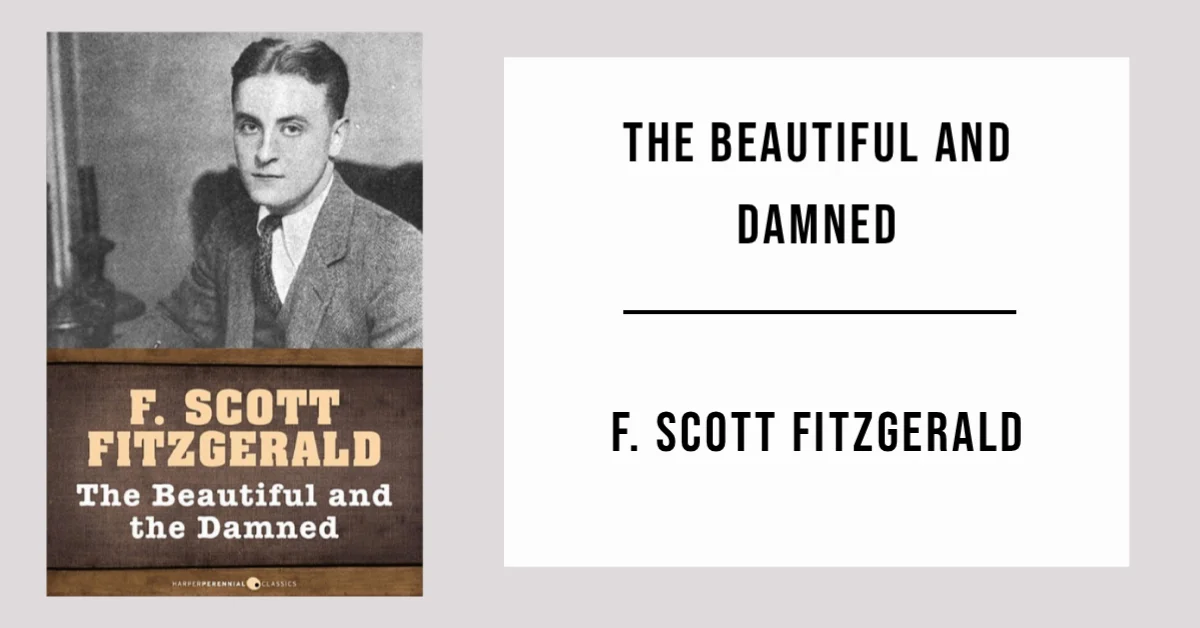
The Beautiful and Damned by F. Scott Fitzgerald
The Diamond As Big As The Ritz by F. Scott Fitzgerald
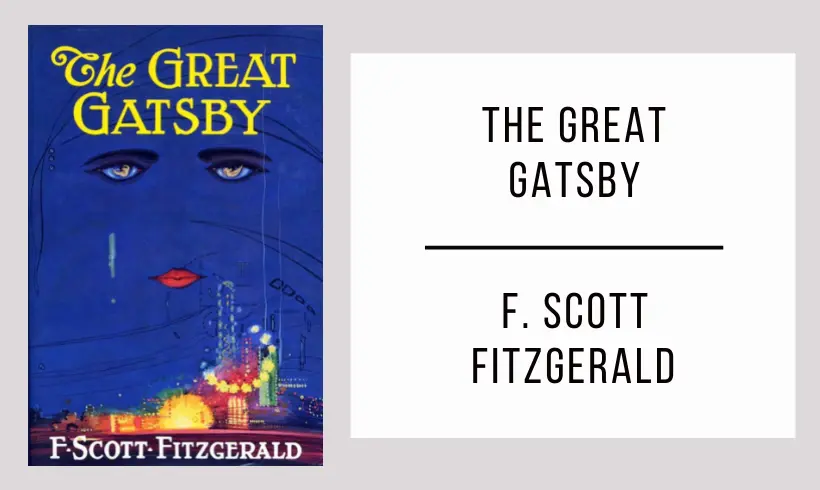
The Great Gatsby by F. Scott Fitzgerald
This Side of Paradise by F. Scott Fitzgerald