
The Fisherman and His Wife by Brothers Grimm [PDF]
by InfoBooks
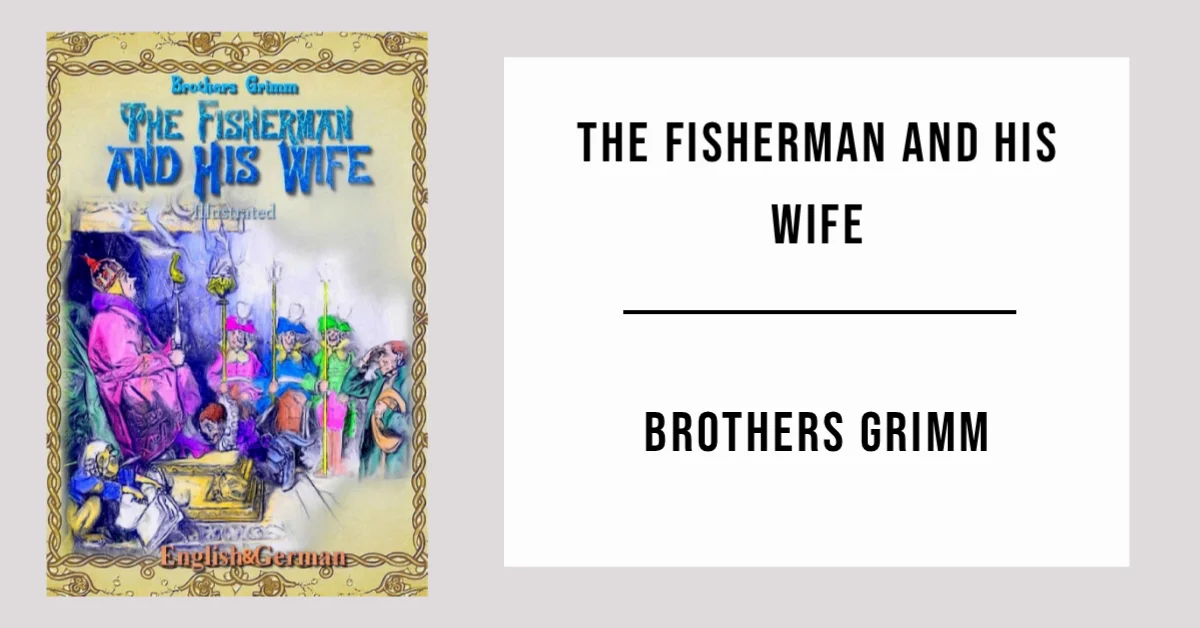
"The Fisherman and His Wife" by the Brothers Grimm is a fairy tale about a man, a magic fish, and a wife whose ambition has no ceiling. Published in 1812, it remains one of the sharpest stories ever written about greed and the cost of never being satisfied.
Download your free PDF of "The Fisherman and His Wife" and discover why this short tale has been retold for over two centuries. In just a few pages, the Grimm brothers captured something most novels struggle to say: that wanting everything is the fastest way to lose it all.
A fisherman, an enchanted flounder, and a wife who wants to be God. It sounds simple, but every sentence carries weight. Read it once and you will remember the ending for years.
The Fisherman and His Wife by Brothers Grimm
*Please wait a few seconds for the document to load, the time may vary depending on your internet connection. If you prefer, you can download the file by clicking the link below.
Loading PDF...
Information: The Fisherman and His Wife
- Author: Brothers Grimm
- Publication Date: 1812
- Main Characters:
- The Fisherman: A humble, obedient man who catches the enchanted flounder and reluctantly returns to the sea each time his wife demands more
- Ilsebill: The fisherman's wife, whose desires escalate from a simple cottage to wanting divine power, driving the entire conflict of the story
- The Flounder: An enchanted prince in the form of a fish who grants increasingly extravagant wishes until the final demand goes too far
- Brief Summary: A poor fisherman catches a flounder who claims to be an enchanted prince and begs to be released. The fisherman lets him go, but his wife Ilsebill insists he return to ask the fish for a better house. The fish grants the wish, but Ilsebill's demands escalate from a cottage to a stone house, to a palace, to becoming king, emperor, and pope. When she finally demands to be like God, the enchanted flounder sends them back to their original hovel, and everything is lost.
- Thematic Analysis: The tale explores greed, contentment, and the destructive cycle of unchecked ambition. It contrasts the fisherman's humility with his wife's insatiable desire for power. There is also a quiet commentary on the relationship between humans and nature, with the increasingly stormy sea reflecting the moral cost of each new demand.
- Historical Context: The Brothers Grimm included this tale in their first edition of "Kinder- und Hausmarchen" in 1812, drawn from a version told by the Romantic painter Philipp Otto Runge in Pomeranian Low German. The story reflects early 19th-century European folk traditions that used simple narratives to teach moral lessons about excess and social ambition.
Books by Brothers Grimm

Cat and Mouse in Partnership by Brothers Grimm

Cinderella by Brothers Grimm

Hans in Luck by Brothers Grimm
Hansel and Gretel by Brothers Grimm

Jorinde and Joringel by Brothers Grimm
Little Red Riding Hood by Brothers Grimm
Mother Hulda by Brothers Grimm

Old Sultan by Brothers Grimm

Rapunzel by Brothers Grimm

Rumpelstiltskin by Brothers Grimm

Sweetheart Roland by Brothers Grimm
The Dog and the Sparrow by Brothers Grimm

The Elves by Brothers Grimm

The Frog Prince by Brothers Grimm
The Gallant Tailor by Brothers Grimm

The Golden Bird by Brothers Grimm

The Goose Girl by Brothers Grimm
The Mouse, the Bird, and the Sausage by Brothers Grimm
The Peasants Wise Daughter by Brothers Grimm

The Pink by Brothers Grimm

The Queen Bee by Brothers Grimm
The Robber Bridegroom by Brothers Grimm
The Shoes That Were Danced to Pieces by Brothers Grimm

The Sleeping Beauty by Brothers Grimm
The Straw, the Coal, and the Bean by Brothers Grimm

The Turnip by Brothers Grimm

Tom Thumb by Brothers Grimm

White Snake by Brothers Grimm