
The Goose Girl by Brothers Grimm [PDF]
by InfoBooks
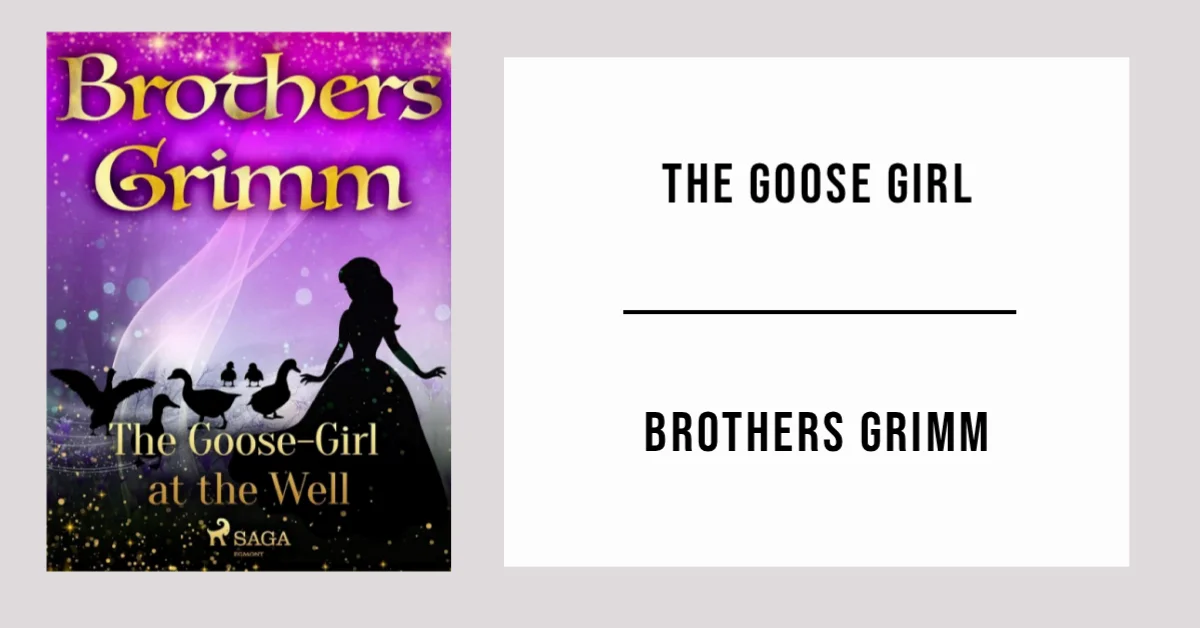
"The Goose Girl" by the Brothers Grimm is one of those fairy tales that cuts deeper than it first appears. Beneath the talking horse and the enchanted wind lies a story about power stolen and identity lost, told with the spare precision that makes the best Grimm tales feel timeless.
Download your free PDF of "The Goose Girl" and discover why this short tale has captivated readers since 1815. In just a few pages, the Grimm brothers built a story where justice does not arrive quickly, but it arrives completely.
A princess on a long road, a servant with ambition, and a horse that speaks the truth even after death. Once you start reading, you will understand why this tale has survived for over two hundred years.
The Goose Girl by Brothers Grimm
*Please wait a few seconds for the document to load, the time may vary depending on your internet connection. If you prefer, you can download the file by clicking the link below.
Loading PDF...
Information: The Goose Girl
- Author: Brothers Grimm
- Publication Date: 1815
- Main Characters:
- The Princess: The true bride, a gentle and obedient young woman who is stripped of her identity by her maid and forced to tend geese in silence
- The Waiting-Maid: The ambitious servant who seizes the princess's identity, clothes, and horse, presenting herself as the royal bride
- Falada: The princess's magical talking horse who continues to speak the truth even after being killed, serving as a witness to the injustice
- The Old King: The wise father of the prince who observes the goose girl's strange behavior and cleverly uncovers her true identity
- Conrad: The young goose-boy who works alongside the disguised princess and reports her unusual abilities to the king
- Brief Summary: A queen sends her daughter to marry a prince in a distant kingdom, giving her a magical talking horse named Falada and a handkerchief with three drops of her own blood for protection. During the journey, the waiting-maid forces the princess to swap identities and swear silence. The true princess is set to work tending geese alongside a boy named Conrad, while the impostor takes her place as the bride. The old king eventually uncovers the deception by tricking the princess into telling her story to an iron stove, and justice is served when the false bride unwittingly pronounces her own punishment.
- Thematic Analysis: The tale explores the tension between true identity and outward appearance, showing how power can be stolen but not sustained through deception. Justice in this story is not imposed from outside but emerges from the villain's own words, reinforcing the Grimm belief that wrongdoing contains the seeds of its own undoing. Loyalty, silence under duress, and the resilience of truth are woven throughout.
- Historical Context: The Brothers Grimm first published "The Goose Girl" in 1815 in the second volume of their Kinder- und Hausmarchen, drawing the story from the German oral tradition through their source Dorothea Viehmann. The tale reflects early nineteenth-century concerns with social order, rightful authority, and the consequences of betrayal. It became tale number 89 in later editions and has been widely translated and adapted across cultures.
Books by Brothers Grimm
Cat and Mouse in Partnership by Brothers Grimm
Cinderella by Brothers Grimm
Hans in Luck by Brothers Grimm
Hansel and Gretel by Brothers Grimm
Jorinde and Joringel by Brothers Grimm
Little Red Riding Hood by Brothers Grimm
Mother Hulda by Brothers Grimm
Old Sultan by Brothers Grimm
Rapunzel by Brothers Grimm
Rumpelstiltskin by Brothers Grimm
Sweetheart Roland by Brothers Grimm
The Dog and the Sparrow by Brothers Grimm
The Elves by Brothers Grimm
The Fisherman and His Wife by Brothers Grimm
The Frog Prince by Brothers Grimm
The Gallant Tailor by Brothers Grimm
The Golden Bird by Brothers Grimm
The Mouse, the Bird, and the Sausage by Brothers Grimm
The Peasants Wise Daughter by Brothers Grimm
The Pink by Brothers Grimm
The Queen Bee by Brothers Grimm
The Robber Bridegroom by Brothers Grimm
The Shoes That Were Danced to Pieces by Brothers Grimm
The Sleeping Beauty by Brothers Grimm
The Straw, the Coal, and the Bean by Brothers Grimm

The Turnip by Brothers Grimm
Tom Thumb by Brothers Grimm
White Snake by Brothers Grimm