
The Last Man by Mary Shelley [PDF]
by InfoBooks
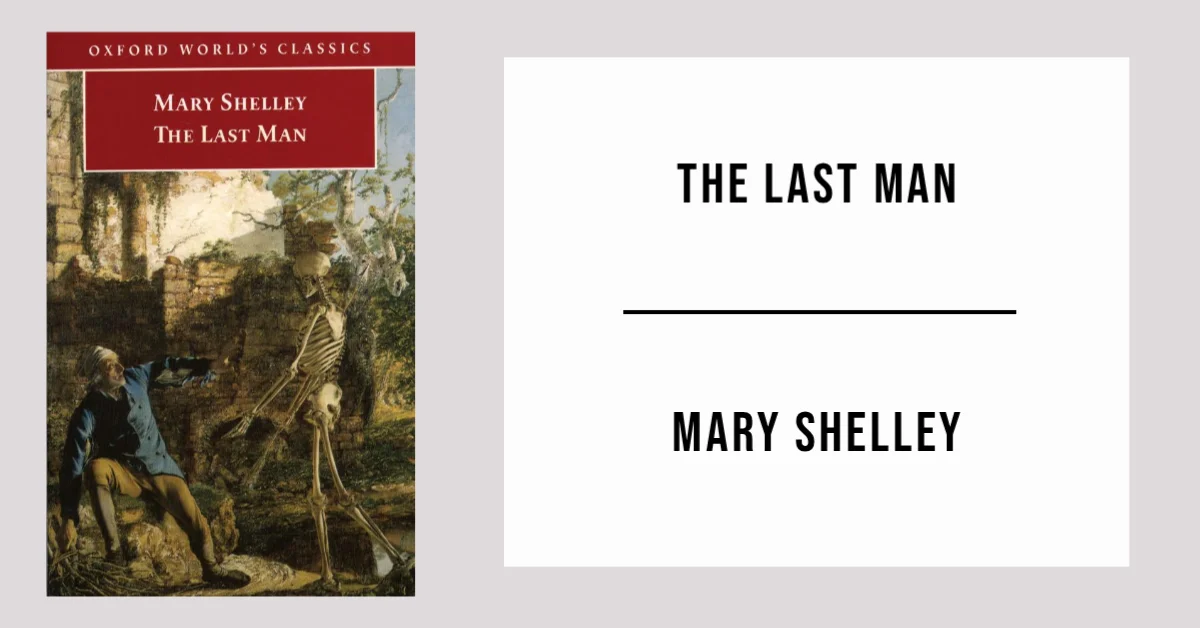
Mary Shelley wrote The Last Man as a deeply personal reflection on loss, wrapping her grief in a story about the extinction of the human race.
Set in a republican England of the future, the novel follows Lionel Verney as he becomes the sole survivor of a global plague that spares no nation or class.
Published in 1826, the book received harsh reviews and was largely forgotten until the 20th century, when scholars rediscovered it as a pioneering work of dystopian and post-apocalyptic literature.
The Last Man by Mary Shelley
*Please wait a few seconds for the document to load, the time may vary depending on your internet connection. If you prefer, you can download the file by clicking the link below.
Loading PDF...
Download PDF
Verified PDF · Secure download
Information: The Last Man
- Author: Mary Shelley
- Publication Date: 1826
- Main Characters:
- Lionel Verney: The narrator and eventual last survivor of the human race. An orphan who rises from poverty to become a key figure in English society, he chronicles the fall of civilization with both scholarly detachment and raw emotion.
- Adrian, Earl of Windsor: The idealistic son of England's last king, who champions republican values and leads the surviving population with compassion. He is widely seen as a portrait of Percy Bysshe Shelley.
- Lord Raymond: A charismatic and ambitious military leader who becomes Lord Protector of England. His restless desire for glory leads him to war in Constantinople, where his fate becomes intertwined with the spreading plague.
- Perdita: Lionel's sister and Raymond's wife, a passionate and proud woman whose devotion to Raymond defines her life. Her inability to endure his loss reveals the novel's exploration of grief and identity.
- Evadne: A Greek princess secretly in love with Raymond, whose unrequited passion and political loyalties add layers of conflict to the story.
- Brief Summary: The Last Man takes place in the late 21st century, after England has transitioned from monarchy to a republic. Lionel Verney, the narrator, grows up as a wild orphan before being taken in by Adrian, the son of the former king. As Verney builds a life filled with love and friendship, a devastating plague begins spreading from the East. One by one, nations fall and populations vanish, reducing Verney's circle to a small band of survivors fleeing south through Europe. By the novel's end, Verney is left entirely alone, the last living human on Earth.
- Thematic Analysis: Shelley examines how political ambition and personal desire persist even at the edge of annihilation, contrasting the selflessness of characters like Adrian with the destructive pride of Lord Raymond. The novel also wrestles with the meaning of art, memory, and storytelling when there is no audience left to receive them. Nature, portrayed as vast and uncaring, serves as a constant reminder that human civilization is temporary.
- Historical Context: Mary Shelley wrote The Last Man during a period of intense personal grief following the deaths of Lord Byron and Percy Bysshe Shelley, both thinly fictionalized in the novel. The book appeared in 1826, a time when Romantic idealism was giving way to more skeptical views about human progress. Its depiction of a global pandemic resonated with contemporary fears of cholera, which would indeed sweep through Europe just a few years later.