
The Man Who Knew Too Much by Gilbert K. Chesterton [PDF]
by InfoBooks
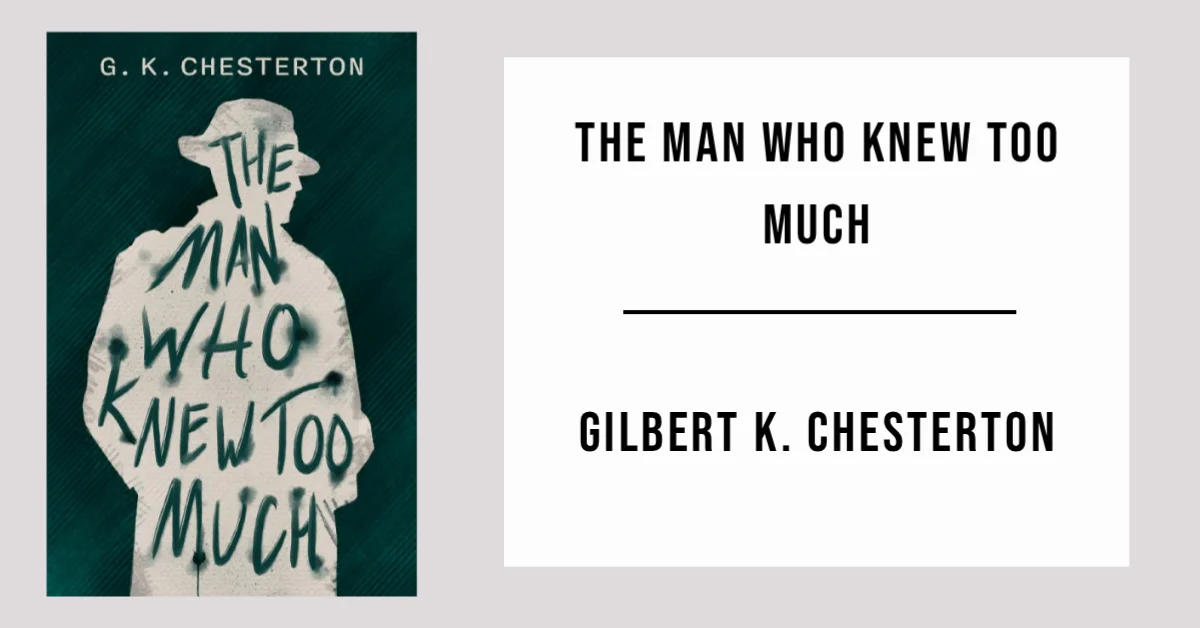
Gilbert K. Chesterton published The Man Who Knew Too Much in 1922, bringing readers a detective unlike any other in fiction. Horne Fisher solves every crime he encounters, yet his intimate knowledge of the powerful means justice is rarely served. The interesting thing about this author is that Chesterton was already famous for Father Brown, but with Fisher he created something darker and more politically charged.
You can now download a free PDF of The Man Who Knew Too Much and discover Chesterton's brilliant blend of mystery and social criticism for yourself. These eight stories offer some of the sharpest observations on power and corruption in early twentieth-century English literature. The collection is surprisingly accessible, with each story standing on its own while building a larger portrait of a man trapped by what he knows.
If you liked Chesterton's Father Brown mysteries, try this collection for a different side of his genius. The paradoxes are just as clever, but the stakes feel higher and the endings more bittersweet. Ideal for readers who enjoy detective fiction with a philosophical edge and a keen sense of irony.
The Man Who Knew Too Much by Gilbert K. Chesterton
*Please wait a few seconds for the document to load, the time may vary depending on your internet connection. If you prefer, you can download the file by clicking the link below.
Loading PDF...
Information: The Man Who Knew Too Much
- Author: Gilbert K. Chesterton
- Publication Date: 1922
- Main Characters:
- Horne Fisher: A languid, prematurely balding aristocrat with encyclopedic knowledge of politics, science, and history. He solves crimes among the elite but is often unable to act on what he discovers due to his own connections.
- Harold March: A young political journalist who accompanies Fisher and serves as his companion and sounding board throughout the stories.
- Doktor Doone: A recurring figure in Fisher's social circle, representing the scientific establishment and its entanglements with political power.
- Doyle: A police official who appears in several stories, representing the conventional approach to law enforcement that Fisher both aids and circumvents.
- Brief Summary: The Man Who Knew Too Much is a 1922 collection of eight linked detective stories by G.K. Chesterton. The protagonist, Horne Fisher, is an aristocrat with deep connections to Britain's ruling class who uses his encyclopedic knowledge to solve crimes among the political elite. However, his personal ties to the suspects frequently prevent him from bringing them to justice. The stories explore themes of power, corruption, and the moral compromises demanded by political life. Chesterton uses the detective format to deliver pointed social satire with his signature wit and paradoxical style.
- Thematic Analysis: The central theme is the tension between knowledge and power: Fisher knows everything, yet that knowledge paralyzes rather than empowers him. Chesterton also examines political corruption, class privilege, and the moral cost of loyalty to a flawed system. Each story functions as a parable about how the powerful protect themselves at the expense of truth.
- Historical Context: Published in 1922, the collection reflects the disillusionment that followed World War I and the growing skepticism toward Britain's political establishment. Chesterton, a prominent Catholic thinker and social critic, used these stories to critique the entrenched power structures he saw undermining genuine democracy. The pre-war English setting captures a world on the brink of transformation.