The New Life by Dante Alighieri [PDF]
by InfoBooks
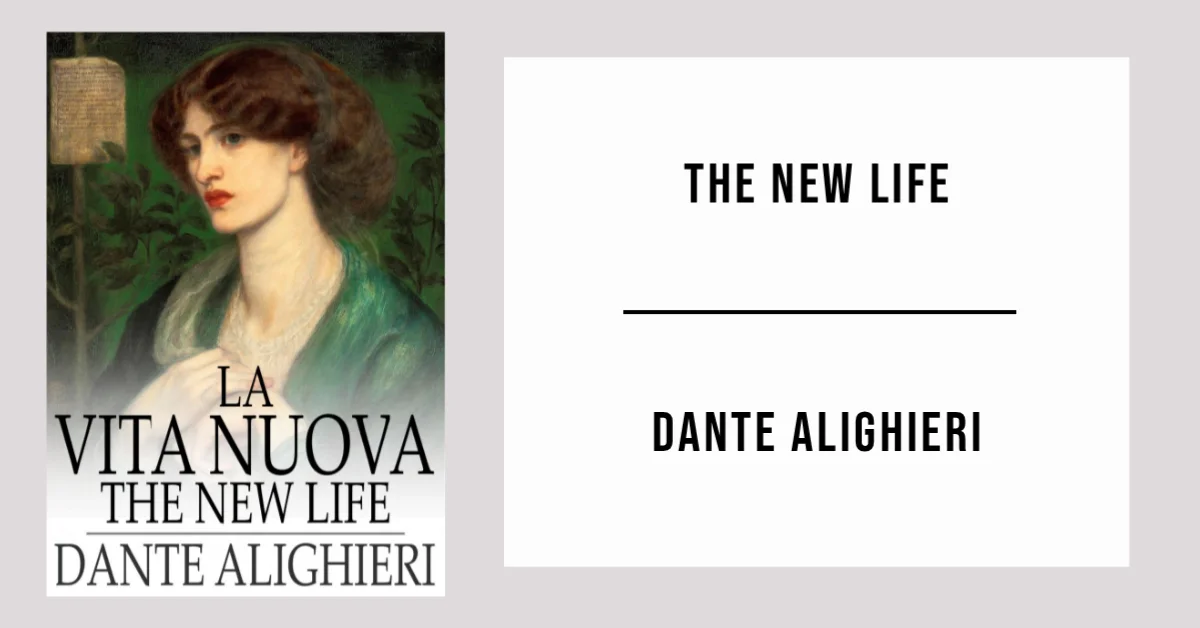
Dante Alighieri wrote The New Life around 1294, creating one of the first works in Western literature to blend autobiography with poetry. It captures his devotion to Beatrice in a way that redefined how love could be expressed on the page.
Download your free PDF and discover how Dante transformed personal longing into universal art. This slim, surprisingly accessible book reads like a poet's diary, mixing thirty-one poems with prose reflections.
Whether you're preparing for the Divine Comedy or simply love lyric poetry, this is the perfect starting point.
The New Life by Dante Alighieri
*Please wait a few seconds for the document to load, the time may vary depending on your internet connection. If you prefer, you can download the file by clicking the link below.
Loading PDF...
Information: The New Life
- Author: Dante Alighieri
- Publication Date: 1294
- Main Characters:
- Dante (the narrator): The autobiographical protagonist and poet who chronicles his all-consuming love for Beatrice and his growth as a writer.
- Beatrice Portinari: The beloved figure whose beauty, virtue, and eventual death inspire Dante's poetry and spiritual transformation.
- The 'screen ladies': Women Dante pretends to court in order to conceal his true feelings for Beatrice from public gossip.
- The 'gentle lady': A compassionate young woman who shows Dante sympathy after Beatrice's death, briefly tempting him away from his devotion.
- Love (Amore): A personified figure who appears in Dante's visions and dreams, guiding and testing his devotion to Beatrice.
- Brief Summary: The New Life follows Dante's love for Beatrice Portinari from their first encounter at age nine through her death and beyond. Structured as a prosimetrum, the work alternates between thirty-one poems (sonnets, ballads, and canzoni) and prose passages that provide narrative context and literary analysis. Dante describes key moments: his trembling first sight of Beatrice, the grief when she withdraws her greeting, and the devastating news of her death. After a period of mourning, he briefly turns his attention to a compassionate "gentle lady," but ultimately recommits to Beatrice's memory. The book ends with Dante's resolution to write nothing more about Beatrice until he can do so in a manner worthy of her, foreshadowing the Divine Comedy.
- Thematic Analysis: The central theme is the transformative power of love, specifically how Dante's devotion to Beatrice elevates him spiritually and poetically. The book also explores the tension between earthly desire and divine grace, with Beatrice gradually becoming a symbol of heavenly virtue rather than a mere romantic interest. Death, memory, and the purpose of poetry itself are recurring concerns that connect this work directly to Dante's later masterpiece.
- Historical Context: Dante composed The New Life around 1292 to 1294, during a period of intense political and cultural activity in Florence. The work belongs to the Dolce Stil Novo movement, a school of Italian poetry that celebrated idealized, spiritualized love and broke away from earlier Provencal traditions. Writing in the Tuscan vernacular rather than Latin was a deliberate, even radical choice that helped establish Italian as a serious literary language.