
The Pink by Brothers Grimm [PDF]
by InfoBooks
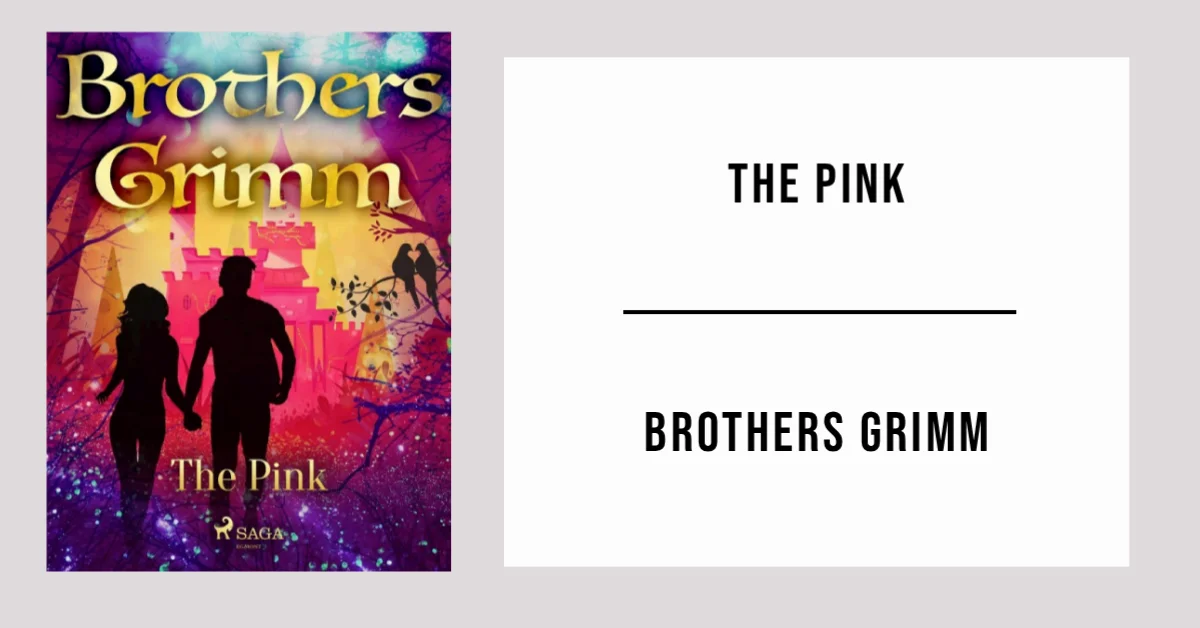
The Pink is a fairy tale from the Brothers Grimm collection about a prince with the extraordinary power to wish for anything. It combines themes of betrayal, hidden identity, and the triumph of good over evil in a compact and satisfying story.
In this tale, a cook's greed sets off a chain of events that separates a royal family for years. Download the free PDF to discover how the prince reclaims his identity and brings justice to those who wronged his mother.
First published in 1812, The Pink (KHM 76) belongs to the Aarne-Thompson tale type 652, stories about boys whose wishes always come true. The Grimm brothers collected it as part of their effort to preserve German oral tradition, and it remains one of the more surprising entries in the collection.
The Pink by Brothers Grimm
*Please wait a few seconds for the document to load, the time may vary depending on your internet connection. If you prefer, you can download the file by clicking the link below.
Loading PDF...
Information: The Pink
- Author: Brothers Grimm
- Publication Date: 1812
- Main Characters:
- The Prince: The son of the king and queen, born with the power to wish for anything. Raised in isolation by the cook, he eventually discovers his true identity and uses his gift to restore justice.
- The Queen: The prince's mother, who was falsely accused and imprisoned in a tower for seven years. She is sustained by doves sent from heaven until her son frees her.
- The Cook: The villain of the story. Driven by greed, he steals the prince, frames the queen, and exploits the boy's wishing power. He is ultimately punished by being transformed into a black poodle.
- The Maiden: A compassionate young woman who refuses to kill the prince despite the cook's threats. She is transformed into a pink flower for safe transport and later restored and married to the prince.
- The King: The prince's father, who is deceived by the cook into believing his son was killed by animals. He imprisons the queen and later dies of grief upon learning the truth.
- Brief Summary: A queen is promised by an angel that she will bear a son with the power to wish for anything. After the boy is born, the palace cook steals him and frames the queen by smearing blood on her clothes. The king, deceived, locks the queen in a tower for seven years while doves sent from heaven keep her alive. The cook raises the prince in secret and exploits his wishing power. When the cook fears exposure, he orders a maiden to kill the boy. She refuses and helps the prince escape. The prince discovers the truth, transforms the cook into a black poodle forced to eat burning coals, and returns home disguised as a huntsman. He frees his mother, reveals his identity at a royal feast, and marries the loyal maiden.
- Thematic Analysis: The central theme is the conflict between greed and compassion. The cook represents unchecked envy and the willingness to destroy others for personal gain. In contrast, the maiden embodies selfless courage, choosing to risk her own life rather than harm an innocent. The prince's wishing power serves as a symbol of potential and divine favor. Unlike many fairy tale heroes who earn their gifts through trials, this prince is born with his ability. The real test is whether those around him will use or abuse that power. The story suggests that goodness, even when temporarily defeated, will find a way back. There is also a quiet meditation on justice. The punishments in the tale are severe but proportional to the crimes. The cook's transformation into a poodle forced to eat coals mirrors the burning cruelty he showed to the queen and prince.
- Historical Context: The Pink (Die Nelke) was first published in 1812 in the first edition of Children's and Household Tales by Jacob and Wilhelm Grimm. It is catalogued as KHM 76 and classified under the Aarne-Thompson tale type 652: the boy whose wishes always come true. The Brothers Grimm collected this story as part of their larger project to preserve German folk traditions during a period of political upheaval in Europe. Many of these tales had been passed down orally for generations before the Grimms committed them to paper. While lesser known than tales like Cinderella or Hansel and Gretel, The Pink reflects the same core values found throughout the collection: virtue is rewarded, wickedness is punished, and the social order is ultimately restored.
Books by Brothers Grimm
Cat and Mouse in Partnership by Brothers Grimm
Cinderella by Brothers Grimm
Hans in Luck by Brothers Grimm
Hansel and Gretel by Brothers Grimm
Jorinde and Joringel by Brothers Grimm
Little Red Riding Hood by Brothers Grimm
Mother Hulda by Brothers Grimm
Old Sultan by Brothers Grimm
Rapunzel by Brothers Grimm
Rumpelstiltskin by Brothers Grimm
Sweetheart Roland by Brothers Grimm
The Dog and the Sparrow by Brothers Grimm
The Elves by Brothers Grimm
The Fisherman and His Wife by Brothers Grimm
The Frog Prince by Brothers Grimm
The Gallant Tailor by Brothers Grimm
The Golden Bird by Brothers Grimm
The Goose Girl by Brothers Grimm
The Mouse, the Bird, and the Sausage by Brothers Grimm
The Peasants Wise Daughter by Brothers Grimm
The Queen Bee by Brothers Grimm
The Robber Bridegroom by Brothers Grimm
The Shoes That Were Danced to Pieces by Brothers Grimm
The Sleeping Beauty by Brothers Grimm
The Straw, the Coal, and the Bean by Brothers Grimm

The Turnip by Brothers Grimm

Tom Thumb by Brothers Grimm
White Snake by Brothers Grimm