
The Prophet by Khalil Gibran [PDF]
by InfoBooks
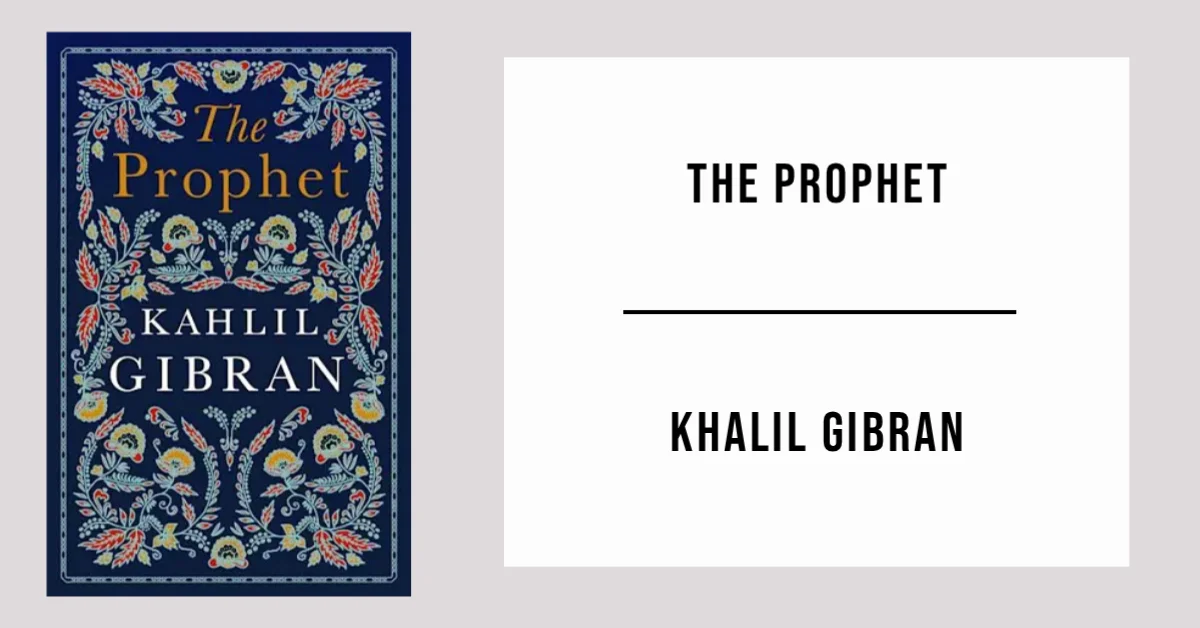
Khalil Gibran wrote The Prophet over several years, distilling a lifetime of philosophical and spiritual reflection into 26 short essays. Published in 1923, it became one of the best-selling books of the 20th century.
Here you can read and download The Prophet in PDF format, completely free. A book that fits in your pocket but stays in your mind for years.
Gibran's poetic prose touches on love, freedom, pain, self-knowledge, and death with a clarity that feels both ancient and personal.
The Prophet by Khalil Gibran
*Please wait a few seconds for the document to load, the time may vary depending on your internet connection. If you prefer, you can download the file by clicking the link below.
Loading PDF...
Download PDF
Verified PDF · Secure download
Information: The Prophet
- Author: Khalil Gibran
- Publication Date: 1923
- Main Characters:
- Almustafa: The prophet and central figure, a wise man who has waited 12 years for his ship to return and take him home. He shares his accumulated wisdom before departing.
- Almitra: A seeress and the first to ask Almustafa to speak. She requests he speak about love, setting the tone for the entire book.
- The People of Orphalese: The townspeople who gather to hear Almustafa's final teachings. They represent humanity seeking guidance on life's essential questions.
- The Ship: A recurring symbol representing destiny, return, and the passage between the known world and the transcendent.
- Brief Summary: The Prophet tells the story of Almustafa, a wise man who has lived 12 years in the city of Orphalese. On the day of his departure, the townspeople ask him to share his wisdom on 26 topics, from love and marriage to work and death. Each response is a poetic essay that blends Eastern mysticism with Western philosophy. The language is simple yet layered, rewarding re-reading. It is structured less like a novel and more like a book of meditations.
- Thematic Analysis: The central themes revolve around the tension between freedom and belonging, joy and sorrow as inseparable forces, and the idea that giving is the truest form of receiving. Gibran presents love not as possession but as a force that directs itself, and work as love made visible. These ideas draw from Sufi, Christian, and Nietzschean influences, creating something that belongs to no single tradition.
- Historical Context: Gibran wrote The Prophet while living in New York as a Lebanese immigrant in the early 20th century. The book arrived at a time when Western readers were hungry for spiritual perspectives beyond orthodox Christianity. Its success reflected a cultural moment open to mysticism, and it became a touchstone for the counterculture movements of the 1960s.