
The Queen Bee by Brothers Grimm [PDF]
by InfoBooks
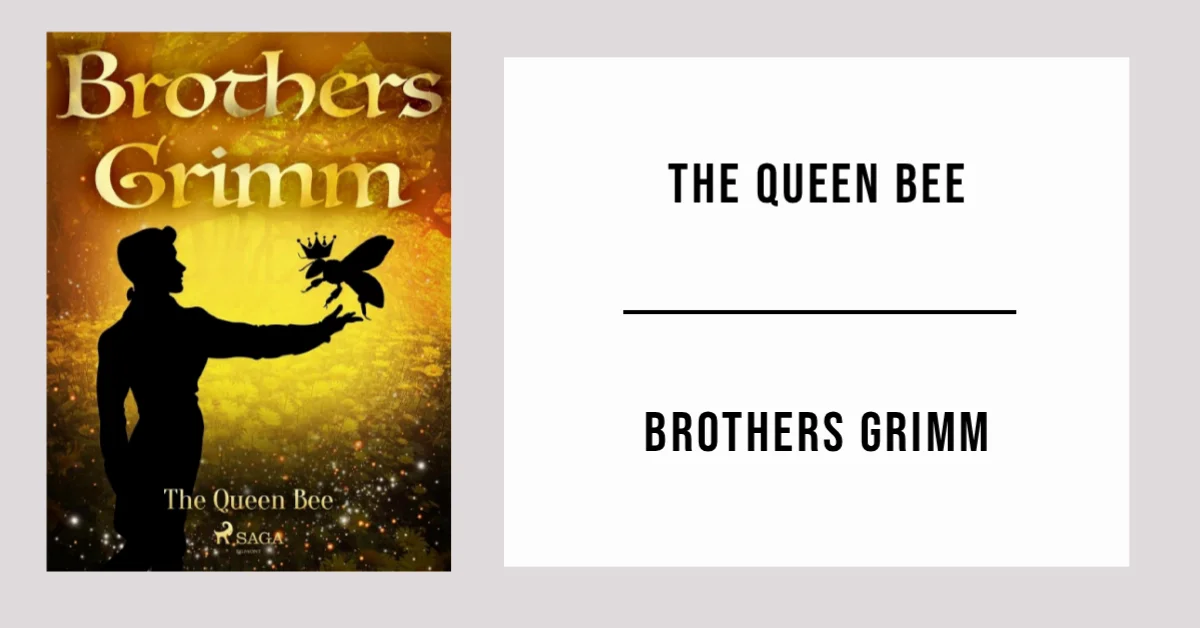
Sometimes the smallest characters carry the biggest lessons. In this Grimm brothers fairy tale, the youngest prince, dismissed as a fool, turns out to be the wisest of all. His secret? Simple kindness toward creatures everyone else overlooks.
The Queen Bee is one of the shorter tales in the Grimm collection, but it packs a lot into a few pages. You can read this free PDF in one sitting and still find yourself thinking about it later. Three tasks, three animal allies, one satisfying ending.
Published in 1812, this story has been retold in dozens of languages and adapted for children worldwide. The Brothers Grimm had a gift for distilling big moral ideas into small, memorable narratives. This tale is a perfect example of that skill.
The Queen Bee by Brothers Grimm
*Please wait a few seconds for the document to load, the time may vary depending on your internet connection. If you prefer, you can download the file by clicking the link below.
Loading PDF...
Information: The Queen Bee
- Author: Brothers Grimm
- Publication Date: 1812-01-01
- Main Characters:
- Simpleton (The Youngest Prince): The youngest of three brothers, dismissed as foolish by his siblings. His compassion toward animals proves to be his greatest strength. He completes the three impossible tasks and becomes king.
- The Two Elder Brothers: The older princes are worldly and confident but lack empathy. They want to destroy the anthill, kill the ducks, and smoke out the bees. They fail the castle's tasks.
- The Grey Old Man: A mysterious figure who guards the enchanted castle. He explains the three tasks that must be completed to break the spell and turns failed princes to stone.
- The Queen Bee: The ruler of the beehive that Simpleton saved from being smoked out. She helps him complete the final and most difficult task: identifying the youngest princess among three identical sleeping sisters.
- The Youngest Princess: The kindest of three enchanted princesses. She ate honey before falling asleep, which allows the queen bee to identify her. She marries Simpleton and they rule the kingdom together.
- Brief Summary: The Queen Bee tells the story of three princes who set out into the world. The two older brothers mock the youngest, Simpleton, for his simple nature. Along the way, Simpleton prevents his brothers from destroying an anthill, killing ducks in a pond, and smoking out a beehive. They arrive at a castle under a spell, where a grey old man explains that three tasks must be completed to break the enchantment. The older brothers fail. Simpleton succeeds with the help of the very creatures he protected: five thousand ants gather scattered pearls, ducks retrieve a key from the lake bottom, and the queen bee identifies the youngest princess among three sleeping sisters. Simpleton marries the youngest princess and eventually becomes king.
- Thematic Analysis: At its core, The Queen Bee is about the value of compassion and humility. Simpleton is underestimated by everyone, yet his instinct to protect rather than destroy is exactly what saves the day. The tale contrasts two approaches to the world: the older brothers see nature as something to dominate or exploit, while Simpleton treats every creature as worthy of respect. The fairy tale also explores the theme of reciprocity. Kindness is not wasted; it circles back in unexpected ways. The ants, ducks, and queen bee repay their debt not out of obligation but because Simpleton earned their loyalty. There is also a quiet commentary on what true wisdom looks like. Intelligence and worldliness fail where gentleness succeeds.
- Historical Context: The Queen Bee was first published in 1812 as tale number 62 in the first volume of "Kinder- und Hausmarchen" (Children's and Household Tales) by Jacob and Wilhelm Grimm. The Brothers Grimm collected this story as part of their broader effort to preserve German oral folklore during the early 19th century. The tale reflects common motifs in European fairy tales: the "simpleton" youngest child who triumphs, animal helpers who repay kindness, and enchanted castles with magical tasks. These motifs appear across many cultures, suggesting deep roots in shared storytelling traditions. The Grimm brothers revised their collection through seven editions between 1812 and 1857, but The Queen Bee remained largely unchanged, a sign that they considered it well-formed from the start.
Books by Brothers Grimm
Cat and Mouse in Partnership by Brothers Grimm
Cinderella by Brothers Grimm
Hans in Luck by Brothers Grimm
Hansel and Gretel by Brothers Grimm
Jorinde and Joringel by Brothers Grimm
Little Red Riding Hood by Brothers Grimm
Mother Hulda by Brothers Grimm
Old Sultan by Brothers Grimm
Rapunzel by Brothers Grimm
Rumpelstiltskin by Brothers Grimm
Sweetheart Roland by Brothers Grimm
The Dog and the Sparrow by Brothers Grimm
The Elves by Brothers Grimm
The Fisherman and His Wife by Brothers Grimm
The Frog Prince by Brothers Grimm
The Gallant Tailor by Brothers Grimm
The Golden Bird by Brothers Grimm
The Goose Girl by Brothers Grimm
The Mouse, the Bird, and the Sausage by Brothers Grimm
The Peasants Wise Daughter by Brothers Grimm
The Pink by Brothers Grimm
The Robber Bridegroom by Brothers Grimm
The Shoes That Were Danced to Pieces by Brothers Grimm
The Sleeping Beauty by Brothers Grimm
The Straw, the Coal, and the Bean by Brothers Grimm
The Turnip by Brothers Grimm
Tom Thumb by Brothers Grimm
White Snake by Brothers Grimm