
The Robber Bridegroom by Brothers Grimm [PDF]
by InfoBooks
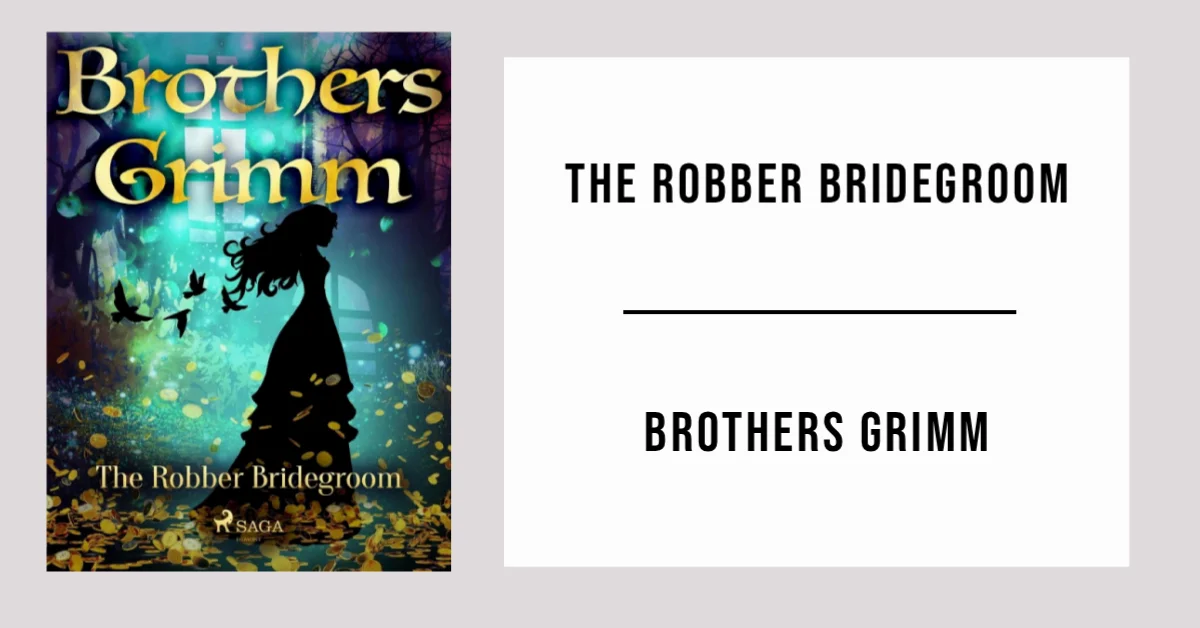
A bride discovers her future husband is a murderer hiding in the forest, and she has to outsmart him to survive. The Robber Bridegroom is one of the grimmest tales in the Brothers Grimm collection, a story where the heroine saves herself through cleverness and nerve.
Download your free PDF and discover a fairy tale where the real danger isn't a dragon or a curse, but the person standing at the altar. This story reads more like a thriller than a bedtime story, with tension that builds from the first page.
Written in 1812, it remains one of the most compelling examples of how fairy tales were originally told: dark, direct, and unflinching. A quick read that stays with you longer than you expect.
The Robber Bridegroom by Brothers Grimm
*Please wait a few seconds for the document to load, the time may vary depending on your internet connection. If you prefer, you can download the file by clicking the link below.
Loading PDF...
Information: The Robber Bridegroom
- Author: Brothers Grimm
- Publication Date: 1812
- Main Characters:
- The Miller's Daughter: The heroine of the story. Brave and resourceful, she follows her instincts despite social pressure and uses her own wits to expose her murderous bridegroom at the wedding feast.
- The Robber Bridegroom: A seemingly wealthy suitor who is actually the leader of a gang of thieves and murderers living in a house deep in the forest.
- The Old Woman: A captive in the robber's house who warns the bride and helps her hide. She drugs the robbers with sleeping potion to enable their escape.
- The Miller: The bride's father, who arranges the marriage. He represents the social conventions that nearly deliver his daughter into danger.
- Brief Summary: A miller's daughter is promised in marriage to a wealthy suitor, but she feels an unexplained dread whenever she sees him. At his request, she visits his house deep in a dark forest, leaving a trail of lentils and ashes to find her way back. Inside, she discovers the house is a den of robbers who murder travelers. An old woman hiding there warns her and helps her conceal herself. She watches in horror as the gang brings in another young woman, kills her, and chops off a finger to get a golden ring. The finger lands in the bride's lap. The old woman drugs the robbers with sleeping potion, and the two women escape. At the wedding feast, the bride tells the whole story as if recounting a dream, then produces the severed finger as proof. The bridegroom is seized and executed.
- Thematic Analysis: The tale explores the danger of appearances and the gap between social respectability and hidden violence. The bridegroom presents himself as wealthy and proper, but behind the facade lies something predatory. The heroine's strength comes not from physical power but from observation, patience, and the courage to speak the truth publicly. It also carries a sharp message about trust: sometimes fear is information, not weakness.
- Historical Context: The Brothers Grimm first published this tale in 1812 as part of their landmark collection Children's and Household Tales. Like many stories in the collection, it was drawn from oral folk traditions in Germany. The tale belongs to a broader European tradition of stories about murderous bridegrooms, with parallels in Perrault's Bluebeard and the English ballad Mr. Fox. The Grimms' version stands out for giving the heroine full agency in exposing and defeating the villain.
Books by Brothers Grimm
Cat and Mouse in Partnership by Brothers Grimm
Cinderella by Brothers Grimm
Hans in Luck by Brothers Grimm
Hansel and Gretel by Brothers Grimm
Jorinde and Joringel by Brothers Grimm
Little Red Riding Hood by Brothers Grimm
Mother Hulda by Brothers Grimm
Old Sultan by Brothers Grimm
Rapunzel by Brothers Grimm
Rumpelstiltskin by Brothers Grimm
Sweetheart Roland by Brothers Grimm
The Dog and the Sparrow by Brothers Grimm
The Elves by Brothers Grimm
The Fisherman and His Wife by Brothers Grimm
The Frog Prince by Brothers Grimm
The Gallant Tailor by Brothers Grimm
The Golden Bird by Brothers Grimm
The Goose Girl by Brothers Grimm
The Mouse, the Bird, and the Sausage by Brothers Grimm
The Peasants Wise Daughter by Brothers Grimm
The Pink by Brothers Grimm
The Queen Bee by Brothers Grimm
The Shoes That Were Danced to Pieces by Brothers Grimm
The Sleeping Beauty by Brothers Grimm
The Straw, the Coal, and the Bean by Brothers Grimm
The Turnip by Brothers Grimm
Tom Thumb by Brothers Grimm
White Snake by Brothers Grimm