
The Sleeping Beauty by Brothers Grimm [PDF]
by InfoBooks
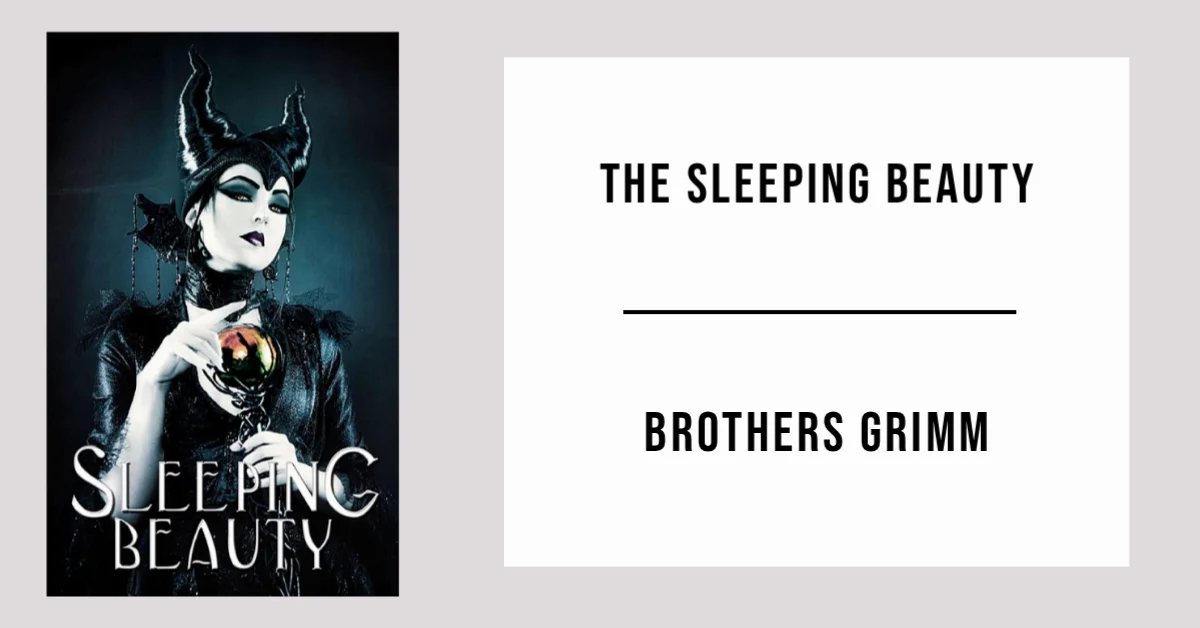
First published in 1812, the Brothers Grimm gave us a version of Sleeping Beauty stripped down to its essentials. No unnecessary twists, no filler, just a curse, a century of waiting, and a perfectly timed rescue. Their telling, originally called "Little Briar Rose," focuses on fate, patience, and the limits of control.
The princess is cursed at her own christening, the king tries everything to prevent it, and fate wins anyway. The entire kingdom sleeps for a hundred years until a prince walks through the thorns at exactly the right time.
You can read this classic fairy tale right now in free PDF format. The Grimm version is shorter and more direct than Perrault's earlier French telling. There is no ogre mother-in-law, no second half full of danger. The story ends with the kiss and the awakening.
That simplicity is what gives it lasting power. Every element serves the story, and nothing distracts from the central theme: some curses can only be broken by time.
This tale has shaped how we think about fairy tales for over two centuries. It has been adapted into ballets, films, and countless retellings, but the Grimm original remains surprisingly lean and effective. If you want to see where the modern Sleeping Beauty story really began, this is the version to read.
The Sleeping Beauty by Brothers Grimm
*Please wait a few seconds for the document to load, the time may vary depending on your internet connection. If you prefer, you can download the file by clicking the link below.
Loading PDF...
Information: The Sleeping Beauty
- Author: Brothers Grimm
- Publication Date: 1812
- Main Characters:
- The Princess (Briar Rose): The beautiful daughter of the king and queen, cursed at birth by the thirteenth wise woman to prick her finger on a spindle and fall into a hundred-year sleep. She is gentle, curious, and ultimately the center around which the entire story revolves.
- The King: The princess's father, who desperately tries to prevent the curse by ordering every spindle in the kingdom destroyed. His efforts prove futile, showing that fate cannot be avoided through force alone.
- The Queen: The princess's mother, who longed for a child and was given the prophecy of her daughter's birth by a frog. She shares the joy and sorrow of parenthood alongside the king.
- The Thirteenth Wise Woman: The uninvited fairy who curses the princess out of spite for being excluded from the celebration. She represents the danger of slights and the unpredictable power of those who feel wronged.
- The Twelfth Wise Woman: The fairy who softens the curse, changing death into a hundred years of sleep. She cannot undo the thirteenth's spell entirely but offers hope through her modification.
- The Prince: A young prince who arrives exactly when the hundred years have passed. He bravely enters the thorn-covered castle, finds the sleeping princess, and wakes her with a kiss, breaking the enchantment over the entire kingdom.
- Brief Summary: A king and queen finally have a daughter, and twelve wise women are invited to bless her at a great feast. A thirteenth wise woman, uninvited and furious, curses the child to prick her finger on a spindle and die at age fifteen. The twelfth wise woman softens the curse to a hundred years of sleep. The king orders all spindles destroyed, but on her fifteenth birthday, the princess discovers an old woman spinning in a tower, touches the spindle, and falls into a deep sleep. The entire castle sleeps with her, and a hedge of thorns grows around it. Many princes try to break through over the years and fail. Exactly one hundred years later, a prince arrives, the thorns turn into flowers, and he finds the princess. He kisses her, she awakens, and the whole castle comes back to life. They marry and live happily.
- Thematic Analysis: The story explores fate and the futility of trying to avoid it. The king destroys every spindle in the kingdom, yet the curse still comes true. This theme resonates across cultures: what is meant to happen will happen regardless of human intervention. Patience and timing form the second major theme. The prince who succeeds is not braver or stronger than those who failed before him. He simply arrives at the right time. The thorns that killed others become flowers for him. The story suggests that forcing outcomes leads to failure, while waiting for the right moment brings success. There is also a theme of exclusion and its consequences. The entire conflict begins because one wise woman was left out of the celebration. A small slight leads to a century-long curse, reminding readers that overlooking someone can have outsized consequences.
- Historical Context: The Brothers Grimm, Jacob and Wilhelm, published "Little Briar Rose" in the first edition of their Children's and Household Tales in 1812. They were German academics and linguists who collected folk tales from oral storytellers across the German-speaking world as part of a broader effort to preserve cultural heritage during a time of political upheaval in Europe. The Sleeping Beauty story, however, predates the Grimms by centuries. Charles Perrault published "La Belle au bois dormant" in 1697, and an even earlier version by Giambattista Basile, "Sun, Moon, and Talia" (1634), contains much darker elements. The Grimm brothers simplified the narrative, removing Perrault's violent second half involving a cannibalistic mother-in-law and Basile's more troubling elements. Their version became the standard in the German-speaking world and strongly influenced later adaptations, including Tchaikovsky's ballet (1890) and Disney's animated film (1959). The tale reflects the Romantic era's interest in folk traditions, the supernatural, and the idea that nature and fate operate beyond human control.
Books by Brothers Grimm
Cat and Mouse in Partnership by Brothers Grimm
Cinderella by Brothers Grimm
Hans in Luck by Brothers Grimm
Hansel and Gretel by Brothers Grimm
Jorinde and Joringel by Brothers Grimm
Little Red Riding Hood by Brothers Grimm
Mother Hulda by Brothers Grimm
Old Sultan by Brothers Grimm
Rapunzel by Brothers Grimm
Rumpelstiltskin by Brothers Grimm
Sweetheart Roland by Brothers Grimm
The Dog and the Sparrow by Brothers Grimm
The Elves by Brothers Grimm
The Fisherman and His Wife by Brothers Grimm
The Frog Prince by Brothers Grimm
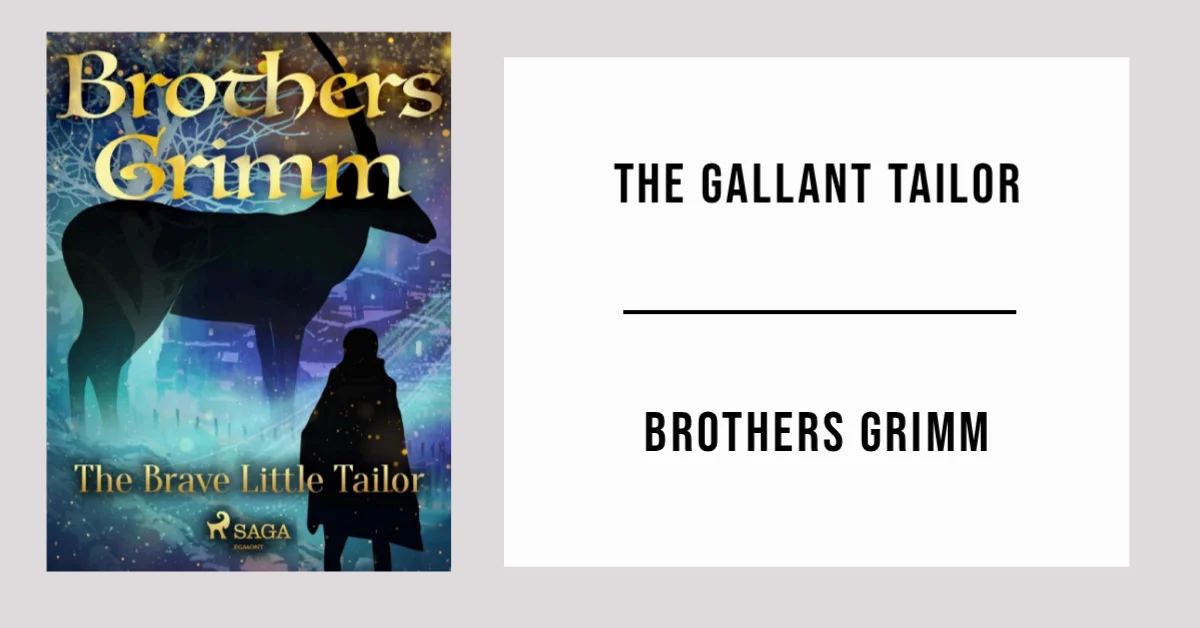
The Gallant Tailor by Brothers Grimm
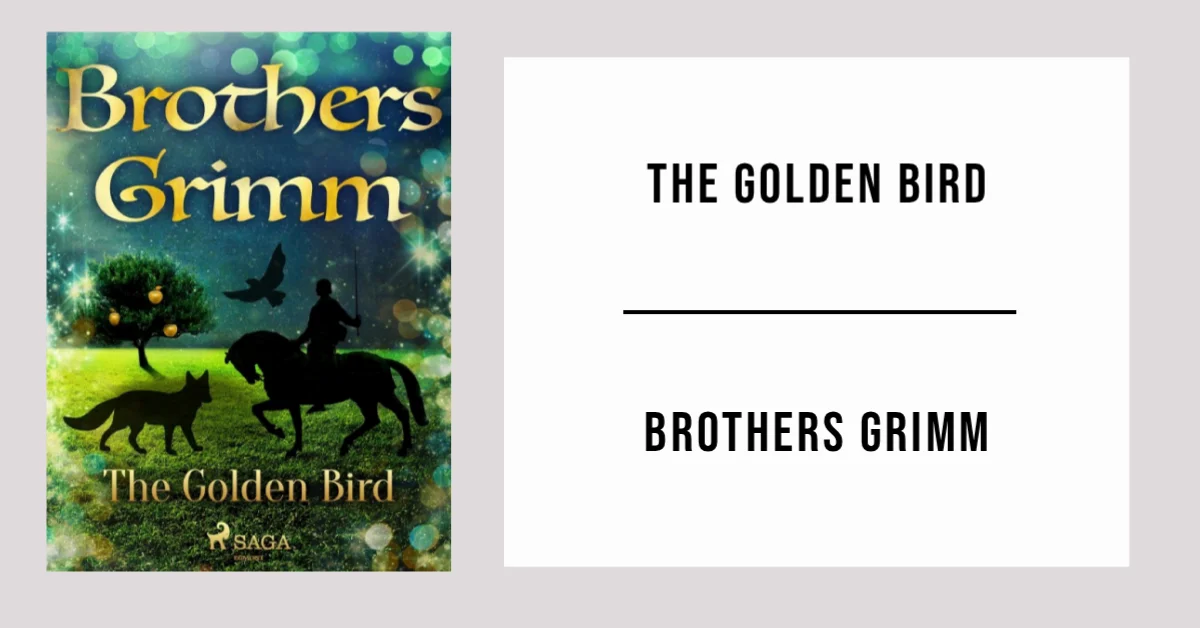
The Golden Bird by Brothers Grimm
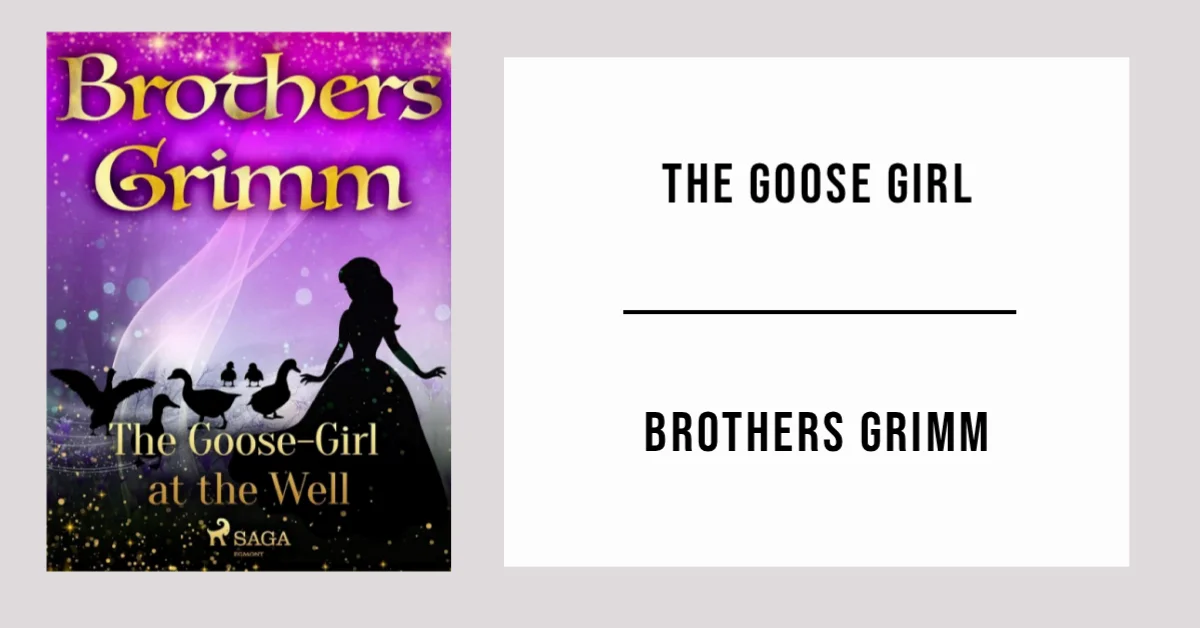
The Goose Girl by Brothers Grimm
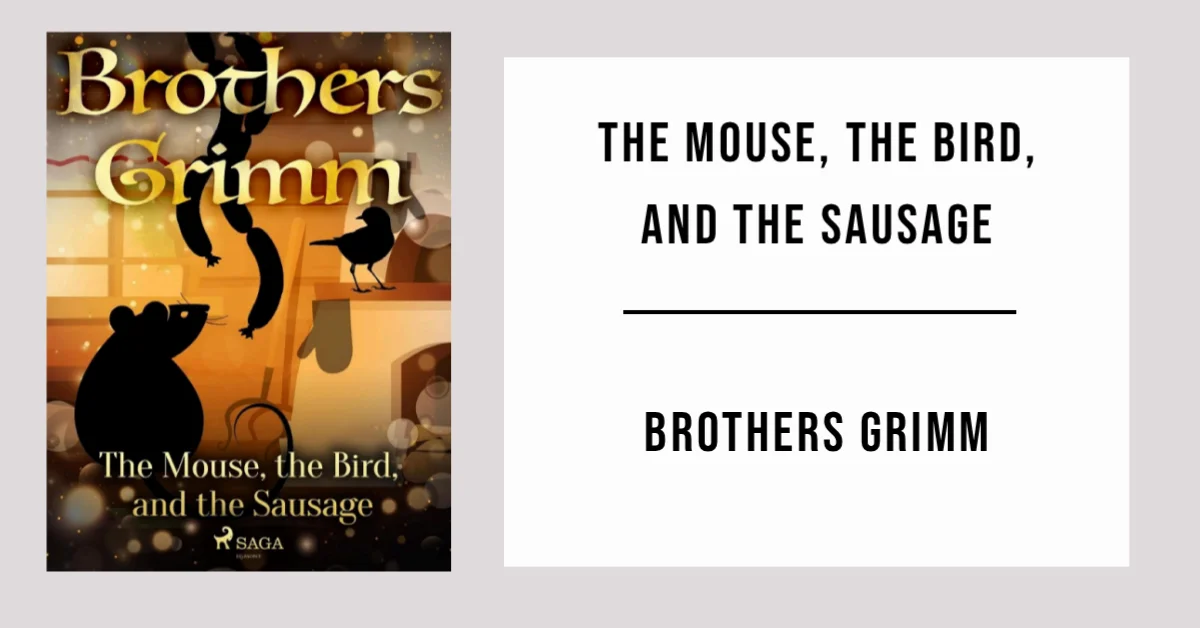
The Mouse, the Bird, and the Sausage by Brothers Grimm
The Peasants Wise Daughter by Brothers Grimm
The Pink by Brothers Grimm
The Queen Bee by Brothers Grimm
The Robber Bridegroom by Brothers Grimm
The Shoes That Were Danced to Pieces by Brothers Grimm
The Straw, the Coal, and the Bean by Brothers Grimm
The Turnip by Brothers Grimm
Tom Thumb by Brothers Grimm
White Snake by Brothers Grimm