
This Side of Paradise by F. Scott Fitzgerald [PDF]
by InfoBooks
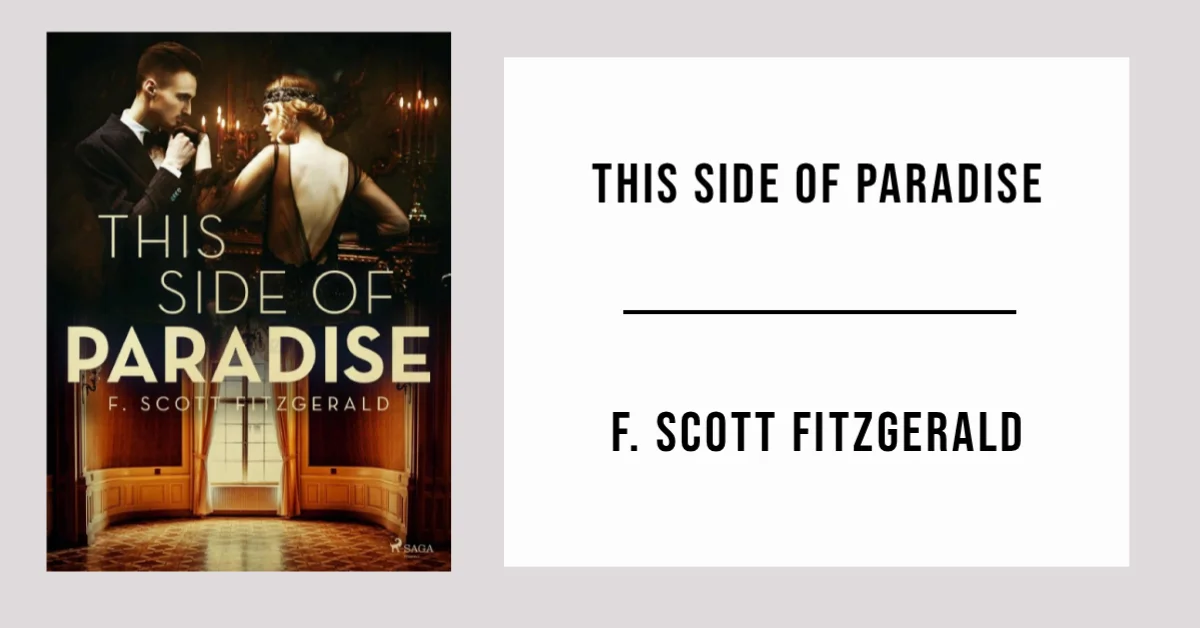
F. Scott Fitzgerald wrote This Side of Paradise at just 23, and it became the novel that launched the Jazz Age in American literature.
Download the free PDF and discover a story that dissects ambition, love, and self-discovery with a freshness that still feels modern over a century later.
Whether you're drawn to Fitzgerald's prose or curious about the roots of the Lost Generation, this is a perfect place to start.
This Side of Paradise by F. Scott Fitzgerald
*Please wait a few seconds for the document to load, the time may vary depending on your internet connection. If you prefer, you can download the file by clicking the link below.
Loading PDF...
Information: This Side of Paradise
- Author: F. Scott Fitzgerald
- Publication Date: 1920
- Main Characters:
- Amory Blaine: The protagonist, a privileged and self-aware young man who moves from youthful narcissism through romantic heartbreak toward a fragile sense of self-knowledge.
- Rosalind Connage: A beautiful and pragmatic debutante who loves Amory but ultimately chooses a wealthier suitor, breaking his heart and triggering his deepest crisis.
- Isabelle Borge: Amory's first significant love interest, a charming socialite whose relationship with him fizzles when vanity clashes on both sides.
- Monsignor Darcy: A Catholic priest and mentor figure who guides Amory intellectually and spiritually, serving as the moral anchor of the novel.
- Burne Holiday: A Princeton classmate who evolves from a conventional student into a radical pacifist, representing the ideological upheavals of the era.
- Brief Summary: This Side of Paradise follows Amory Blaine, a young man from a wealthy Midwestern family, as he grows from a self-absorbed adolescent into a disillusioned adult. At Princeton, he cultivates literary ambitions and forms intense friendships that shape his worldview. His romantic relationships, particularly with Isabelle Borge and Rosalind Connage, reveal his deep need for validation and his struggle to reconcile idealism with reality. After the war and a string of personal losses, Amory finds himself financially broken and emotionally adrift. The novel ends with his famous declaration, 'I know myself, but that is all,' marking a hard-won, if incomplete, self-awareness.
- Thematic Analysis: The novel explores the tension between youthful idealism and the compromises of adult life, with Amory constantly torn between romantic ambition and intellectual honesty. Class, wealth, and social status run through every relationship, exposing how deeply money shapes love and self-worth in early twentieth-century America. Fitzgerald also examines the search for identity itself, questioning whether self-knowledge is a prize or simply what remains after everything else is stripped away.
- Historical Context: Fitzgerald completed This Side of Paradise in 1919 and it was published in March 1920, just as the United States was entering the freewheeling post-war decade that would become known as the Roaring Twenties. The novel drew heavily on Fitzgerald's own experiences at Princeton and his courtship of Zelda Sayre, who agreed to marry him only after the book's acceptance guaranteed financial prospects. Its publication coincided with Prohibition, the rise of consumer culture, and a generational shift in attitudes toward morality, making it one of the earliest literary documents of the Jazz Age.
Books by F. Scott Fitzgerald
Flappers and Philosophers by F. Scott Fitzgerald
Tales of the Jazz Age by F. Scott Fitzgerald
Tarquin of Cheapside by F. Scott Fitzgerald
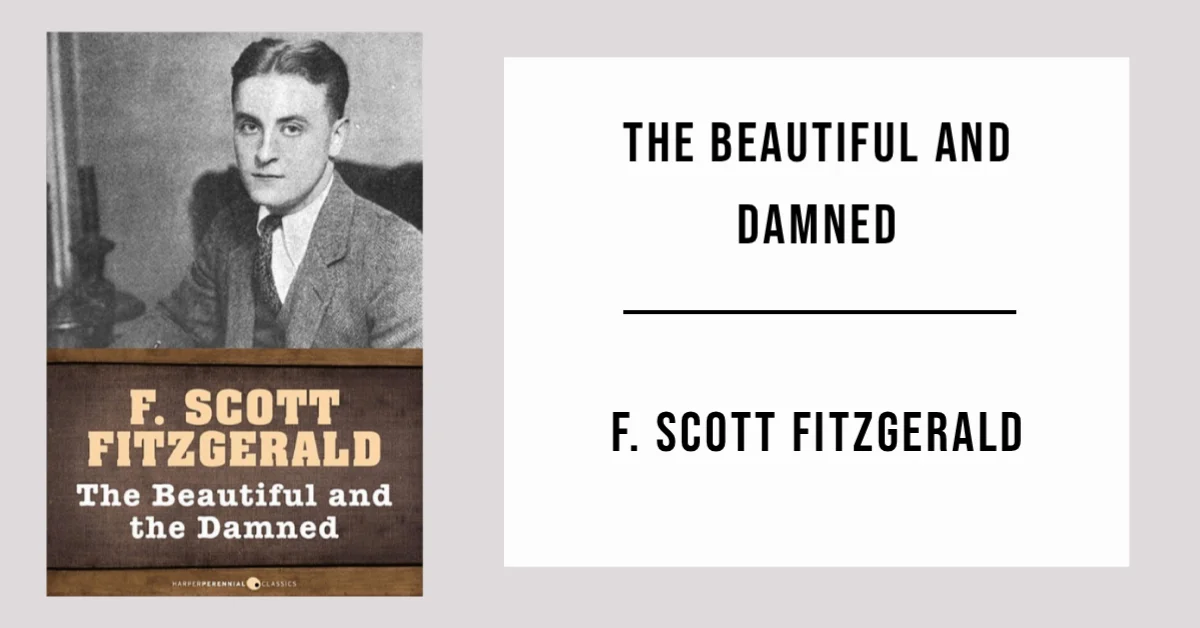
The Beautiful and Damned by F. Scott Fitzgerald
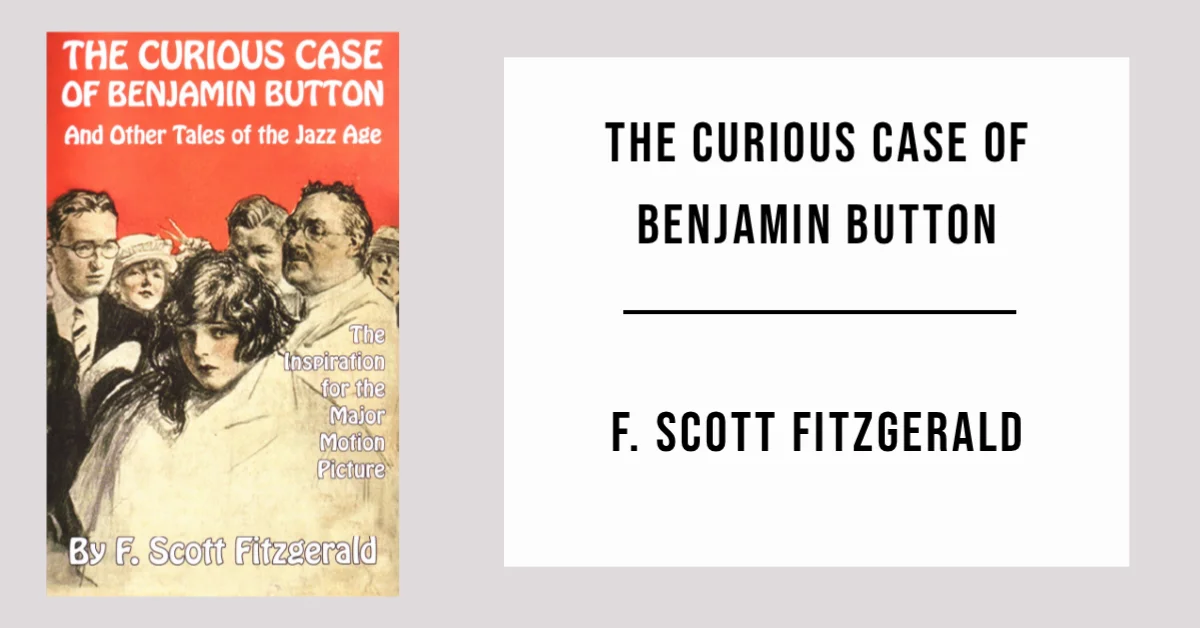
The Curious Case of Benjamin Button by F. Scott Fitzgerald
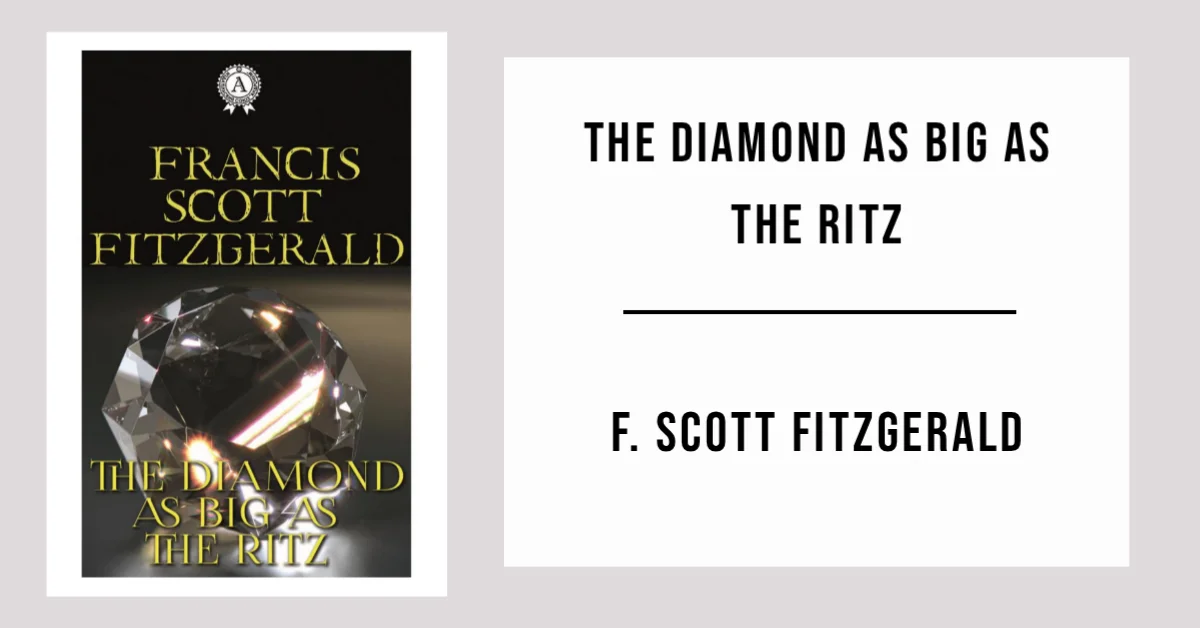
The Diamond As Big As The Ritz by F. Scott Fitzgerald
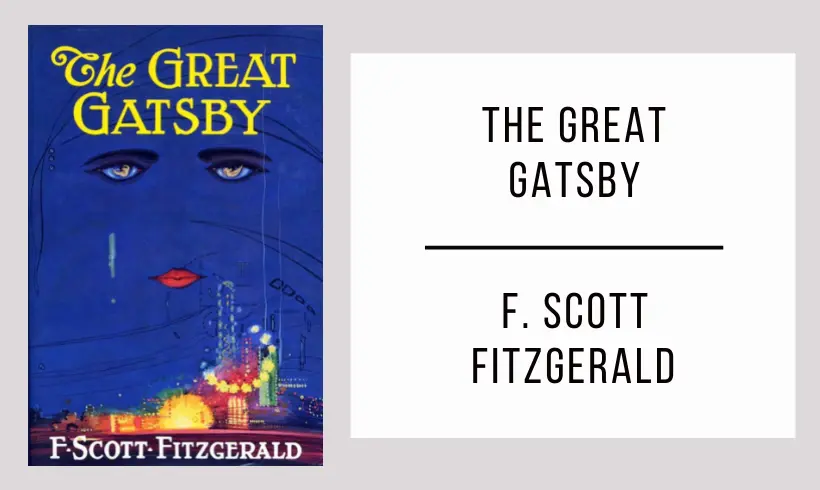
The Great Gatsby by F. Scott Fitzgerald