Looking for life-changing books in PDF? We curated 25 classics across Stoicism, Eastern philosophy, classic self-help, New Thought, and transcendentalism.
These books reshaped how people think for centuries. From Marcus Aurelius and Seneca to Lao Tzu, the Bhagavad-Gita, Thoreau, and Nietzsche.
Every title is in the public domain and free to read online or download. No registration, no fees.
📚
Download every book on this page in one click
Sign in with Google and grab them all without going one by one.
We will redirect you to accounts.google.com to complete sign-in.
Email and name only · We never send spam
Access unlocked
Download every book on this page in one click
Get them all together, without going one by one.
Direct download · One ZIP file
Download started. Check your downloads folder for the ZIP.
Stoicism
Top 5 Stoic Classics for Hard Times
The Stoics taught how to stay calm when life does not go your way. These five books, written nearly two thousand years ago, still read like advice for next Monday morning.
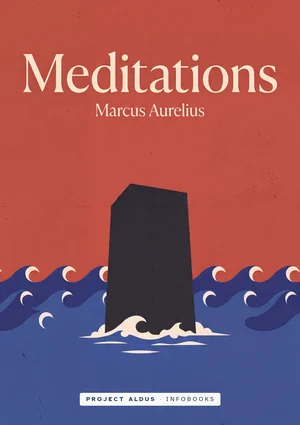
Personal notes Emperor Marcus Aurelius wrote to himself between military campaigns, distilling Stoic principles into terse reminders about duty, perspective, and the brevity of life.
The handbook of Epictetus collects the practical Stoic teachings of a former slave turned philosopher, organized around what is in our control and what is not.
Seneca argues that life is long enough if used wisely. He shows how distraction, anxiety, and the demands of others rob us of time that was always our own.
One hundred and twenty four letters Seneca wrote to his friend Lucilius, covering daily Stoic practice, friendship, fear of death, and how to live a thoughtful life under any conditions.
A short philosophical tale by Voltaire about a man who resolves to live by pure reason. By the end of a single day, every part of his plan has fallen apart.
The foundational text of Taoism in 81 short chapters, translated by James Legge. Reads like a manual for ruling, leading, and living in alignment with the way of things.
Sun Tzus thirteen chapters on strategy, deception, terrain, and timing. Written for ancient generals, still applied today to business, leadership, and personal conflict.
The Song Celestial, Sir Edwin Arnolds verse translation of Hindu scripture in which Krishna counsels Arjuna on duty, action, and the nature of the self.
A collection of 423 verses attributed to the Buddha, translated by Max Müller from the original Pali. Each line condenses a teaching on conduct, mind, and the path to peace.
Before self-help was an industry, it was a movement. These five books built the foundation: turn your own thought into action, take responsibility, get to work.
Samuel Smiles 1859 classic that defined the genre, built around hundreds of biographical sketches of inventors, artists, and self made figures who succeeded through perseverance.
Orison Swett Mardens encyclopedic guide to success under difficulty, drawing on the lives of eminent persons to illustrate every quality required to advance in the world.
James Allens compact meditation on the idea that a person is literally what he thinks. Twenty pages on how thought shapes character, circumstance, and outcome.
Wallace Wattles 1910 work argues that wealth follows from acting in a certain way: thinking with purpose, behaving with gratitude, and choosing the right work.
A 24 part correspondence course written by Charles Haanel in 1912 that walks the reader through weekly mental exercises in concentration, visualization, and constructive thought.
Top 5 Books on Mindset and Inner Power (New Thought)
The New Thought writers believed your inner life shapes your outer one. Take them as philosophy or as practical exercise, and they will change how you watch your own mind.
A study of the seven Hermetic principles attributed to ancient Egyptian and Greek wisdom. Compact, axiomatic, and influential across the Western esoteric tradition.
William Walker Atkinsons treatise on the Mental Magic at work behind influence, intuition, and personal will. Covers the dynamics of thought transmission and inner power.
Arnold Bennetts brisk argument that we all get the same 24 hours and that the difference comes from how we spend the 16 outside our paid work. A short, practical case for self education.
Pascals unfinished defence of the Christian faith, published after his death. Translated by W. F. Trotter and organized around fragments that range from the famous Wager to the misery of man without God.
Thoreaus account of two years spent alone in a cabin near Concord, Massachusetts. Part nature writing, part economic critique, part argument for living deliberately.
Friedrich Nietzsches philosophical novel, translated by Thomas Common. Told through the parables and speeches of a prophet who returns from the mountains to teach the overman.
Charles Dickens 1843 novella in which the miser Ebenezer Scrooge is visited by four ghosts on Christmas Eve and is given the chance to change the course of his remaining life.
Send this page to someone who’d love to read it. Everything is free, no sign-up needed.
Esc
Start typing to search...
Searching...
No results found
Try different search terms
Your book is downloading!
If InfoBooks helped you, you can support us in one click: add us as a preferred source on Google. You'll see more of our books when you search, and you'll help us keep sharing free reading with everyone.
Done! Your book is downloading
Know someone who’d enjoy reading it? Send them this page. It’s free, no sign-up needed, and you help us spread the love of reading.