15 Free Saint Augustine Books [PDF]
by InfoBooks
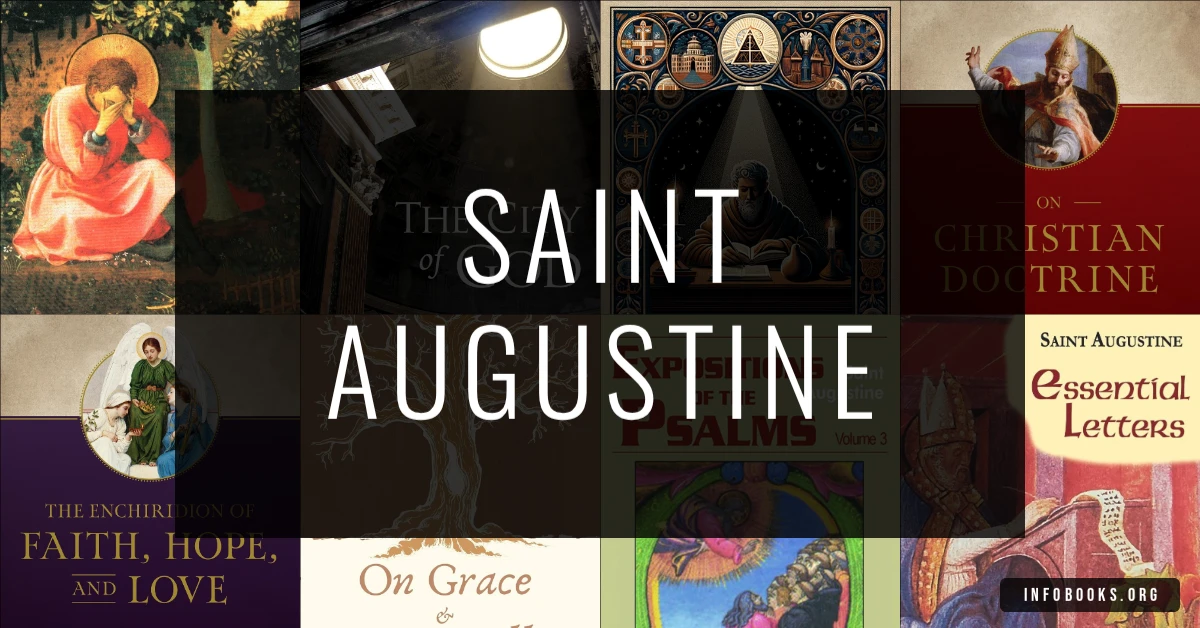
Looking for Saint Augustine books? Augustine of Hippo (354 to 430), also known as St. Augustine, was a North African bishop and a Doctor of the Church whose writings shaped Western Christianity.
This collection gathers 15 of his works in free PDF, from the Confessions and The City of God to On the Trinity and his sermons. You'll also find his writings against Pelagius and the Manichaeans, and the Latin original of the Confessions.
Every book is free to read online or download as PDF. Not sure where to begin? Start with the Confessions, the most personal book he ever wrote.
Download every book on this page in one click
Sign in with Google and grab them all without going one by one.
We will redirect you to accounts.google.com to complete sign-in.
Email and name only · We never send spam
Download every book on this page in one click
Get them all together, without going one by one.
Direct download · One ZIP file
Download started. Check your downloads folder for the ZIP.
Confessions and Spiritual Writings
Augustine wrote the Confessions around 397, telling the story of his restless youth in Carthage and his conversion in Milan. Here you'll find two English translations, the Latin original and the Soliloquies, his inner dialogue with Reason.
The City of God and Doctrinal Works
When the Goths sacked Rome in 410, Augustine answered the pagans with The City of God, his contrast between the earthly city and the city of God. Next to it are On the Trinity, On Christian Doctrine and the Enchiridion, a short handbook on faith, hope and love.
Writings Against Pelagius, the Manichaeans and the Donatists
Augustine's ideas on grace, free will and original sin took shape in debate with the Manichaeans, the Donatists and the monk Pelagius. These volumes collect those treatises, which later fed the debates of Luther and Calvin.
Sermons, Letters and Biblical Commentaries
As bishop of Hippo, Augustine preached almost every week for more than thirty years, from the Gospel of John to all 150 Psalms. The section closes with his letters, including his exchanges with Jerome.
Augustine died in 430 while the Vandals besieged Hippo, but his library survived. Sixteen centuries later, readers still find themselves in the Confessions.
Want more thinkers from the ancient world? Explore our collection of classic authors books, with Plato, Seneca, Dante and many more.
You Might Also Like

Theology Books
God, doctrine, faith. The systematic study of religious beliefs.
Books by Famous Philosophers
Famous philosophers, classic works, history of ideas. Primary texts by great thinkers, sorted by era from Plato to Nietzsche.

Christian Books
Jesus, gospel, faith. Books about Christianity and Christian living.
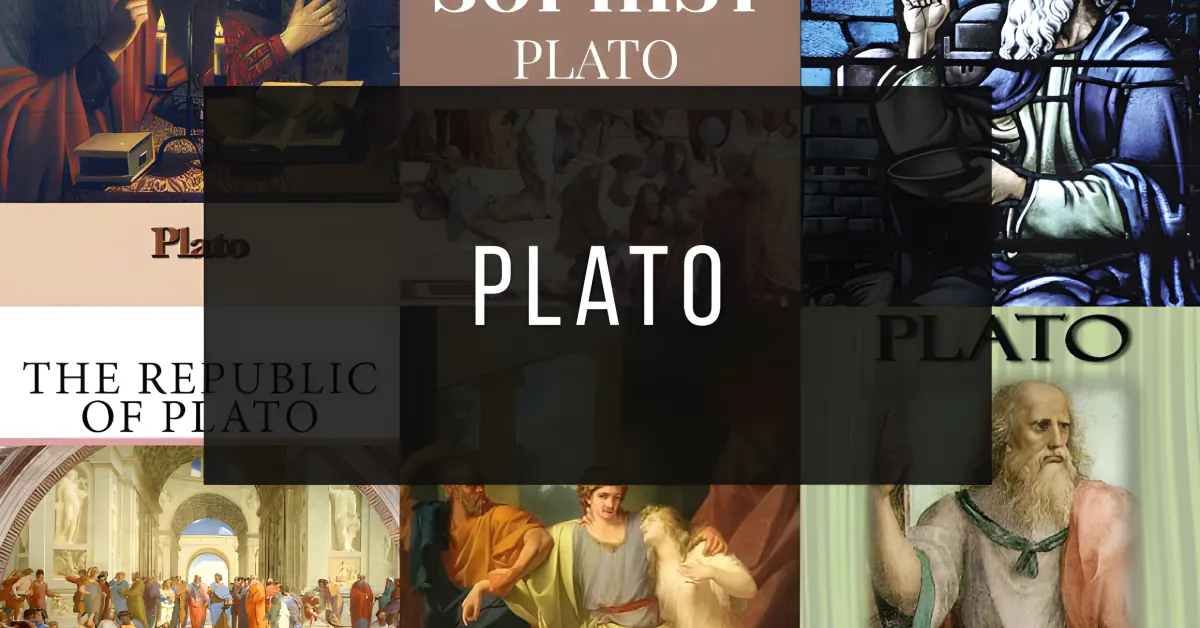
Plato Books
Athenian philosopher and founder of the Academy. Plato wrote dialogues where Socrates questions everything: justice, beauty, truth. Twenty-five centuries later, his questions are still ours.
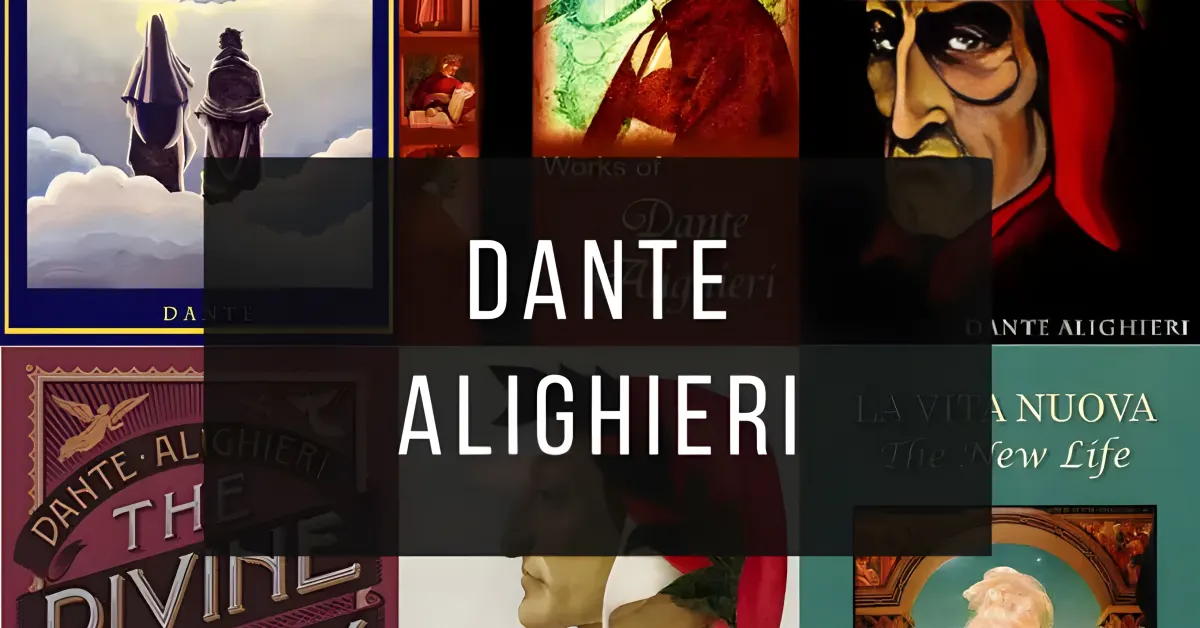
Dante Alighieri Books
Florentine poet of the 13th century, Dante wrote The Divine Comedy, a journey through Hell, Purgatory, and Paradise. A text that shaped the Italian language and European literature.