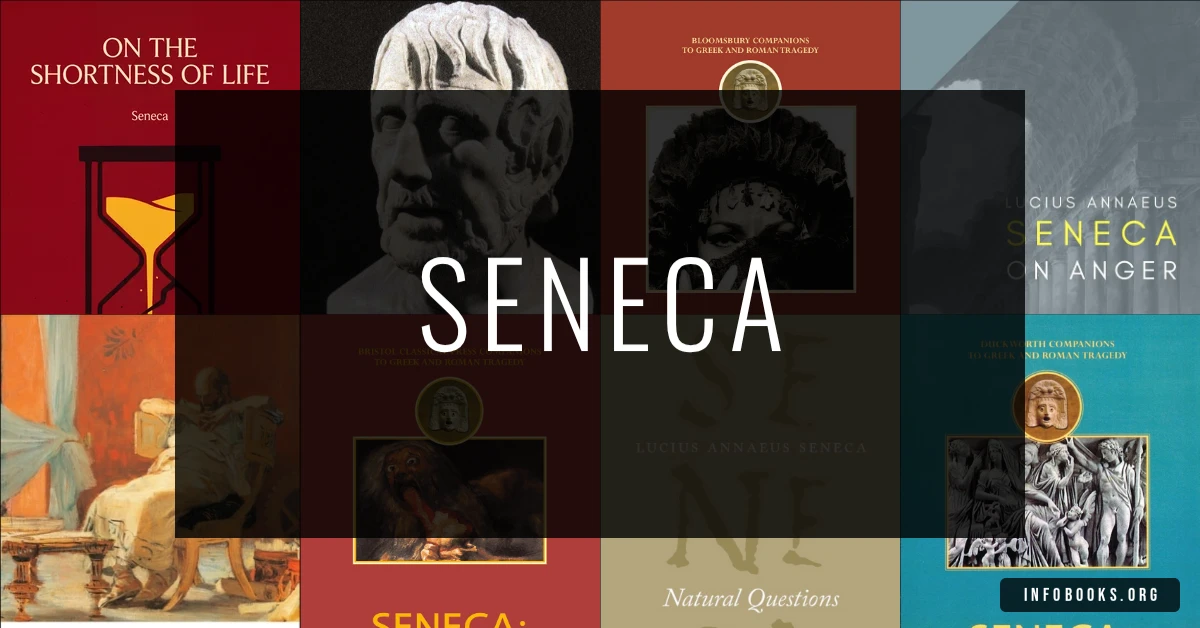
Looking for Seneca books you can read for free? Lucius Annaeus Seneca (c. 4 BC to AD 65) was a Roman Stoic philosopher, playwright and advisor to Emperor Nero.
This collection gathers 15 of his works in free PDF, from Letters from a Stoic to On Anger and On the Shortness of Life. You also get the tragedies he wrote in Rome's Silver Age, plays that later shaped Renaissance drama.
Every book is free to read online or download as PDF. Start with one letter: most take five minutes, and you'll want the next one.
📚
Download every book on this page in one click
Sign in with Google and grab them all without going one by one.
We will redirect you to accounts.google.com to complete sign-in.
Email and name only · We never send spam
Access unlocked
Download every book on this page in one click
Get them all together, without going one by one.
Direct download · One ZIP file
Download started. Check your downloads folder for the ZIP.
Letters
Letters from a Stoic
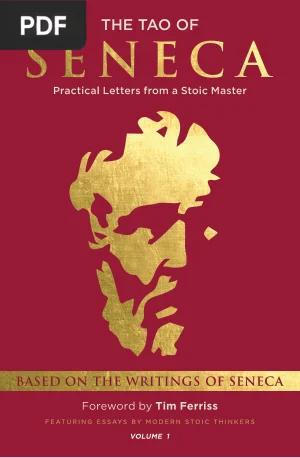
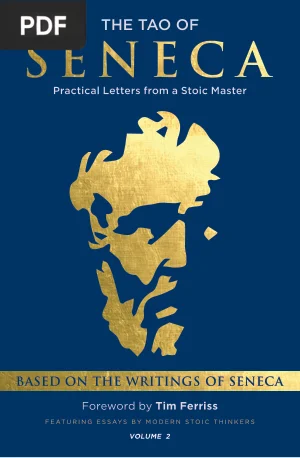
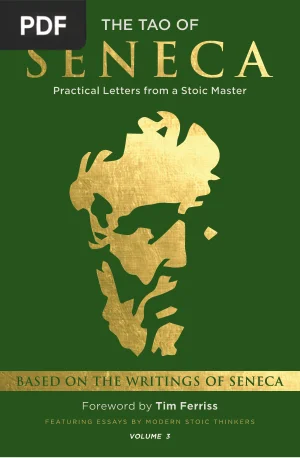
Near the end of his life, Seneca wrote 124 letters to his friend Lucilius about fear, grief, money and time. Here you'll find the classic translation next to the three Tao of Seneca volumes, the illustrated editions Tim Ferriss shares for free.
One hundred and twenty four letters Seneca wrote to his friend Lucilius, covering daily Stoic practice, friendship, fear of death, and how to live a thoughtful life under any conditions.
Seneca's Moral Letters to Lucilius, covering topics from the fear of death to friendship, philosophy, and the good life. This beautifully designed free edition includes essays by modern Stoic thinkers between the letters.
Letters 66 to 92 to Lucilius, on virtue, illness, grief and the happy life, set in an illustrated edition. Essays by modern Stoics sit between the letters and show how to put them to work today.
The final letters to Lucilius, 93 to 124, on advice, hardship, old age and facing death calmly. It closes the illustrated set and completes the full correspondence.
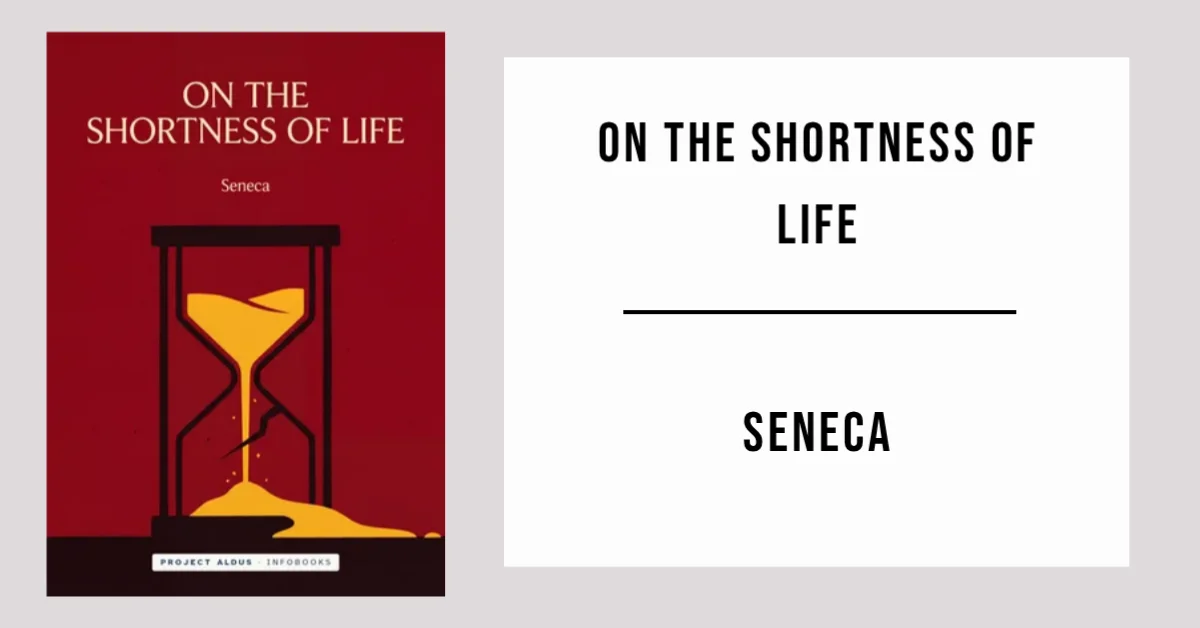
Each of Seneca's moral essays tackles one problem, from anger and grief to a life that feels too short. You'll also find On Benefits, his Natural Questions on comets and earthquakes, and the Apocolocyntosis, a sharp satire on Emperor Claudius.
Seneca's three books on anger: what it is, why it is never useful, and how to stop it before it takes over. Practical advice on handling insults and losses, still sharp after two thousand years.
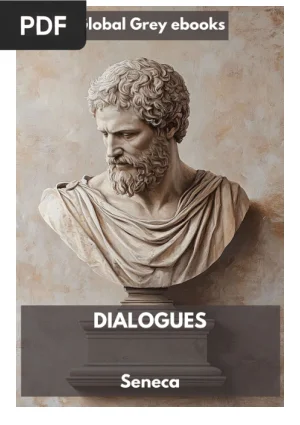
Twelve of Seneca's moral essays in one volume, including the three Consolations, On Peace of Mind, On Providence, On a Happy Life, On Clemency and On Benefits. A complete reading of his practical philosophy in Aubrey Stewart's translation.
Roger L'Estrange's famous English abstract of Seneca, read for three centuries, with a short life of Seneca. It condenses his thoughts on happiness, gratitude, anger and mercy into short, quotable chapters.
The only English translation of Seneca's Natural Questions, his study of earthquakes, comets, winds, rain and the Nile, with notes on the science of his age. Shows how Stoic philosophy tried to explain the natural world.
Seneca's comic satire on the death of Emperor Claudius, who arrives in heaven expecting to be made a god and ends up on trial. A short, irreverent side of Seneca few readers expect.
Seneca is the only Roman tragedian whose plays survive complete, and Senecan tragedy left its mark on Shakespeare and the Elizabethan stage. Here you'll find all ten plays, from Medea and Thyestes to Octavia, in English verse and in bilingual Latin editions.
All ten tragedies in English verse, from Medea and Phaedra to Thyestes and Octavia, with an essay on how they shaped early English drama. Each play comes with a comparison to its Greek model.
Medea and The Daughters of Troy in a readable verse translation, with an introduction tracing lines and scenes Elizabethan playwrights borrowed from Seneca. A good first step into Senecan tragedy.
Hercules Furens, The Trojan Women, Medea, Phaedra and Oedipus with the Latin text facing the English prose. Ideal if you want to read Seneca's own words line by line.
Agamemnon, Thyestes, Hercules Oetaeus, The Phoenician Women and Octavia in Latin with English on the facing page. Completes the bilingual set of all the plays.
The only surviving Roman history play, about Nero's first wife and her fall, translated with notes and an introduction on its authorship. Long credited to Seneca, who appears in it as a character.
In AD 65, Nero ordered Seneca to take his own life, and he faced that end the way his letters taught. Two thousand years later, his words still help people think clearly about time, anger and loss.
Want more thinkers from the ancient world? Explore our collection of classic authors books, with Plato, Aristotle and many more.
Send this page to someone who’d love to read it. Everything is free, no sign-up needed.
Esc
Start typing to search...
Searching...
No results found
Try different search terms
Your book is downloading!
If InfoBooks helped you, you can support us in one click: add us as a preferred source on Google. You'll see more of our books when you search, and you'll help us keep sharing free reading with everyone.
Done! Your book is downloading
Know someone who’d enjoy reading it? Send them this page. It’s free, no sign-up needed, and you help us spread the love of reading.