
Essays Of Schopenhauer by Arthur Schopenhauer [PDF]
by InfoBooks
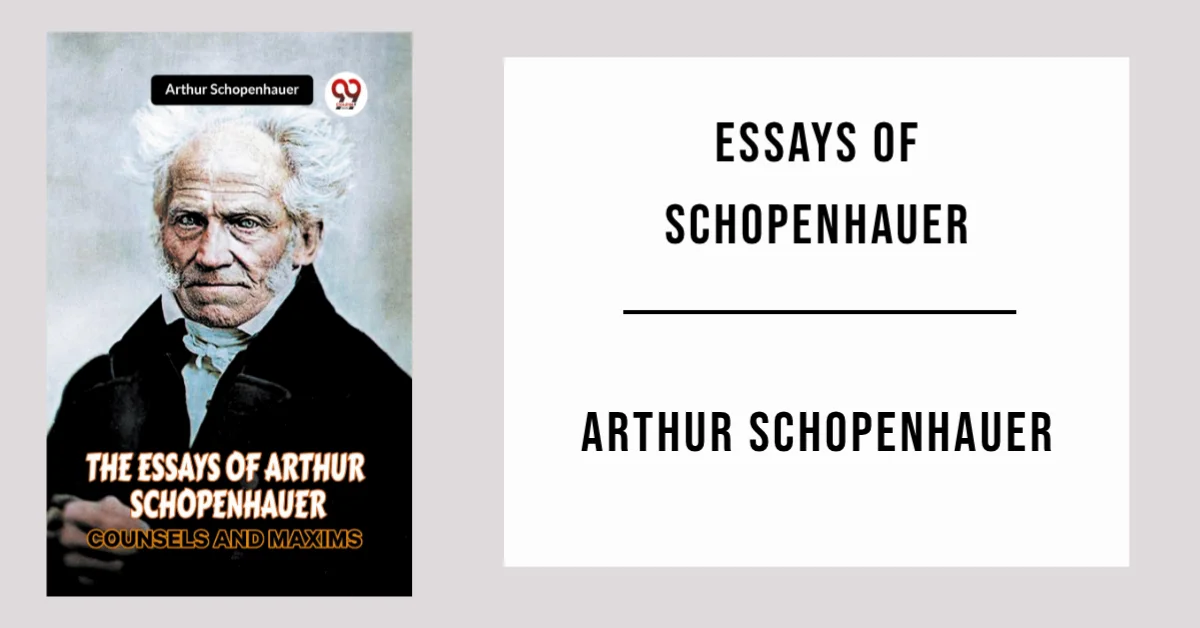
*Essays Of Schopenhauer* by Arthur Schopenhauer is a collection of twelve philosophical essays covering topics from authorship and noise to love and suicide. Schopenhauer's direct, uncompromising prose makes these essays feel more like a conversation with a sharp-minded friend than an academic text.
You can download this free PDF and dive into one of philosophy's most provocative thinkers at your own pace. Each essay stands on its own, so you can start wherever your curiosity takes you.
Originally drawn from Schopenhauer's later works, including the celebrated *Parerga and Paralipomena* (1851), these essays were translated into English by Mrs. Rudolf Dircks. They remain some of the clearest, most engaging philosophical writing from the nineteenth century.
Essays Of Schopenhauer by Arthur Schopenhauer
*Please wait a few seconds for the document to load, the time may vary depending on your internet connection. If you prefer, you can download the file by clicking the link below.
Loading PDF...
Information: Essays Of Schopenhauer
- Author: Arthur Schopenhauer
- Publication Date: 1851
- Main Characters:
- Arthur Schopenhauer: German philosopher (1788-1860) known for his pessimistic worldview, the concept of the Will, and his clear, forceful prose style.
- The Will: Schopenhauer's central philosophical concept: a blind, irrational force driving all human desire and suffering, present throughout these essays.
- Immanuel Kant: Philosopher whose work on epistemology and metaphysics deeply influenced Schopenhauer's own system, frequently referenced in these essays.
- Georg Wilhelm Friedrich Hegel: Contemporary philosopher whom Schopenhauer fiercely opposed, representing the academic establishment Schopenhauer criticizes in his essays on authorship and thinking.
- Brief Summary: This collection brings together twelve essays by Arthur Schopenhauer on subjects ranging from the philosophy of authorship to the nature of love and existence. The essays explore how we think, read, and relate to the world around us. Schopenhauer's style is direct and often witty, making complex philosophical ideas feel grounded and personal. The collection includes his well-known pieces on noise, education, women, and suicide. It serves as an ideal entry point into Schopenhauer's broader philosophical system.
- Thematic Analysis: The central themes running through these essays are the nature of human suffering, the limits of intellectual life, and the tension between individual thought and social convention. Schopenhauer challenges readers to think independently, warning against the dangers of excessive reading without reflection, and consistently returns to the idea that genuine insight comes at a personal cost.
- Historical Context: Arthur Schopenhauer wrote during a period dominated by German Idealism, and his pessimistic philosophy stood in sharp contrast to the optimism of Hegel and his followers. These essays, drawn largely from his 1851 collection *Parerga and Paralipomena*, gained popularity after decades of neglect and directly influenced thinkers like Nietzsche, Wittgenstein, and Freud.
Books by Arthur Schopenhauer
On Women by Arthur Schopenhauer
On the Fourfold Root of the Principle of Sufficient Reason by Arthur Schopenhauer
The Basis Of Morality by Arthur Schopenhauer
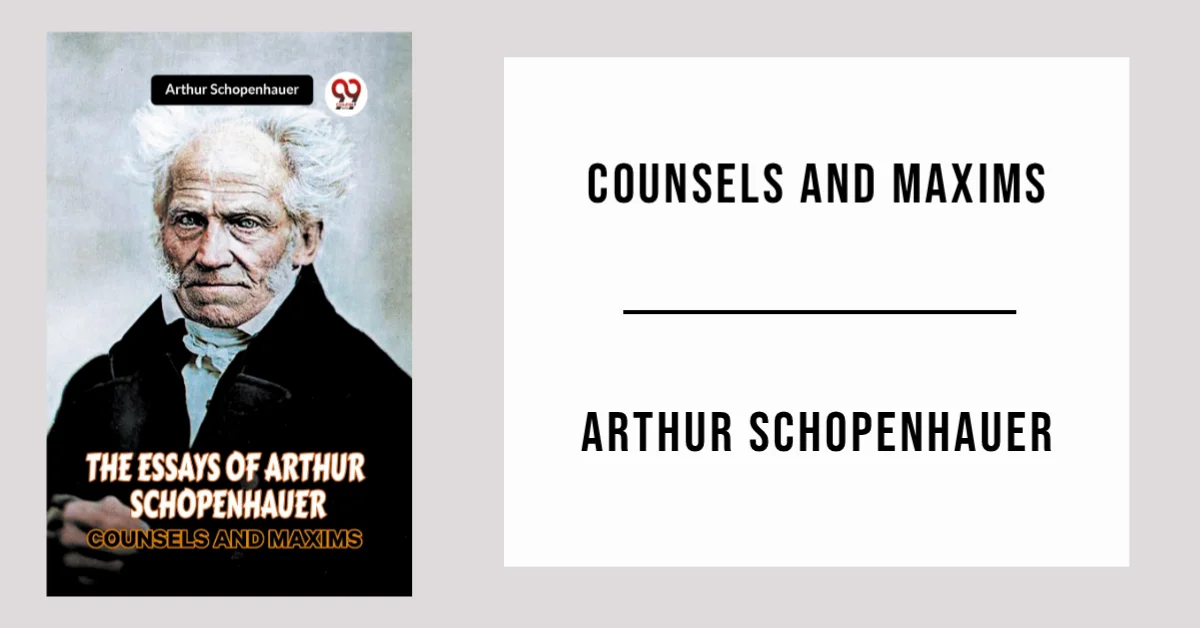
The Essays of Arthur Schopenhauer Counsels and Maxims by Arthur Schopenhauer
The Essays of Arthur Schopenhauer Religion a Dialogue Etc by Arthur Schopenhauer
The Essays of Arthur Schopenhauer Studies in Pessimism by Arthur Schopenhauer
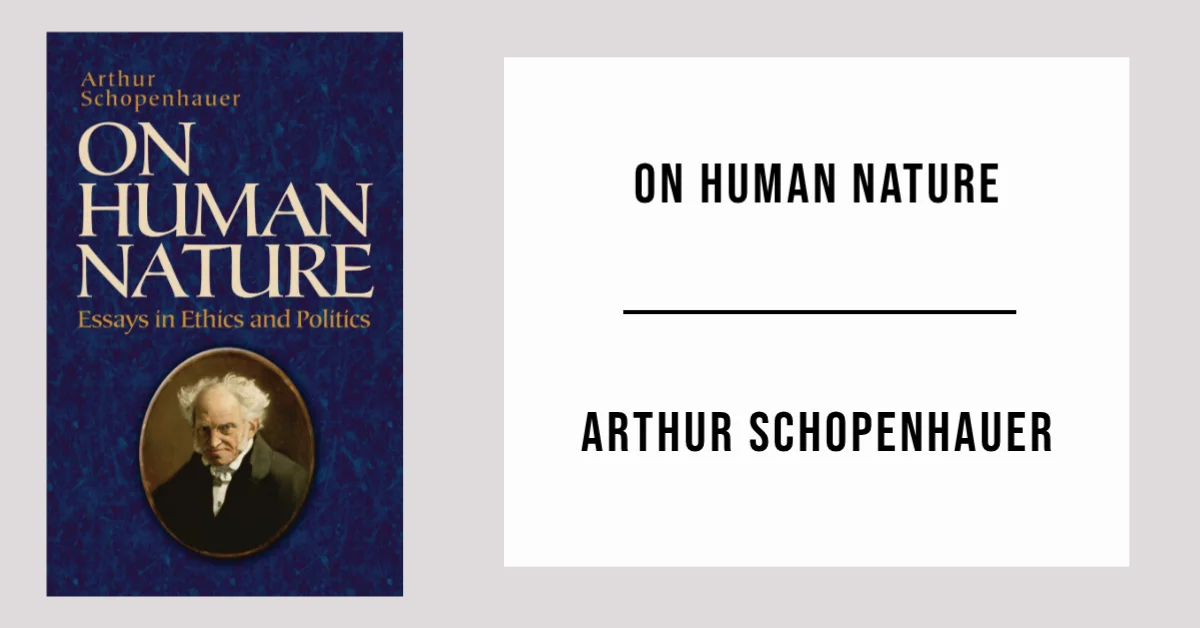
The Essays of Arthur Schopenhauer on Human Nature by Arthur Schopenhauer
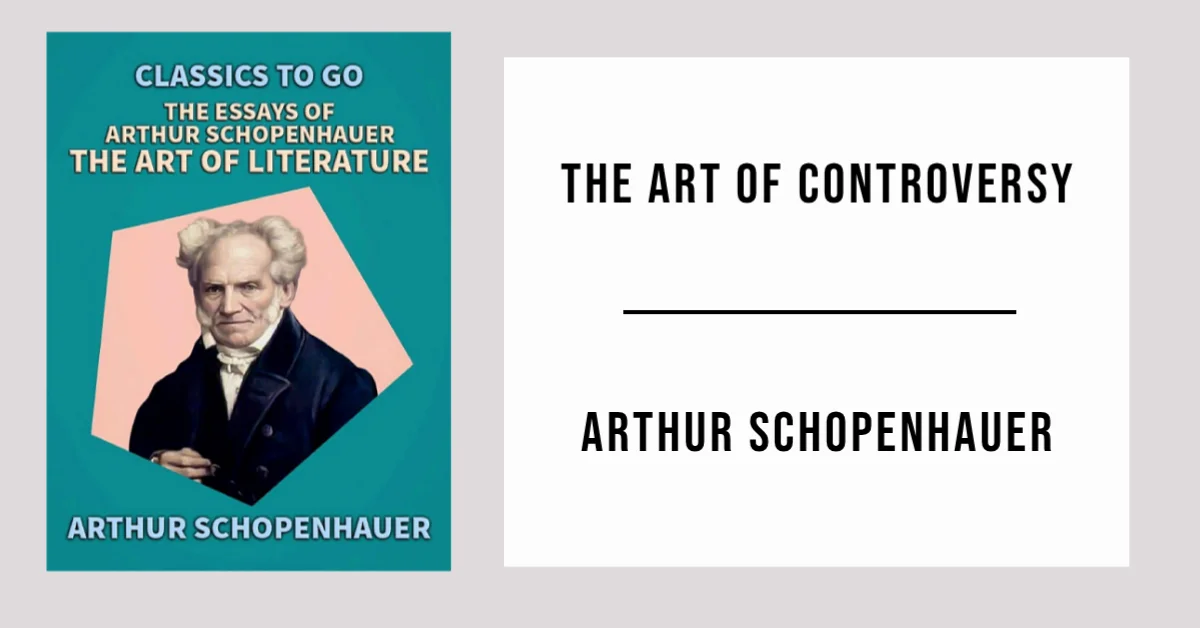
The Essays of Arthur Schopenhauer the Art of Controversy by Arthur Schopenhauer
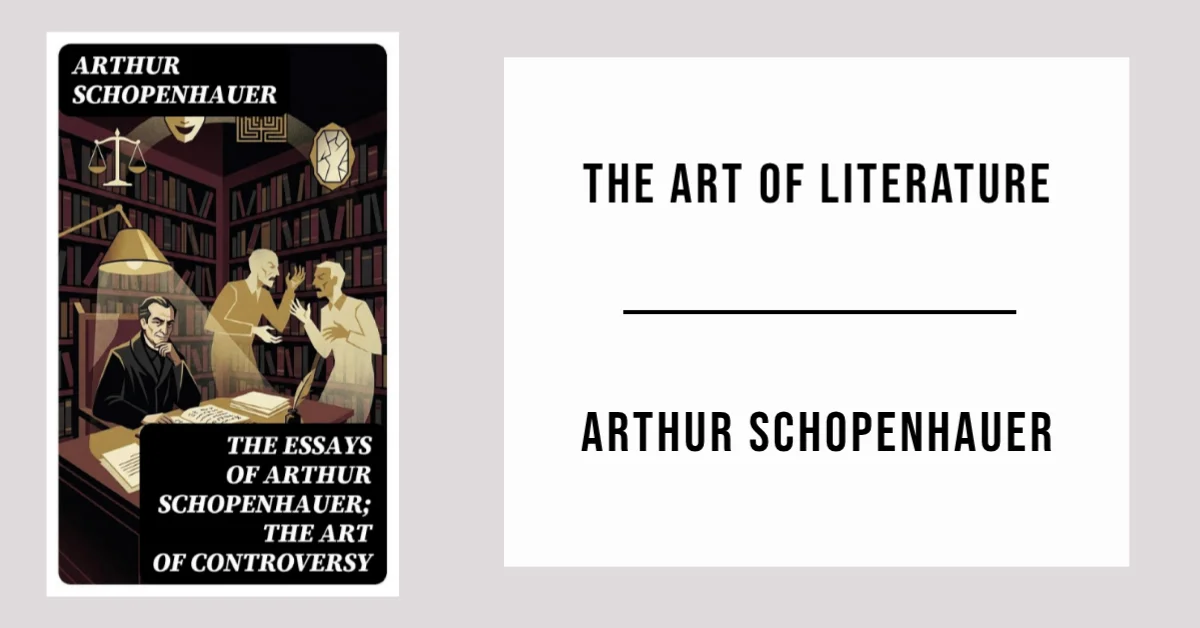
The Essays of Arthur Schopenhauer the Art of Literature by Arthur Schopenhauer
The Essays of Arthur Schopenhauer the Wisdom of Life by Arthur Schopenhauer
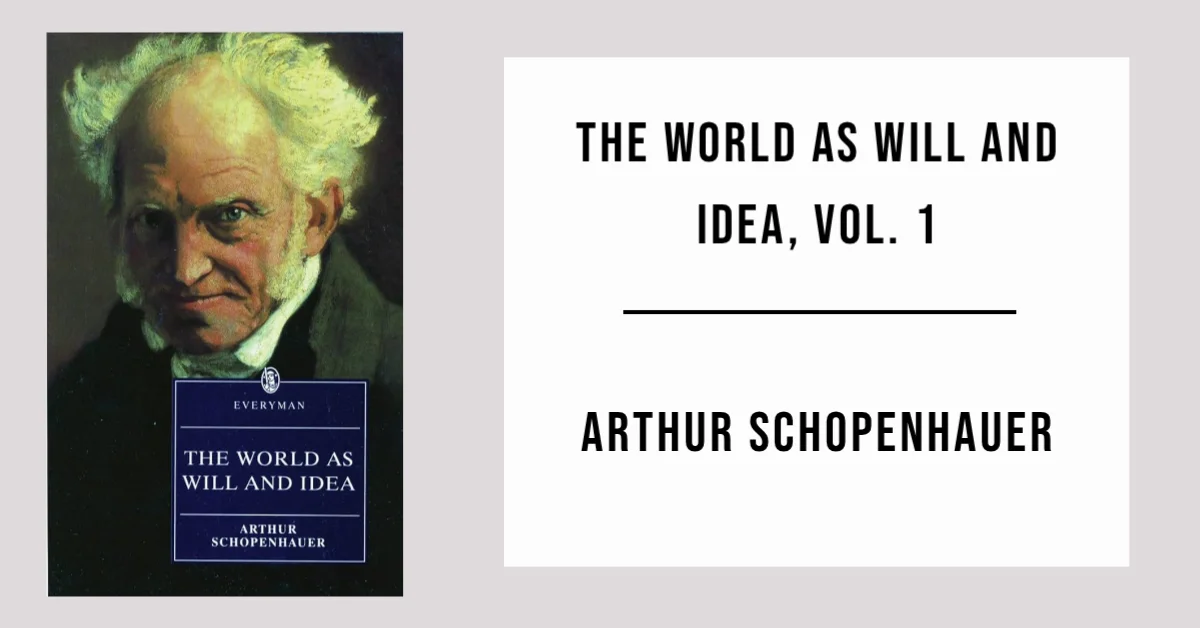
The World as Will and Idea, Vol. 1 by Arthur Schopenhauer
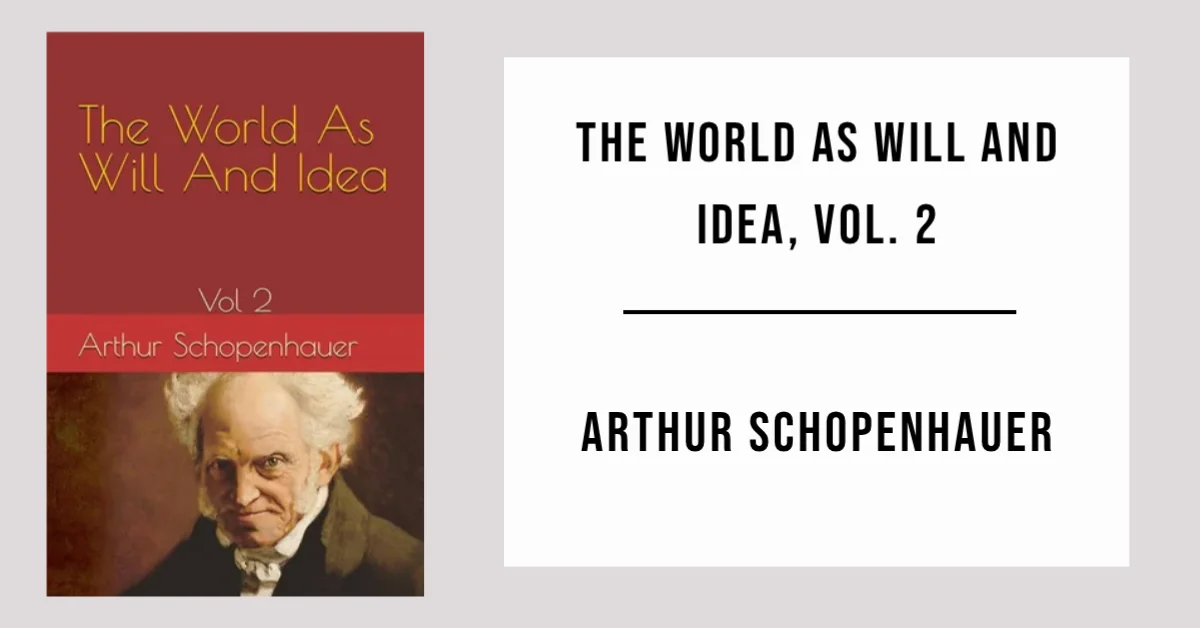
The World as Will and Idea, Vol. 2 by Arthur Schopenhauer
The World as Will and Idea, Vol. 3 by Arthur Schopenhauer