
In the Days of the Comet by H. G. Wells [PDF]
by InfoBooks
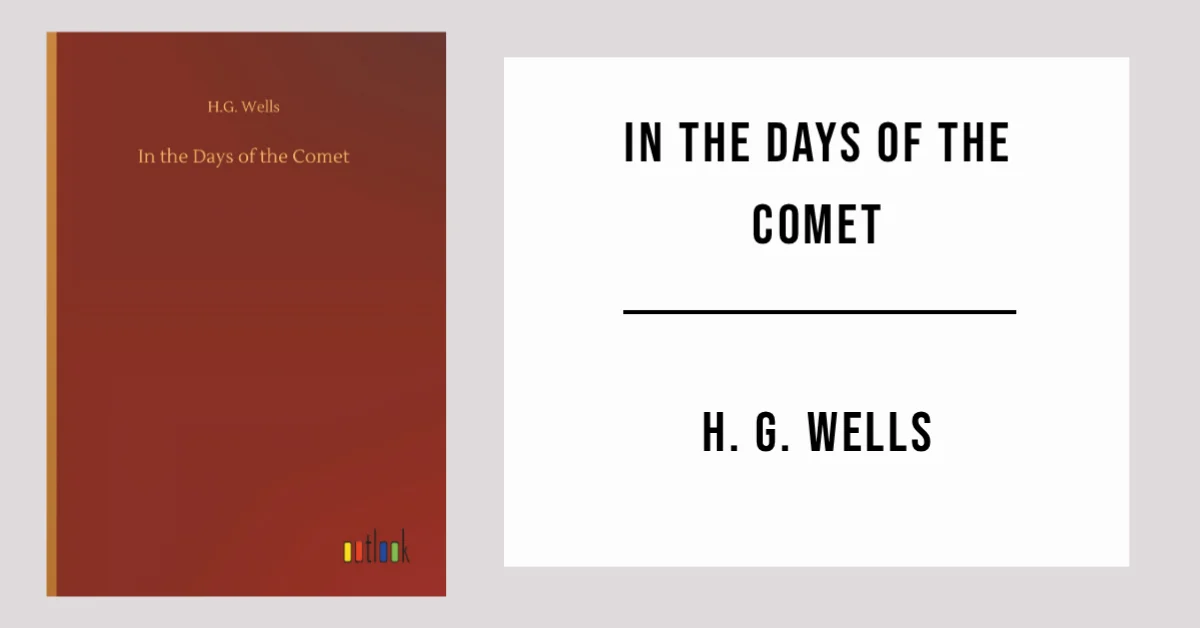
H. G. Wells wrote "In the Days of the Comet" during a period when he was deeply engaged with socialist ideas and the Fabian Society. The novel is less about the comet itself and more about the flawed human world it exposes before the transformation. Wells paints a detailed, almost suffocating picture of pre-change England: class divisions, industrial misery, petty jealousy, and the drift toward war.
The comet functions as a narrative device to ask a provocative question: what if we could simply strip away the fog of irrationality? Wells suggests that most human suffering comes not from scarcity or fate, but from clouded thinking and selfish impulse. The "Change," as characters call it, is sudden and total, allowing Wells to contrast the old world with a utopian new one in vivid detail.
The novel drew criticism from contemporary reviewers who saw it as propaganda for socialism and free love. Wells did not shy away from either charge. The book's second half imagines communes, shared resources, and relationships freed from possessiveness. Whether you agree with Wells or not, the novel forces you to examine assumptions about human nature that most fiction simply takes for granted.
In the Days of the Comet by H. G. Wells
*Please wait a few seconds for the document to load, the time may vary depending on your internet connection. If you prefer, you can download the file by clicking the link below.
Loading PDF...
Information: In the Days of the Comet
- Author: H. G. Wells
- Publication Date: 1906
- Main Characters:
- Willie Leadford: The narrator and protagonist, a young working-class man whose jealousy and class anger drive the pre-Change plot.
- Nettie Stuart: Willie's former love interest who leaves him for a wealthier man, triggering his spiral into rage.
- Edward Dowd (Dowd): Nettie's new suitor, a well-off young man who represents the class privilege Willie despises.
- Parload: Willie's thoughtful friend and amateur astronomer who first notices the approaching comet.
- Brief Summary: The novel is set in early 20th-century England and follows Willie Leadford, a bitter young man from the working class. Consumed by jealousy over a lost love and resentment toward the wealthy, he plans a desperate act of violence. Meanwhile, a green comet approaches Earth, and the world teeters on the brink of war. When the comet passes, its gases clear humanity's mental fog, and society rebuilds itself on cooperation, reason, and empathy.
- Thematic Analysis: Wells explores the tension between individual passion and collective welfare. The novel argues that jealousy, greed, and nationalism are symptoms of a kind of mental illness that better conditions could cure. It also examines whether true freedom requires the abolition of possessiveness in relationships and property alike.
- Historical Context: Published in 1906, the novel reflects the anxieties of Edwardian England: growing labor unrest, imperial rivalry, and the arms race that would eventually lead to World War I. Wells was deeply involved with the Fabian Society at the time, and the book channels his belief that socialism offered a rational alternative to the chaos of capitalism.
Books by H. G. Wells

A Short History of the World by H. G. Wells

Anticipations by H. G. Wells

First and Last Things by H. G. Wells

God the Invisible King by H. G. Wells

Marriage by H. G. Wells
Men Like Gods by H. G. Wells

The Discovery of the Future by H. G. Wells

The Dream by H. G. Wells

The Invisible Man by H. G. Wells

The Island of Doctor Moreau by H. G. Wells

The Passionate Friends by H. G. Wells

The Sea Lady by H. G. Wells

The Time Machine by H. G. Wells

The War of the Worlds by H. G. Wells

The Wife of Sir Isaac Harman by H. G. Wells

The Wonderful Visit by H. G. Wells

The World Set Free by H. G. Wells

This Misery of Boots by H. G. Wells