Jane Eyre by Charlotte Brontë [PDF]
by InfoBooks
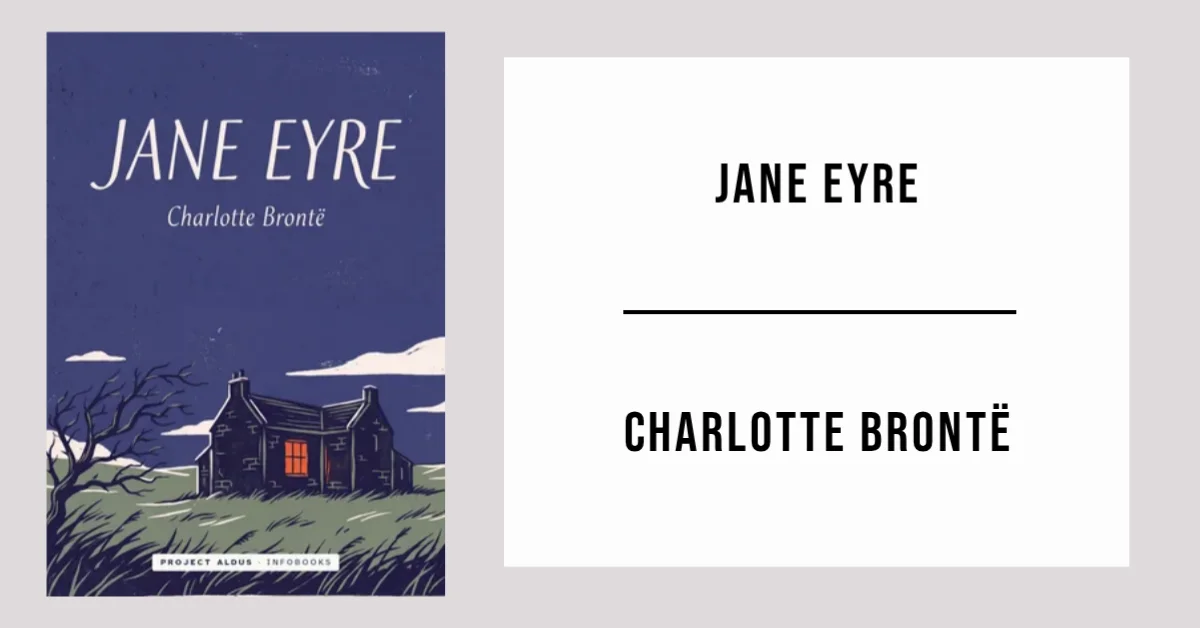
By its third printing, Jane Eyre was selling well enough that other novels were being credited to its author. Currer Bell added a short note to say this was the only one, and the public still had no idea that Currer Bell was Charlotte Brontë.
This version of Jane Eyre in PDF is an original edition from Project Aldus: the complete text, with the preface and that note included, set so you can read chapter after chapter without tiring.
The download is free and needs no sign-up. One click and all thirty-eight chapters are yours, from Gateshead to Ferndean.
Jane Eyre by Charlotte Brontë
*Please wait a few seconds for the document to load, the time may vary depending on your internet connection. If you prefer, you can download the file by clicking the link below.
Loading PDF...
Information: Jane Eyre
- Author: Charlotte Brontë.
- Publication Date: 1847.
- Main Characters:
- Edward Rochester: The enigmatic owner of Thornfield Hall and Jane Eyre's love interest.
- Mrs. Reed: Jane's aunt, a cold and cruel woman who mistreats her in her childhood.
- Brief Summary: Jane Eyre is a young orphan who grows up in a hostile environment under the care of her aunt, Mrs. Reed. After enduring numerous hardships, Jane becomes a governess at Thornfield Hall, where she falls in love with her employer, Edward Rochester. However, the mansion conceals a dark secret that threatens her happiness and challenges her moral integrity.
- Thematic Analysis: "Jane Eyre" addresses themes such as the search for identity, the struggle for independence and gender equality, as well as the conflict between love and morality. The novel also explores the importance of authenticity and personal integrity in Victorian society.
- Historical Context: Charlotte Brontë's "Jane Eyre" was published in 1847, during the Victorian era in England. The novel challenged the social conventions of the time by presenting a strong and independent heroine who strives for her own destiny. Additionally, it addresses issues such as the position of women in society and the constraints imposed by social and religious norms. The work had a significant impact in its time and is considered a classic of English literature.