Nicomachean Ethics by Aristotle [PDF]
by InfoBooks
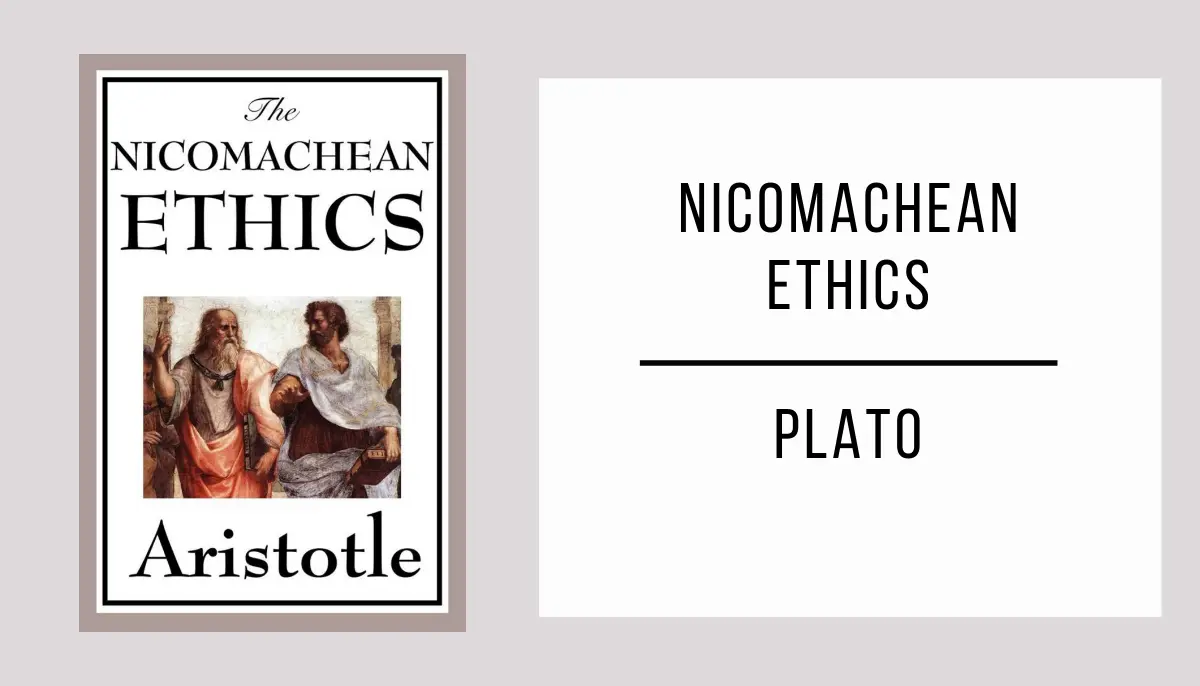
Nicomachean Ethics is Aristotle's answer to one question: what does a good human life look like? His answer is virtue, built through habit rather than through good intentions.
Aristotle works through courage, justice, friendship and the mean between extremes, across ten books. The Ross translation here is complete and in the public domain.
Download the full text in PDF for free. It is the clearest place to start if you want to know what Aristotle actually argued about how to live.
Nicomachean Ethics by Aristotle
*Please wait a few seconds for the document to load, the time may vary depending on your internet connection. If you prefer, you can download the file by clicking the link below.
Loading PDF...
Information: Nicomachean Ethics
- Author: Aristotle.
- Publication Date: Approximately between 335 and 323 B.C.
- Main Characters:
- Aristotle: Greek philosopher and author of the book.
- Brief Summary: "Nicomachean Ethics" is a philosophical work in which Aristotle explores the concept of ethics and seeks to determine the supreme good and how to attain it. It examines virtue, morality, and the role of ethics in human life, arguing that the ultimate goal of human beings is to live a virtuous life in harmony with reason.
- Thematic Analysis: "Nicomachean Ethics" addresses themes such as ethics, virtue, morality, happiness, friendship, and justice. Aristotle argues that ethics is based on the pursuit of excellence and virtue, asserting that happiness is found in living an ethical and balanced life.
- Historical Context: Aristotle, a Greek philosopher and disciple of Plato, wrote "Nicomachean Ethics," considered one of the most important works in Western ethics. It has influenced philosophical and ethical thought throughout the centuries. The work was composed during a time when Athens was a prominent intellectual and philosophical center in ancient Greece.
Collection
Books by Aristotle
Here is our complete collection of free books by Aristotle