
The Borgias by Alexandre Dumas [PDF]
by InfoBooks

Alexandre Dumas, best known for The Three Musketeers, proved he could master historical narrative just as well as fiction with The Borgias. This gripping account of Renaissance Italy's most infamous family reads like a novel but is rooted in historical fact. Published in 1839 as part of his "Celebrated Crimes" collection, it remains one of his most compelling works.
Here at InfoBooks, we are excited to offer you this free PDF of The Borgias so you can dive into this fascinating chapter of history. Dumas transforms the scheming, poisoning, and political maneuvering of the Borgia dynasty into a narrative that is impossible to put down. Perfect if you need a book that blends history with the pace of a thriller.
Whether you are a longtime fan of Dumas or discovering his work for the first time, The Borgias offers something genuinely different from his adventure novels. It is surprisingly accessible even for readers unfamiliar with Renaissance Italy, and Dumas' signature storytelling style makes the historical events feel immediate and personal. If you liked The Count of Monte Cristo, try this lesser-known gem from the same brilliant pen.
The Borgias by Alexandre Dumas
*Please wait a few seconds for the document to load, the time may vary depending on your internet connection. If you prefer, you can download the file by clicking the link below.
Loading PDF...
Information: The Borgias
- Author: Alexandre Dumas
- Publication Date: 1839
- Main Characters:
- Pope Alexander VI (Rodrigo Borgia): The patriarch of the Borgia family who used the papacy as a tool for dynastic ambition, consolidating wealth and political power through manipulation and ruthlessness.
- Cesare Borgia: Alexander's most ambitious son, a cardinal turned military commander who sought to carve out his own kingdom in Italy through warfare, diplomacy, and assassination.
- Lucrezia Borgia: Alexander's daughter, often portrayed as a pawn in her family's political marriages, though Dumas hints at her own complexity and the dark rumors that surrounded her.
- Goffredo Borgia: The youngest of Alexander's acknowledged children, married into the royal house of Naples as part of the family's strategy to secure alliances.
- Giuliano della Rovere: A powerful cardinal and rival of Alexander VI who eventually became Pope Julius II, representing the opposition to Borgia dominance within the Church.
- Brief Summary: The Borgias tells the story of the Borgia family's rise to the papacy and their subsequent reign of terror across Renaissance Italy. Alexandre Dumas chronicles how Rodrigo Borgia became Pope Alexander VI and used his position to advance his children, particularly the cunning and violent Cesare Borgia and the enigmatic Lucrezia. The narrative covers assassinations, political alliances, family rivalries, and the eventual downfall of the dynasty. Dumas draws from historical sources while adding his characteristic dramatic flair, creating a work that sits at the intersection of history and literature.
- Thematic Analysis: The central themes of The Borgias revolve around the corrupting influence of absolute power, the blurred line between political ambition and personal morality, and the role of family loyalty in shaping historical events. Dumas also explores how religion and faith were weaponized for political gain during the Renaissance, raising questions about institutional corruption that remain timely centuries later.
- Historical Context: The Borgias is set during the late 15th and early 16th centuries, a period of intense political fragmentation in Italy where city-states, the papacy, and foreign powers constantly vied for dominance. Dumas wrote this work in 1839 during the Romantic era in France, when there was a strong appetite for dramatic historical narratives. His "Celebrated Crimes" series aimed to bring lesser-known historical episodes to a popular audience.
Books by Alexandre Dumas

Ali Pacha by Alexandre Dumas
Angel Pitou by Alexandre Dumas
Chicot the Jester by Alexandre Dumas

Louise De La Valliere by Alexandre Dumas

Murat by Alexandre Dumas

Nisida by Alexandre Dumas
Queen Margot by Alexandre Dumas

Ten Years Later by Alexandre Dumas

The Black Tulip by Alexandre Dumas

The Cenci by Alexandre Dumas
The Companions of Jehu by Alexandre Dumas
The Count of Monte Cristo by Alexandre Dumas
The Countess of Charny by Alexandre Dumas
The Forty-five by Alexandre Dumas
The Lady of the Camellias by Alexandre Dumas

The Man in the Iron Mask by Alexandre Dumas
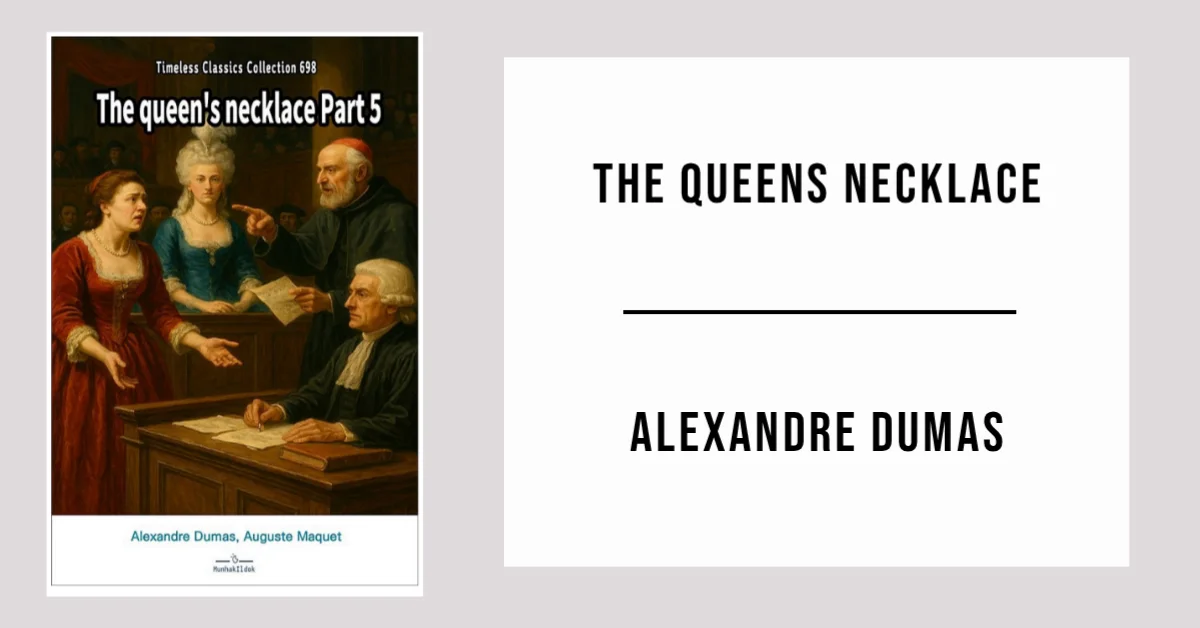
The Queen’s Necklace by Alexandre Dumas

The Three Musketeers by Alexandre Dumas
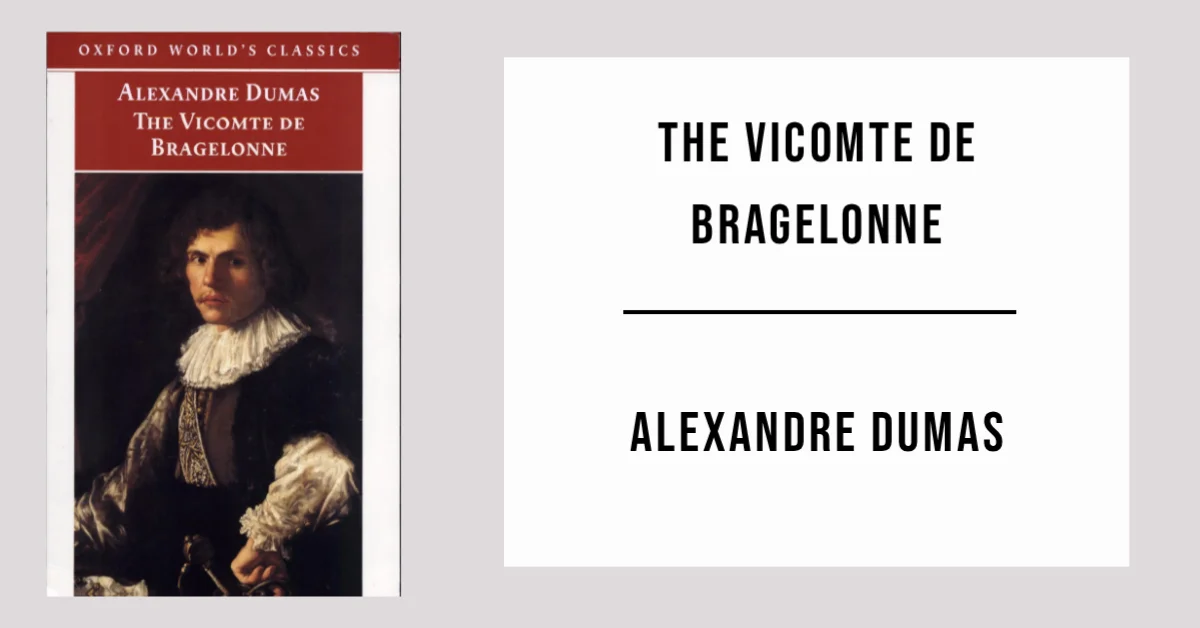
The Vicomte De Bragelonne by Alexandre Dumas

The Women's War by Alexandre Dumas

Twenty Years After by Alexandre Dumas

Vaninka by Alexandre Dumas