
The Essays of Arthur Schopenhauer Counsels and Maxims by Arthur Schopenhauer [PDF]
by InfoBooks
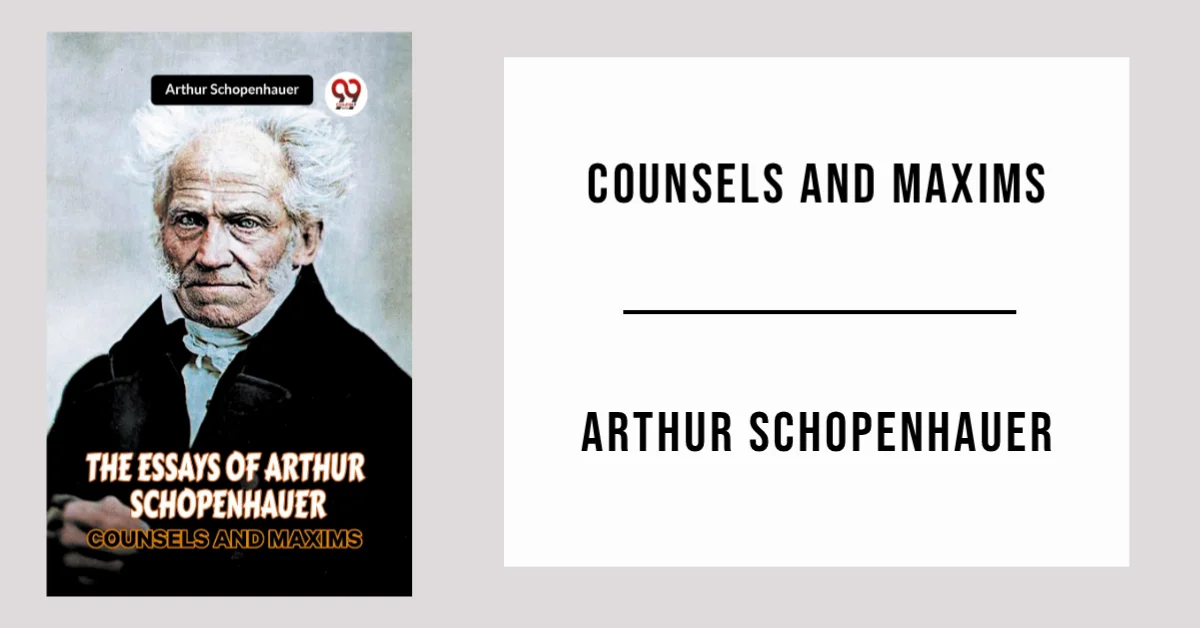
Read The Essays of Arthur Schopenhauer Counsels and Maxims by Arthur Schopenhauer, a collection of sharp, practical reflections on happiness, human nature, and the art of living well. Written in 1851, these essays remain one of the most honest guides to navigating everyday life you'll find in classical philosophy.
You can download this book in PDF format, free, and start reading right away. Schopenhauer's direct style makes each essay feel like personal advice from someone who has thought deeply about the same problems you face.
Whether you're drawn to Stoic philosophy or simply want a book that respects your intelligence and your time, Counsels and Maxims delivers. Short chapters, clear ideas, and zero filler.
The Essays of Arthur Schopenhauer Counsels and Maxims by Arthur Schopenhauer
*Please wait a few seconds for the document to load, the time may vary depending on your internet connection. If you prefer, you can download the file by clicking the link below.
Loading PDF...
Information: The Essays of Arthur Schopenhauer Counsels and Maxims
- Author: Arthur Schopenhauer
- Publication Date: 1851
- Main Characters:
- Arthur Schopenhauer: German philosopher (1788-1860) and author of the essays, known for his pessimistic worldview and emphasis on the will as the driving force of human existence.
- Aristotle: Ancient Greek philosopher frequently cited by Schopenhauer when discussing happiness, virtue, and the good life.
- Seneca: Roman Stoic philosopher whose practical moral teachings Schopenhauer references and builds upon throughout the work.
- Baltasar Gracian: Spanish Jesuit writer whose aphoristic style and worldly wisdom directly influenced Schopenhauer's approach in Counsels and Maxims.
- Brief Summary: Counsels and Maxims is a series of essays offering practical guidance on how to live wisely. Schopenhauer covers topics such as the nature of happiness, the value of solitude, how to manage relationships, and the role of fortune in human life. The work is organized into sections on general rules, self-knowledge, dealing with others, and worldly matters. Written in a direct, aphoristic style, each section stands on its own while contributing to a coherent philosophy of everyday living. The tone is candid, often pessimistic, but always grounded in careful observation.
- Thematic Analysis: The central themes revolve around the pursuit of happiness, the limits of human control, and the tension between solitude and social life. Schopenhauer argues that true contentment comes from within, through intellectual activity and self-sufficiency, rather than from wealth, fame, or the approval of others. He also examines envy, boredom, and suffering as unavoidable features of the human experience.
- Historical Context: Published in 1851 as part of Parerga und Paralipomena, this work appeared late in Schopenhauer's career and became his most widely read. It was translated into English by T. Bailey Saunders in the 1890s, helping to spread Schopenhauer's influence across the English-speaking world. The essays reflect the intellectual climate of 19th-century German philosophy while drawing heavily on classical Greek and Roman thought.
Books by Arthur Schopenhauer
Essays Of Schopenhauer by Arthur Schopenhauer
On Women by Arthur Schopenhauer
On the Fourfold Root of the Principle of Sufficient Reason by Arthur Schopenhauer
The Basis Of Morality by Arthur Schopenhauer
The Essays of Arthur Schopenhauer Religion a Dialogue Etc by Arthur Schopenhauer
The Essays of Arthur Schopenhauer Studies in Pessimism by Arthur Schopenhauer
The Essays of Arthur Schopenhauer on Human Nature by Arthur Schopenhauer
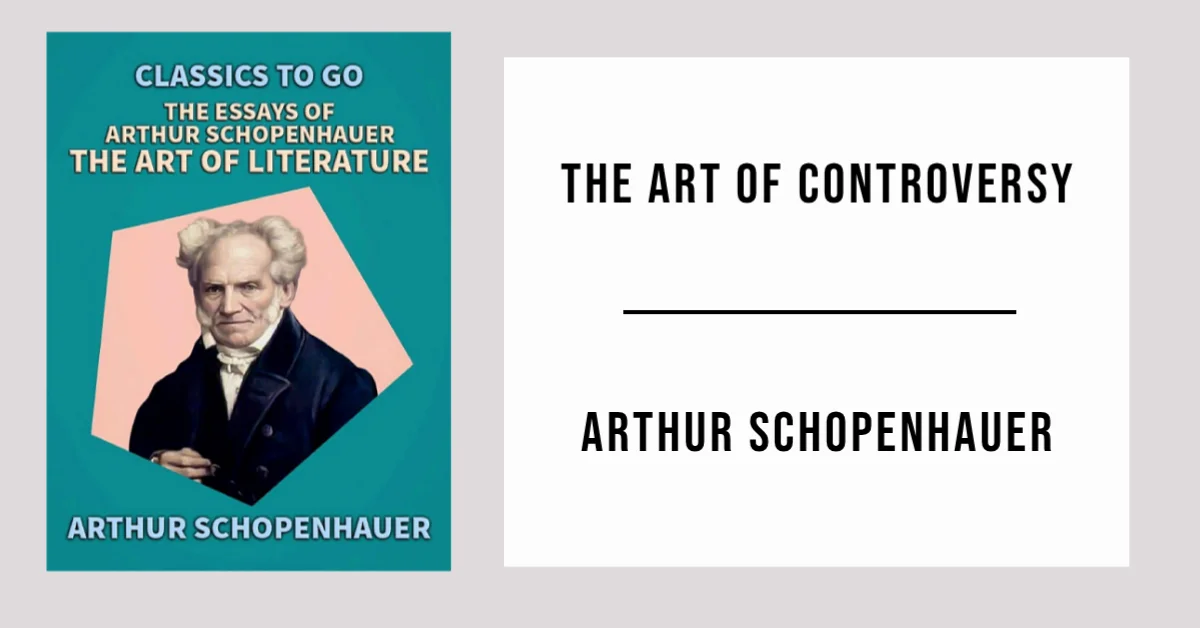
The Essays of Arthur Schopenhauer the Art of Controversy by Arthur Schopenhauer
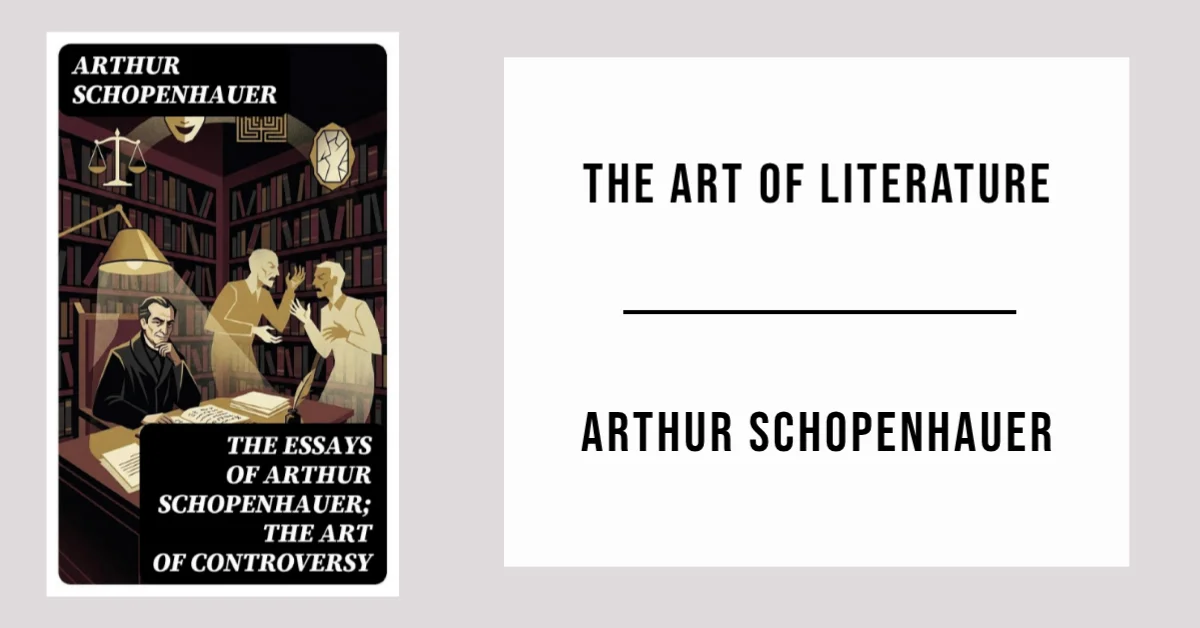
The Essays of Arthur Schopenhauer the Art of Literature by Arthur Schopenhauer
The Essays of Arthur Schopenhauer the Wisdom of Life by Arthur Schopenhauer
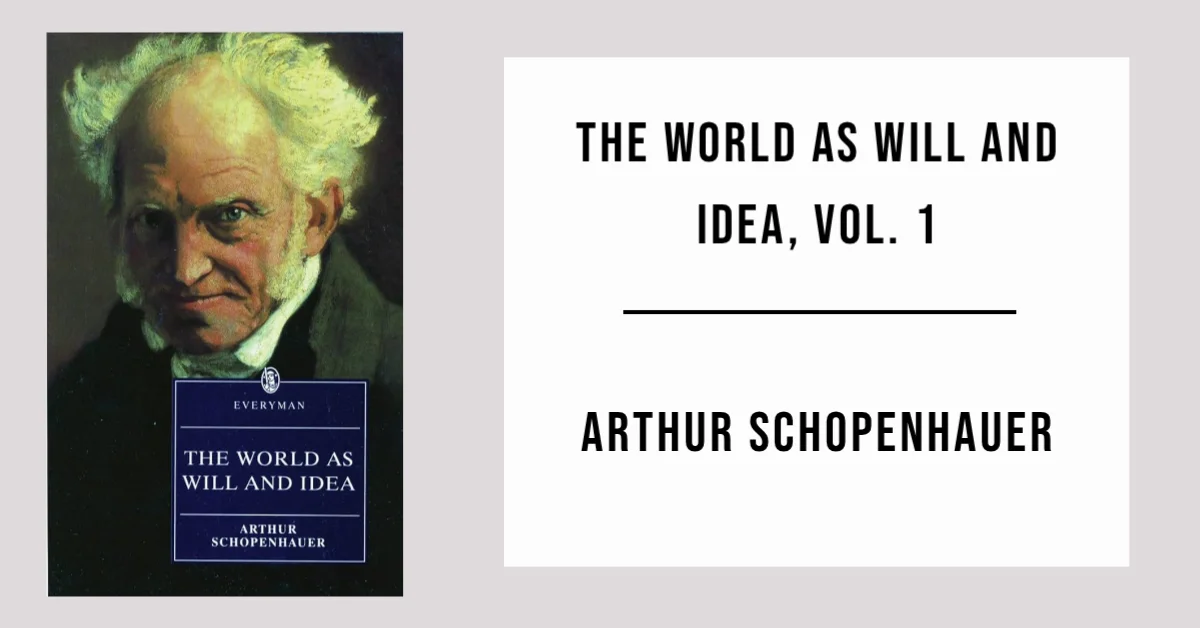
The World as Will and Idea, Vol. 1 by Arthur Schopenhauer
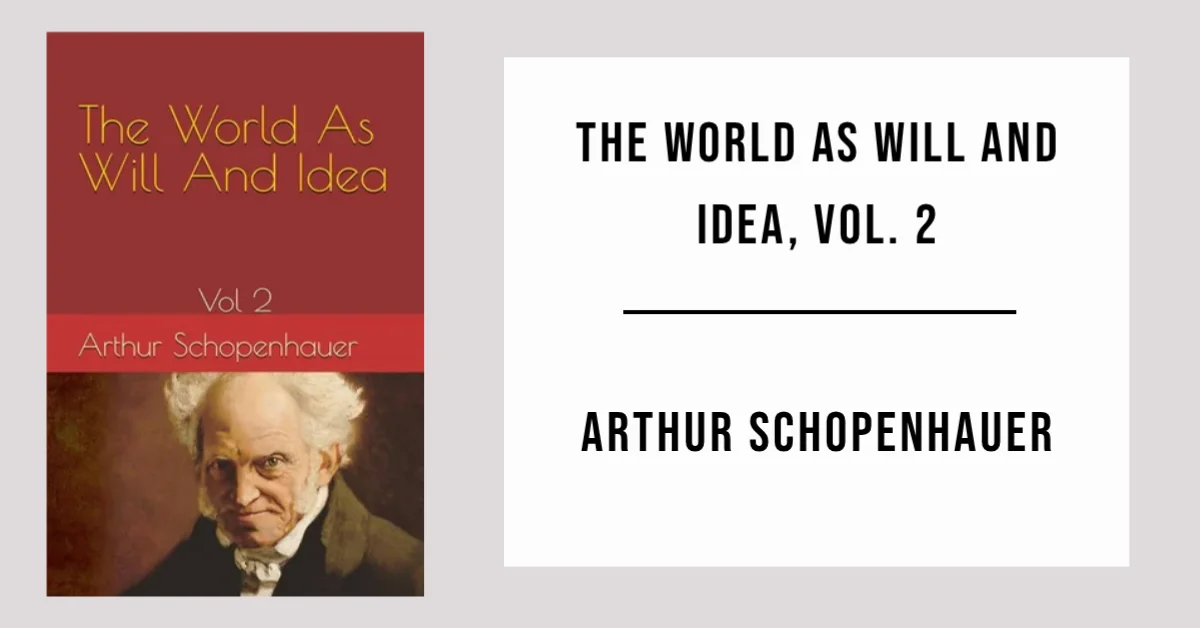
The World as Will and Idea, Vol. 2 by Arthur Schopenhauer
The World as Will and Idea, Vol. 3 by Arthur Schopenhauer