
The Essays of Arthur Schopenhauer Religion a Dialogue Etc by Arthur Schopenhauer [PDF]
by InfoBooks
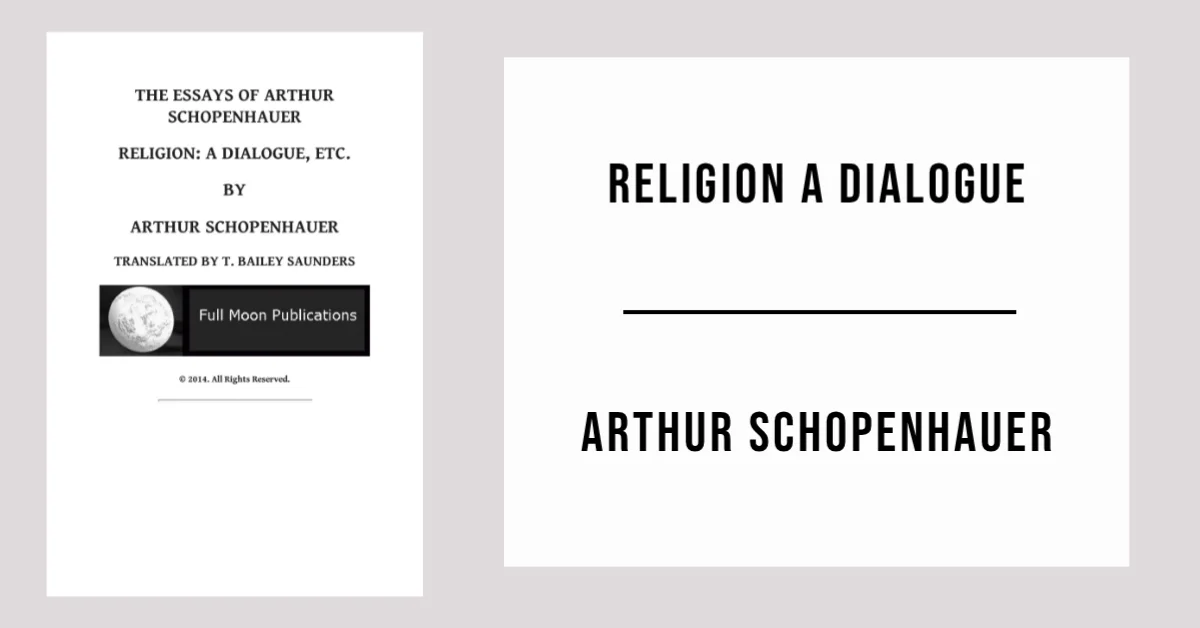
The Essays of Arthur Schopenhauer Religion a Dialogue Etc, by Arthur Schopenhauer, brings together six essays from the philosopher's final major publication. These essays became the most popular of all Schopenhauer's writings, and it is not hard to see why. The central dialogue pits two characters against each other in a debate about religion's role in society and its relationship to philosophical truth.
You can download this book in PDF format for free right here. Inside you will find Schopenhauer at his sharpest, tackling religion, reading habits, and human psychology with the kind of directness most writers avoid. The collection includes "Religion: A Dialogue," "A Few Words on Pantheism," "On Books and Reading," "Physiognomy," "Psychological Observations," and "The Christian System."
Whether you agree with Schopenhauer or not, his arguments force you to think. That is precisely what makes this collection worth your time. Written over 170 years ago, these essays still challenge assumptions we carry today.
The Essays of Arthur Schopenhauer Religion a Dialogue Etc by Arthur Schopenhauer
*Please wait a few seconds for the document to load, the time may vary depending on your internet connection. If you prefer, you can download the file by clicking the link below.
Loading PDF...
Information: The Essays of Arthur Schopenhauer Religion a Dialogue Etc
- Author: Arthur Schopenhauer
- Publication Date: 1851
- Main Characters:
- Demopheles: One of the two speakers in 'Religion: A Dialogue.' He defends religion as a practical necessity for maintaining social order and moral behavior among ordinary people.
- Philalethes: The opposing voice in the dialogue. He represents the philosophical position that truth should never be sacrificed for social convenience, and that religion ultimately obstructs genuine understanding.
- The Will: Schopenhauer's central philosophical concept that runs beneath all the essays. The blind, purposeless force driving existence, which shapes human behavior, belief systems, and even reading habits.
- The Reader as Thinker: In 'On Books and Reading,' Schopenhauer draws a sharp distinction between passive readers who absorb foreign thoughts and active thinkers who use reading as fuel for original reflection.
- Brief Summary: This collection gathers six essays from Schopenhauer's Parerga und Paralipomena, originally published in 1851. The centerpiece is "Religion: A Dialogue," where two characters argue about whether religion serves humanity or blocks the path to genuine understanding. Other essays examine pantheism, the risks of excessive reading, physiognomy, and patterns in human behavior. Translated by T. Bailey Saunders, the writing is remarkably clear and direct for philosophical work. The book represents Schopenhauer's mature thinking on culture, belief, and intellectual life.
- Thematic Analysis: The dominant theme across these essays is the tension between truth and comfort. Schopenhauer argues that religion functions as an allegory, useful for moral guidance but ultimately a substitute for philosophical inquiry. His essay on reading extends this idea: consuming too many books without reflection is just another way of avoiding original thought.
- Historical Context: These essays were written toward the end of Schopenhauer's life and published in 1851 as part of Parerga und Paralipomena. At the time, Schopenhauer was largely ignored by the academic establishment, but this collection changed everything. It reached a general audience and built the reputation that had eluded him for decades, influencing thinkers from Nietzsche to Wittgenstein.
Books by Arthur Schopenhauer
Essays Of Schopenhauer by Arthur Schopenhauer
On Women by Arthur Schopenhauer
On the Fourfold Root of the Principle of Sufficient Reason by Arthur Schopenhauer
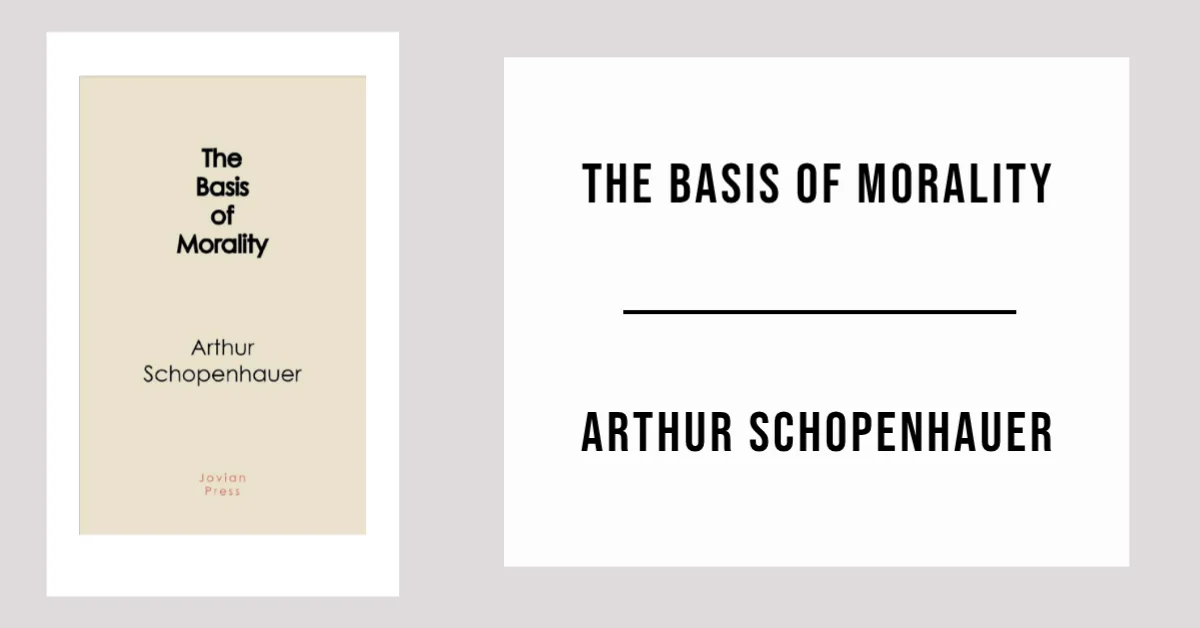
The Basis Of Morality by Arthur Schopenhauer
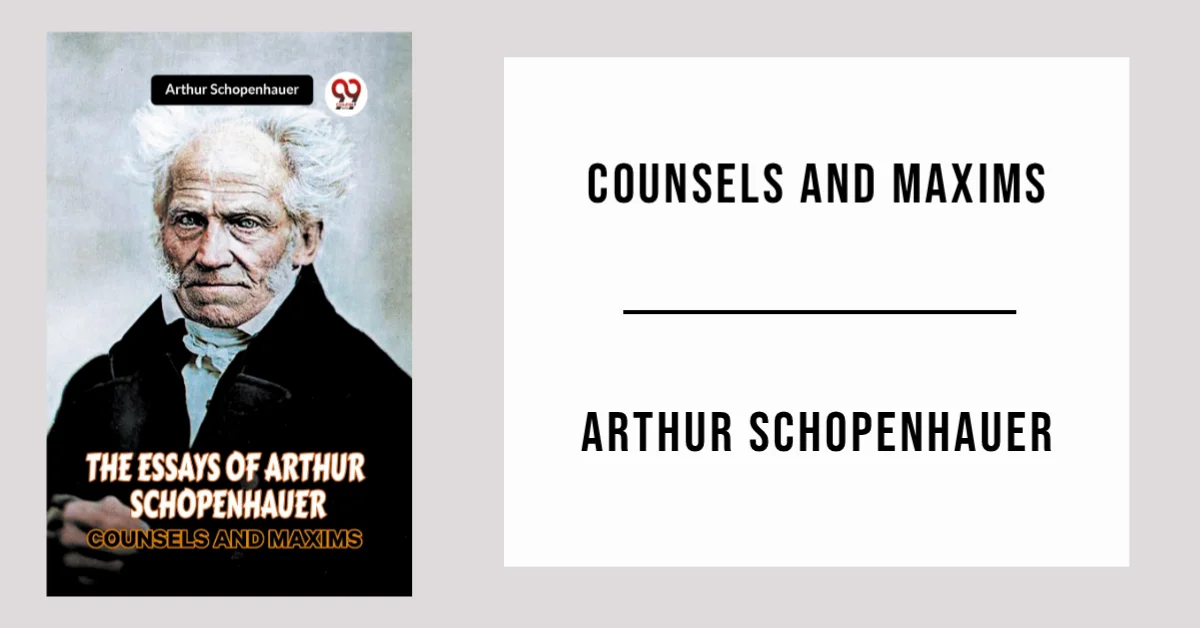
The Essays of Arthur Schopenhauer Counsels and Maxims by Arthur Schopenhauer
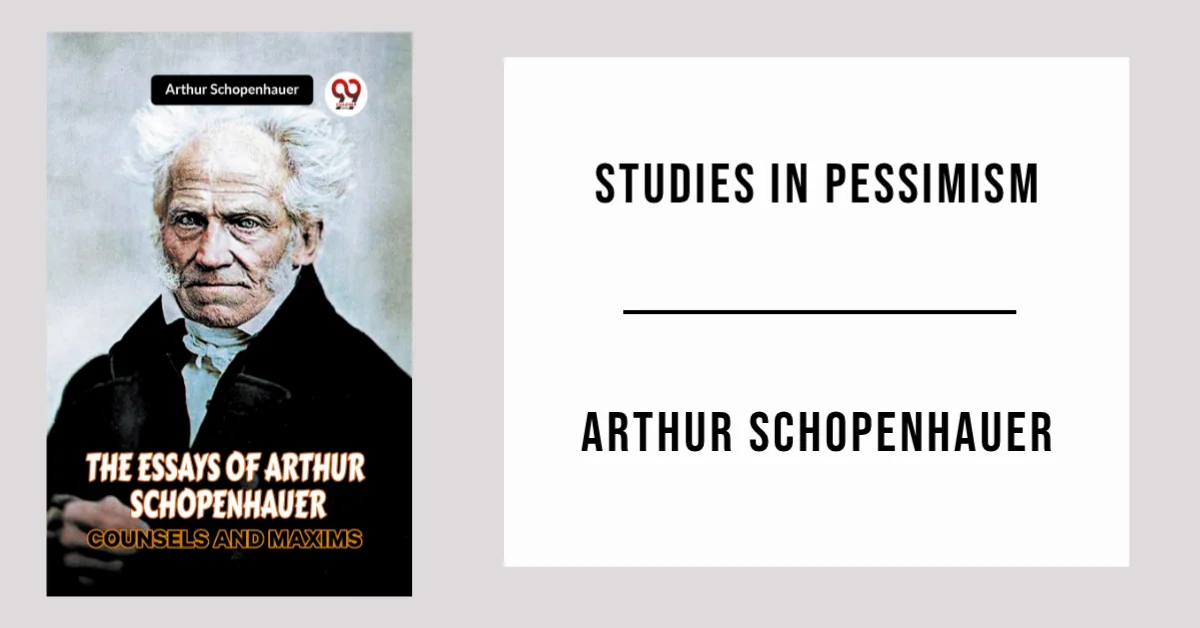
The Essays of Arthur Schopenhauer Studies in Pessimism by Arthur Schopenhauer
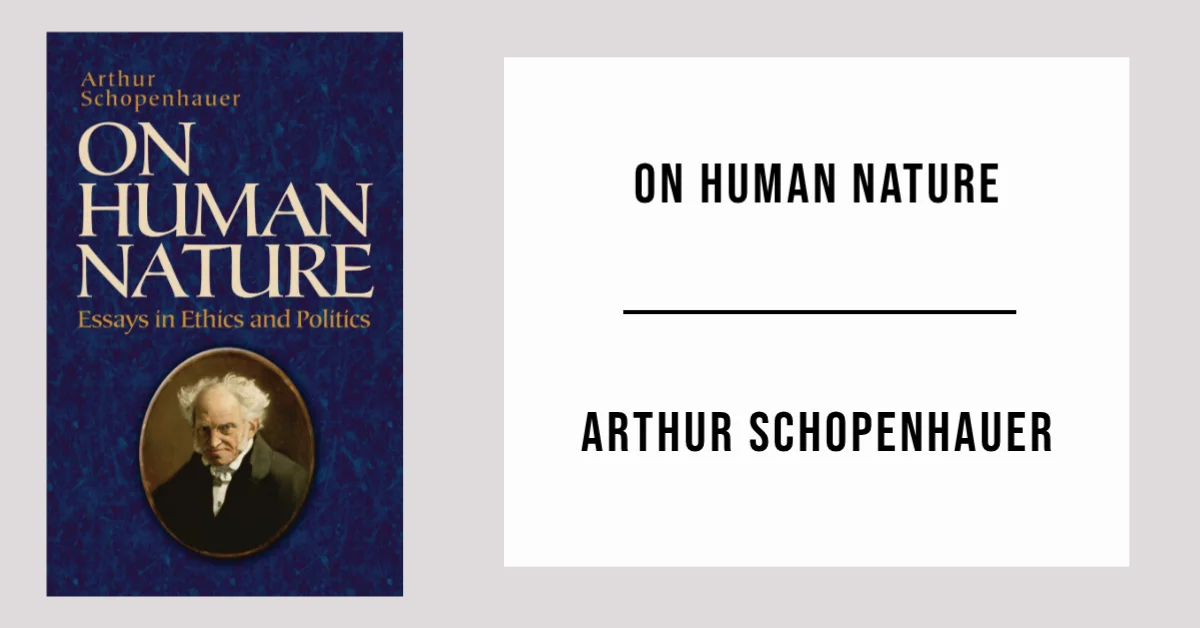
The Essays of Arthur Schopenhauer on Human Nature by Arthur Schopenhauer
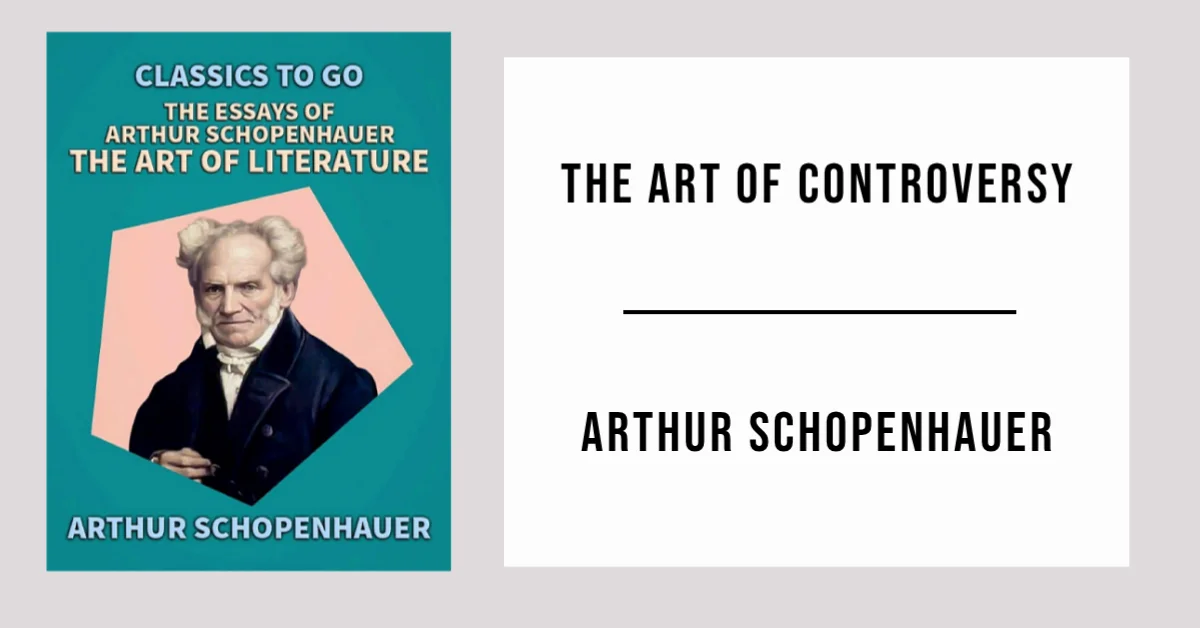
The Essays of Arthur Schopenhauer the Art of Controversy by Arthur Schopenhauer
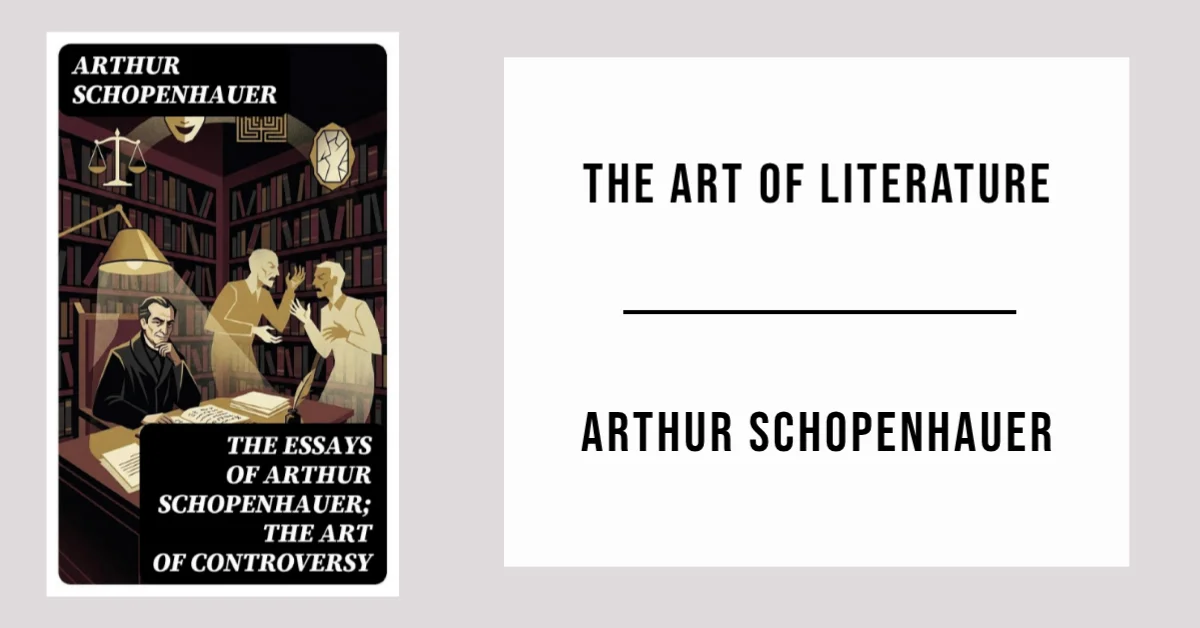
The Essays of Arthur Schopenhauer the Art of Literature by Arthur Schopenhauer
The Essays of Arthur Schopenhauer the Wisdom of Life by Arthur Schopenhauer
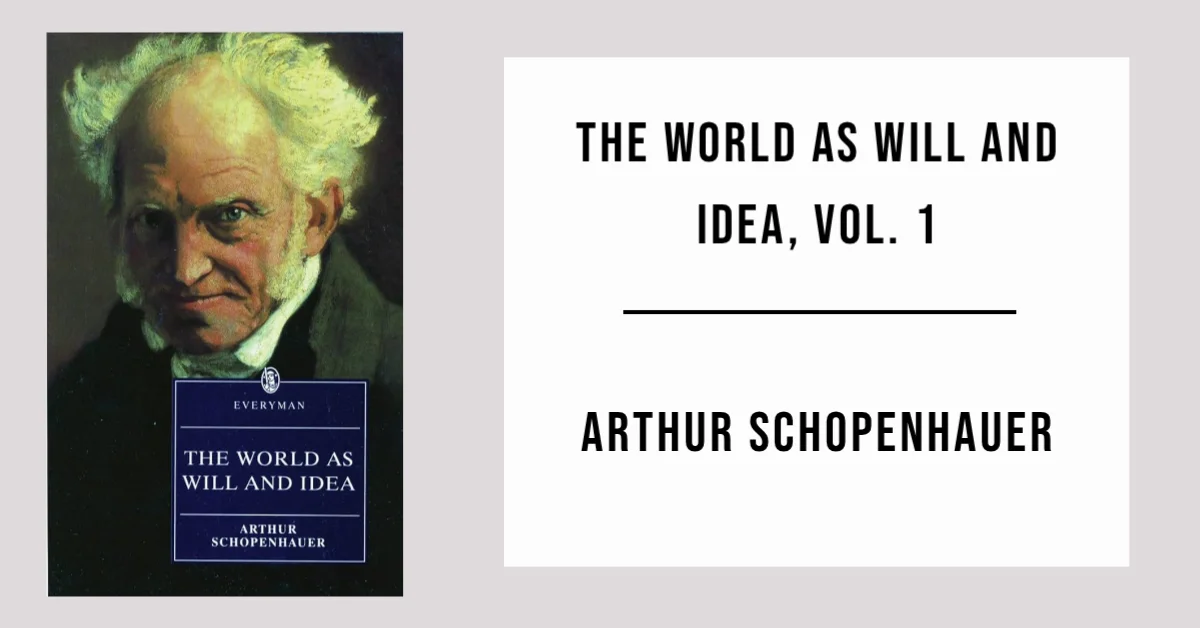
The World as Will and Idea, Vol. 1 by Arthur Schopenhauer
The World as Will and Idea, Vol. 2 by Arthur Schopenhauer
The World as Will and Idea, Vol. 3 by Arthur Schopenhauer