
The Essays of Arthur Schopenhauer Studies in Pessimism by Arthur Schopenhauer [PDF]
by InfoBooks
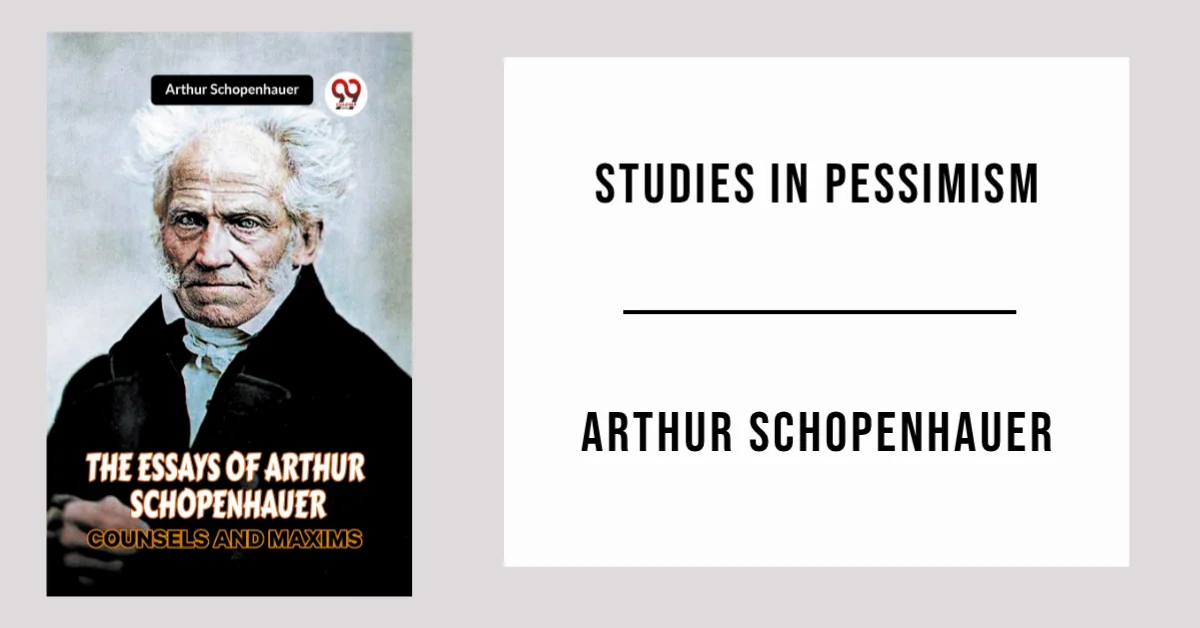
The Essays of Arthur Schopenhauer: Studies in Pessimism is a collection of philosophical essays by Arthur Schopenhauer, first published in 1851. In nine compact essays, Schopenhauer dissects suffering, vanity, and the illusions that keep us from seeing life as it really is.
Here you can download a free PDF copy of this philosophical classic and start reading right away. Schopenhauer's writing is direct, witty, and cuts through centuries of intellectual pretense.
Whether you are new to philosophy or already familiar with Schopenhauer's thought, these essays offer a sharp, honest perspective on the human condition that remains relevant today.
The Essays of Arthur Schopenhauer Studies in Pessimism by Arthur Schopenhauer
*Please wait a few seconds for the document to load, the time may vary depending on your internet connection. If you prefer, you can download the file by clicking the link below.
Loading PDF...
Information: The Essays of Arthur Schopenhauer Studies in Pessimism
- Author: Arthur Schopenhauer
- Publication Date: 1851
- Main Characters:
- The Will: Schopenhauer's central concept: a blind, purposeless force driving all living beings toward desires that can never be permanently satisfied, producing an endless cycle of suffering.
- Suffering and Pain: Presented as the positive, fundamental reality of existence, while pleasure and happiness are merely negative states defined by the temporary absence of pain.
- The Vanity of Existence: The idea that human pursuits and achievements are ultimately empty, since time erases everything and satisfaction always fades into new desire.
- Suicide and the Will to Live: A philosophical examination of suicide not as a moral question but as a paradox where the will to live turns against itself when suffering becomes unbearable.
- Resignation and Contemplation: The path Schopenhauer suggests toward relief: withdrawing from the cycle of desire through intellectual contemplation, aesthetic experience, and compassion.
- Brief Summary: Studies in Pessimism contains nine essays exploring human suffering, the vanity of existence, suicide, education, and psychological observations. Schopenhauer argues that pain is the fundamental reality of life, while happiness is merely the temporary absence of suffering. The collection also includes essays on noise, women, and a set of parables that illustrate his philosophical points. Written in a conversational, often sardonic style, the essays are drawn from his larger work Parerga und Paralipomena (1851).
- Thematic Analysis: The central theme is that suffering is built into the fabric of existence, driven by the endless cycle of desire and dissatisfaction. Schopenhauer connects this to his broader philosophy of the Will, arguing that conscious life inherently involves frustration. Rather than offering solutions, the essays invite the reader to recognize these patterns and find intellectual liberation through understanding.
- Historical Context: Written in the mid-19th century, these essays emerged during a period of European intellectual upheaval when the certainties of Enlightenment rationalism were being questioned. Schopenhauer's pessimistic philosophy drew heavily from Eastern traditions, particularly Buddhism and Hindu thought, making him one of the first major Western philosophers to seriously engage with Asian philosophy. His ideas directly influenced Nietzsche, Freud, Wittgenstein, and numerous literary figures including Thomas Mann and Jorge Luis Borges.
Books by Arthur Schopenhauer
Essays Of Schopenhauer by Arthur Schopenhauer

On Women by Arthur Schopenhauer
On the Fourfold Root of the Principle of Sufficient Reason by Arthur Schopenhauer
The Basis Of Morality by Arthur Schopenhauer
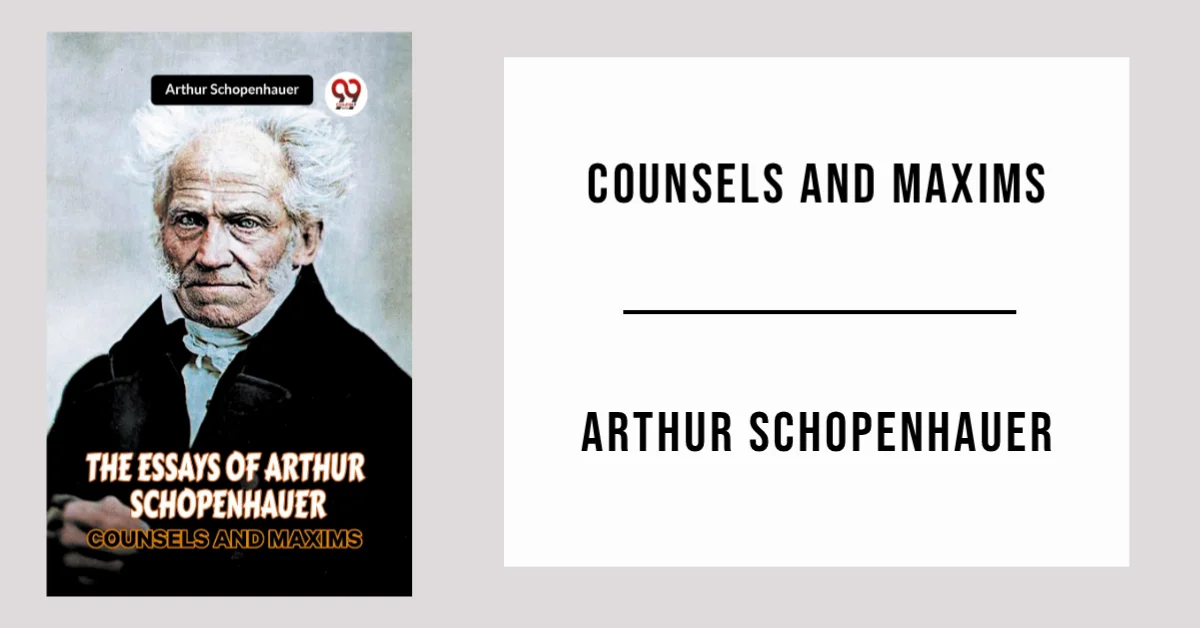
The Essays of Arthur Schopenhauer Counsels and Maxims by Arthur Schopenhauer
The Essays of Arthur Schopenhauer Religion a Dialogue Etc by Arthur Schopenhauer
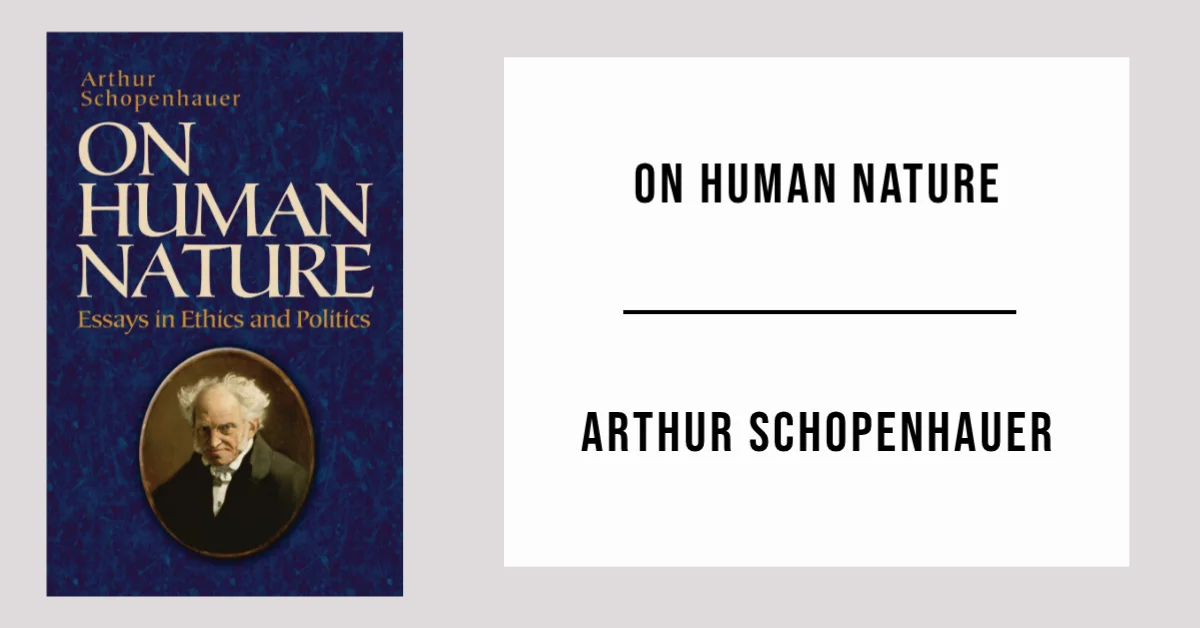
The Essays of Arthur Schopenhauer on Human Nature by Arthur Schopenhauer
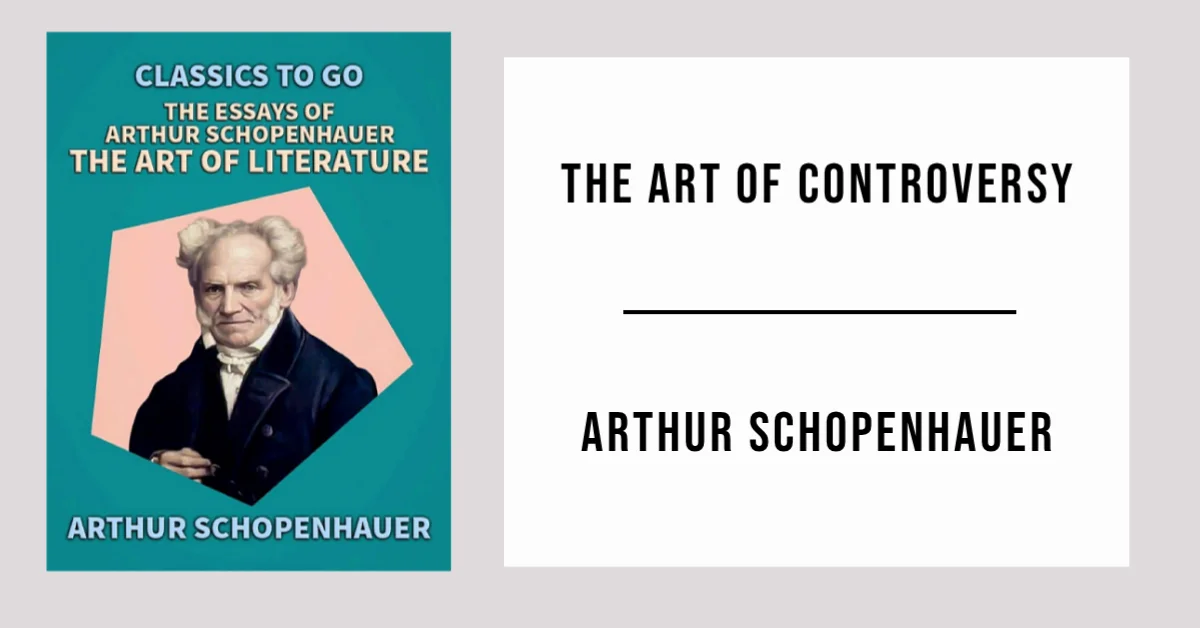
The Essays of Arthur Schopenhauer the Art of Controversy by Arthur Schopenhauer
The Essays of Arthur Schopenhauer the Art of Literature by Arthur Schopenhauer
The Essays of Arthur Schopenhauer the Wisdom of Life by Arthur Schopenhauer
The World as Will and Idea, Vol. 1 by Arthur Schopenhauer

The World as Will and Idea, Vol. 2 by Arthur Schopenhauer

The World as Will and Idea, Vol. 3 by Arthur Schopenhauer