
The Essays of Arthur Schopenhauer the Art of Controversy by Arthur Schopenhauer [PDF]
by InfoBooks
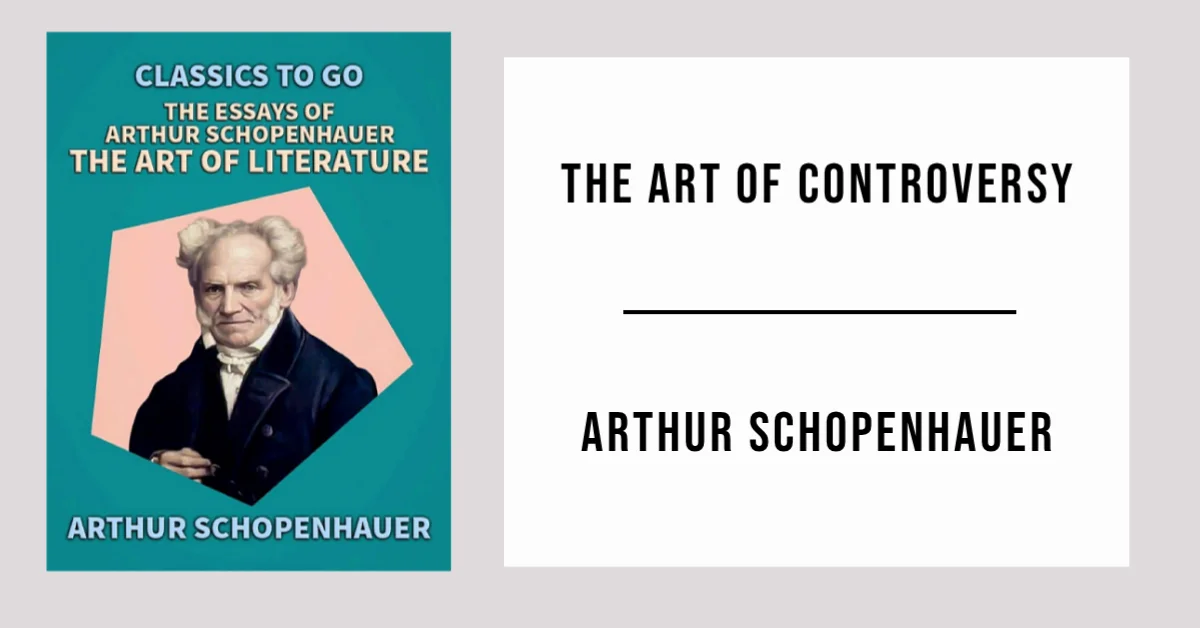
We present The Essays of Arthur Schopenhauer the Art of Controversy, a work by the German philosopher Arthur Schopenhauer that dissects the mechanics of argumentation with surgical precision. This is a practical manual on how people win debates, even when they are wrong. Originally written in the early nineteenth century and published posthumously, the collection remains one of the most clear-eyed examinations of human reasoning and rhetorical strategy ever put to paper.
You can download a free PDF copy right here on InfoBooks and start reading immediately. Schopenhauer's thirty-eight stratagems will change the way you listen to every argument from now on. Each technique is explained with examples that make the logic behind them easy to grasp, whether you are a student of philosophy or simply curious about how persuasion works.
Once you read this book, you will start spotting these stratagems everywhere, from news panels to family dinners. Schopenhauer does not teach you to be dishonest; he teaches you to see dishonesty clearly. That distinction makes all the difference.
The Essays of Arthur Schopenhauer the Art of Controversy by Arthur Schopenhauer
*Please wait a few seconds for the document to load, the time may vary depending on your internet connection. If you prefer, you can download the file by clicking the link below.
Loading PDF...
Information: The Essays of Arthur Schopenhauer the Art of Controversy
- Author: Arthur Schopenhauer
- Publication Date: 1896
- Main Characters:
- Eristic Dialectic: The art of disputing in such a way as to hold one's own, whether right or wrong. Schopenhauer distinguishes this from logic, which seeks truth.
- The Thirty-Eight Stratagems: A numbered catalogue of argumentative tricks, from generalizing your opponent's specific claims to using anger to cloud their judgment.
- Vanity and Dishonesty in Debate: Schopenhauer's observation that most people argue not to find truth but to protect their ego, making genuine intellectual exchange rare.
- The Distinction Between Logic and Dialectic: A foundational concept in the essays: logic concerns itself with the form of correct reasoning, while dialectic concerns itself with winning, regardless of correctness.
- Brief Summary: This collection presents Arthur Schopenhauer's examination of eristic dialectic, the art of winning arguments regardless of truth. The central essay outlines thirty-eight specific stratagems that debaters use, from extending an opponent's claim beyond its original scope to exploiting ambiguity in language. Additional essays in the collection touch on aesthetics, psychological observations, and aphorisms on wisdom. The writing style is direct, witty, and often biting, reflecting Schopenhauer's famously pessimistic worldview.
- Thematic Analysis: The core theme is the separation between truth and persuasion. Schopenhauer argues that formal logic deals with truth, while dialectic deals with winning, and that most people are far better at the latter without even knowing it. The essays also explore vanity as the engine of most disputes, suggesting that arguments persist not because people seek truth but because they refuse to appear wrong.
- Historical Context: Schopenhauer wrote these essays in the early 1830s, but they were published posthumously in 1896 in T. Bailey Saunders' English translation. His work builds on the dialectical traditions of Aristotle and the Sophists, reinterpreting ancient rhetorical strategies for a modern philosophical audience. The book emerged during a period when European intellectuals were intensely debating the limits of reason and the nature of human knowledge.
Books by Arthur Schopenhauer
Essays Of Schopenhauer by Arthur Schopenhauer
On Women by Arthur Schopenhauer
On the Fourfold Root of the Principle of Sufficient Reason by Arthur Schopenhauer
The Basis Of Morality by Arthur Schopenhauer
The Essays of Arthur Schopenhauer Counsels and Maxims by Arthur Schopenhauer
The Essays of Arthur Schopenhauer Religion a Dialogue Etc by Arthur Schopenhauer
The Essays of Arthur Schopenhauer Studies in Pessimism by Arthur Schopenhauer
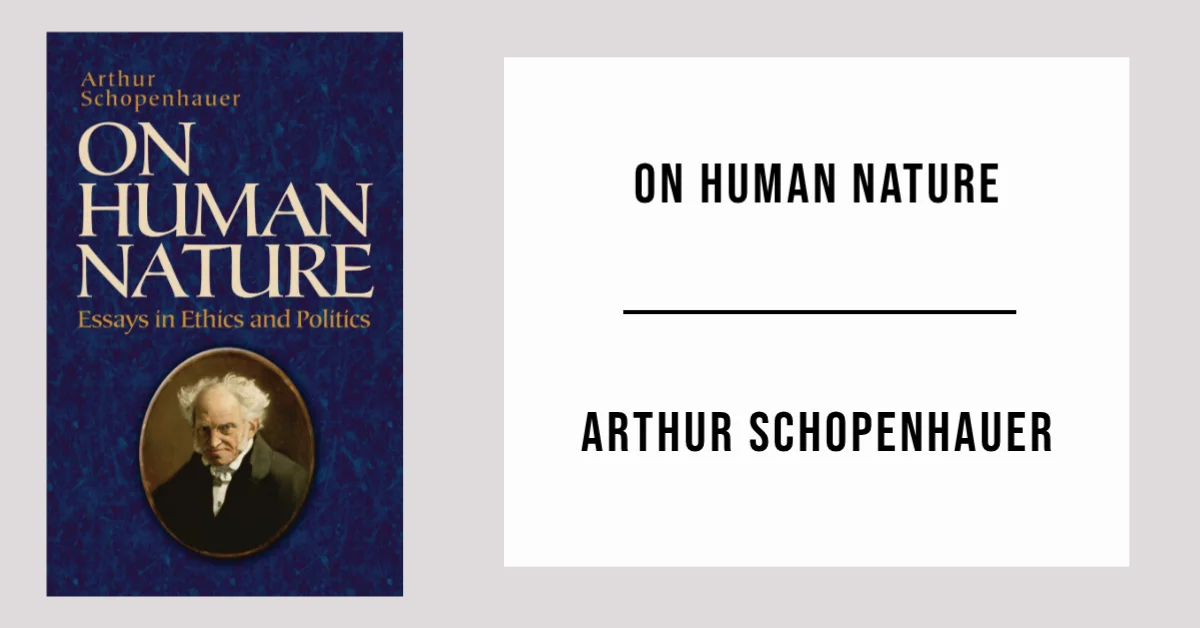
The Essays of Arthur Schopenhauer on Human Nature by Arthur Schopenhauer
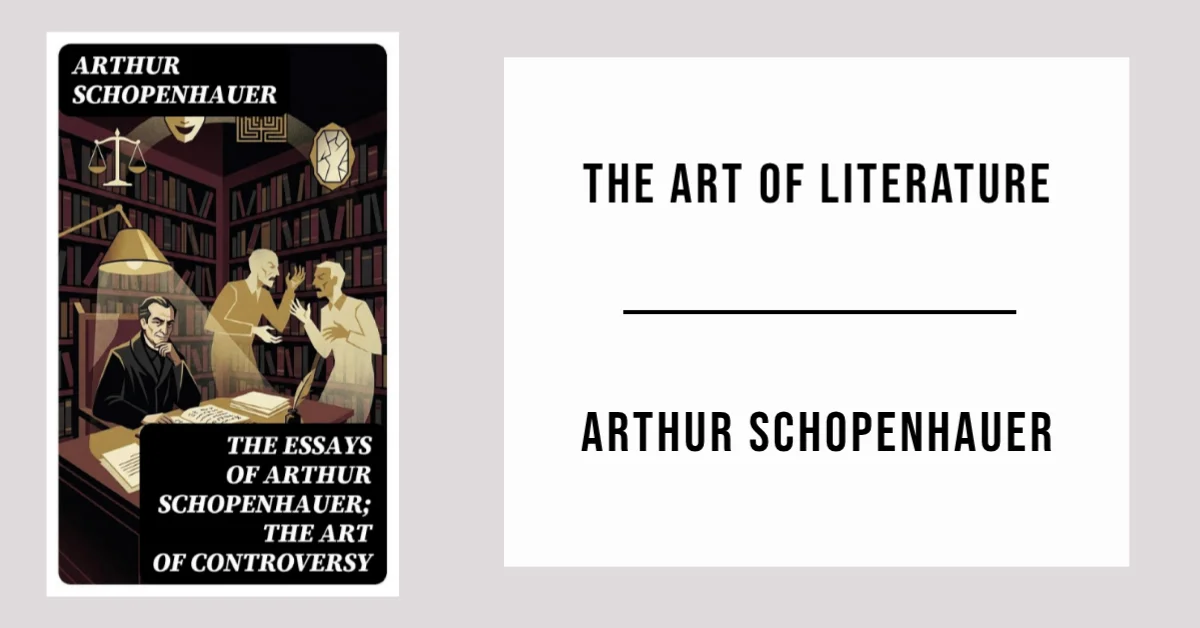
The Essays of Arthur Schopenhauer the Art of Literature by Arthur Schopenhauer
The Essays of Arthur Schopenhauer the Wisdom of Life by Arthur Schopenhauer
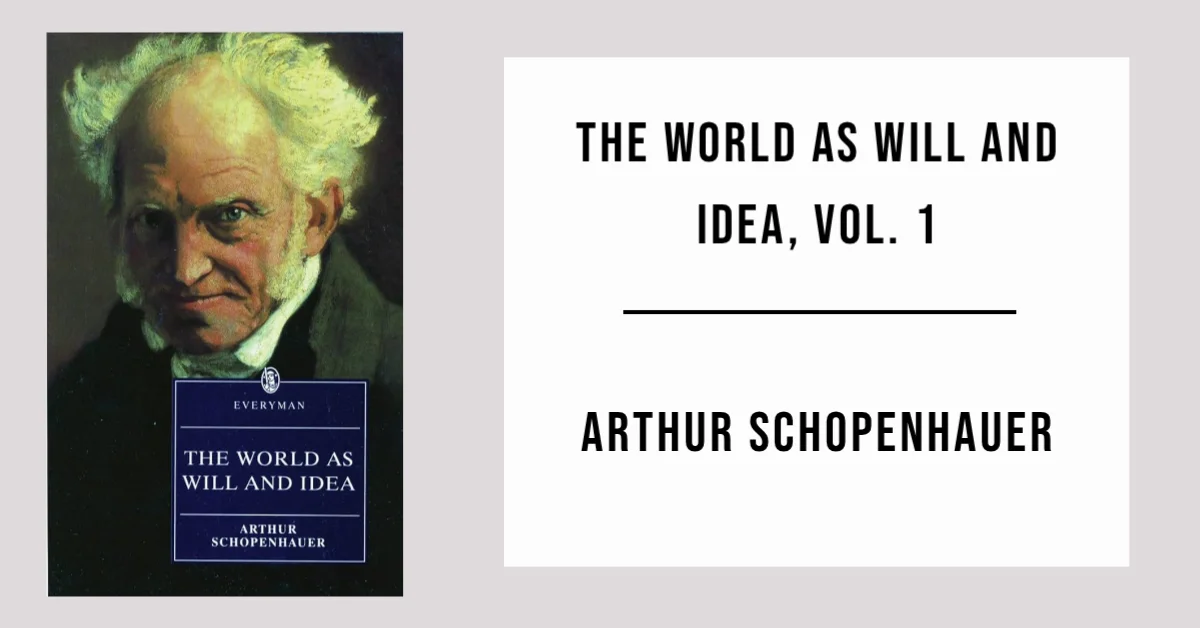
The World as Will and Idea, Vol. 1 by Arthur Schopenhauer
The World as Will and Idea, Vol. 2 by Arthur Schopenhauer
The World as Will and Idea, Vol. 3 by Arthur Schopenhauer