
The Essays of Arthur Schopenhauer the Art of Literature by Arthur Schopenhauer [PDF]
by InfoBooks
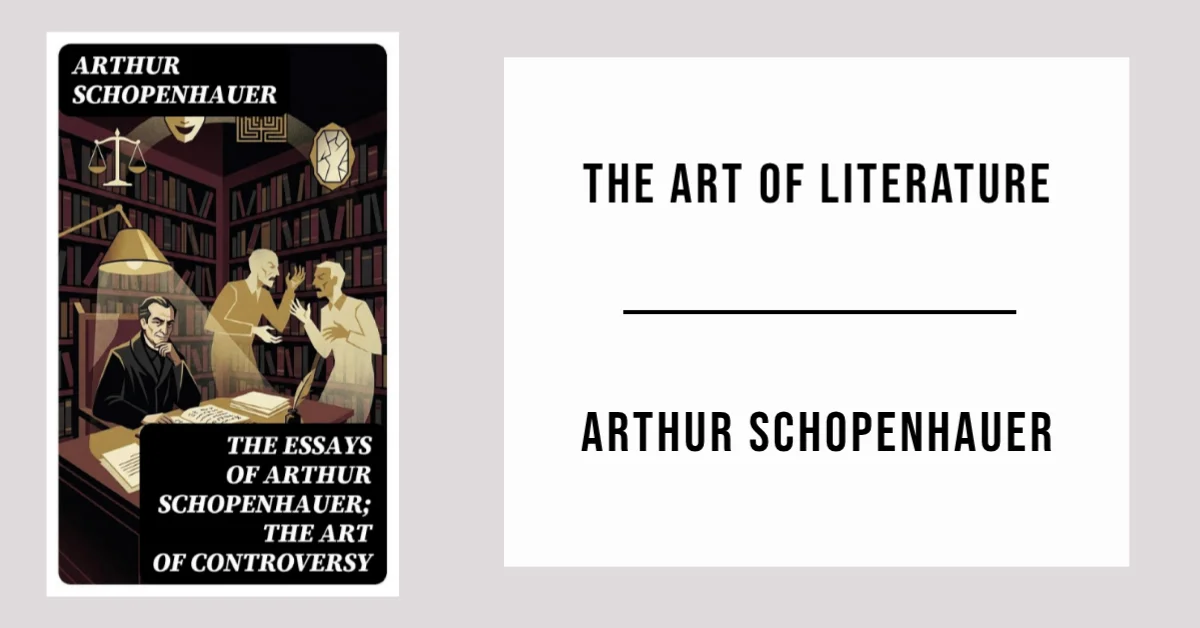
The Essays of Arthur Schopenhauer the Art of Literature, by Arthur Schopenhauer, is a series of essays that tackle the big questions about writing and literary culture. Schopenhauer brings the same uncompromising honesty he applied to philosophy into his analysis of literature, style, and the act of reading itself.
You can download this book in PDF format, free, and discover Schopenhauer's fierce opinions on authorship, originality, and what makes writing worth reading. His essays on style and thinking for yourself are still quoted by writers today.
Whether you're a writer looking for honest advice or a reader who wants to understand why certain books endure, Schopenhauer delivers with clarity and conviction. These essays will change how you look at your bookshelf.
The Essays of Arthur Schopenhauer the Art of Literature by Arthur Schopenhauer
*Please wait a few seconds for the document to load, the time may vary depending on your internet connection. If you prefer, you can download the file by clicking the link below.
Loading PDF...
Information: The Essays of Arthur Schopenhauer the Art of Literature
- Author: Arthur Schopenhauer
- Publication Date: 1891
- Main Characters:
- Style and Expression: Schopenhauer argues that true style is inseparable from clear thinking. Writing well is not about ornament but about having genuine ideas and expressing them with precision.
- Authorship and Originality: He distinguishes between writers who create from inner necessity and those who write for money or fame. Only the first group, he claims, produces work that lasts.
- On Thinking for Yourself: One of the most quoted essays in the collection. Schopenhauer warns that excessive reading can replace independent thought, turning readers into passive receivers of other people's ideas.
- The Literary Market: Schopenhauer criticizes the flood of mediocre books and the role of critics who lack the capacity to judge real quality. His complaints about publishing echo modern concerns about content overload.
- Reading and Education: He explores how reading should serve as a tool for developing one's own perspective, not as a substitute for thinking. Education, in his view, must cultivate judgment above all.
- Brief Summary: This collection gathers Schopenhauer's most incisive essays on literature, writing, and intellectual life. He examines the nature of style, the purpose of authorship, and the relationship between reading and independent thought. The essays argue that genuine literature comes from thinkers who write because they have something to say, not because they want to fill pages. Schopenhauer also critiques the literary market of his time, offering observations that remain relevant to publishing today.
- Thematic Analysis: The central themes revolve around authenticity in writing, the distinction between thinking and mere reading, and the conditions that produce lasting literature. Schopenhauer insists that style is not decoration but the direct expression of thought, and that most bad writing comes from confused minds rather than lack of talent.
- Historical Context: These essays were drawn from Schopenhauer's Parerga und Paralipomena (1851) and translated into English by T. Bailey Saunders in 1891. Written during a period when mass publishing was expanding rapidly, Schopenhauer's critiques of literary quantity over quality anticipated debates that continue in the digital age.
Books by Arthur Schopenhauer
Essays Of Schopenhauer by Arthur Schopenhauer
On Women by Arthur Schopenhauer
On the Fourfold Root of the Principle of Sufficient Reason by Arthur Schopenhauer
The Basis Of Morality by Arthur Schopenhauer
The Essays of Arthur Schopenhauer Counsels and Maxims by Arthur Schopenhauer
The Essays of Arthur Schopenhauer Religion a Dialogue Etc by Arthur Schopenhauer
The Essays of Arthur Schopenhauer Studies in Pessimism by Arthur Schopenhauer
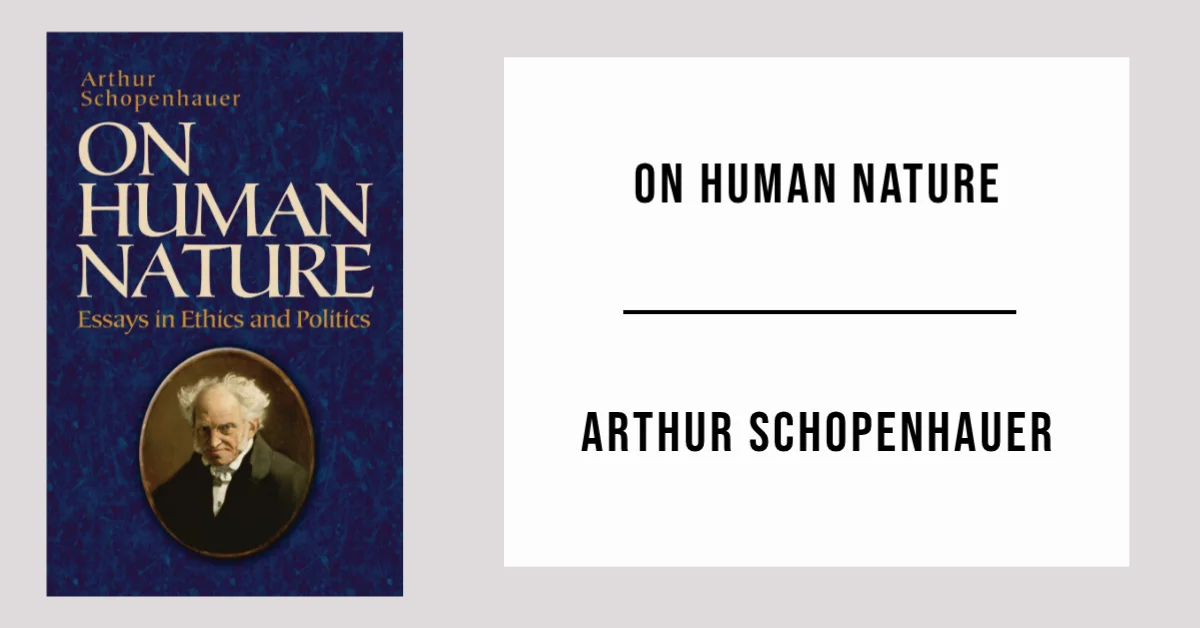
The Essays of Arthur Schopenhauer on Human Nature by Arthur Schopenhauer
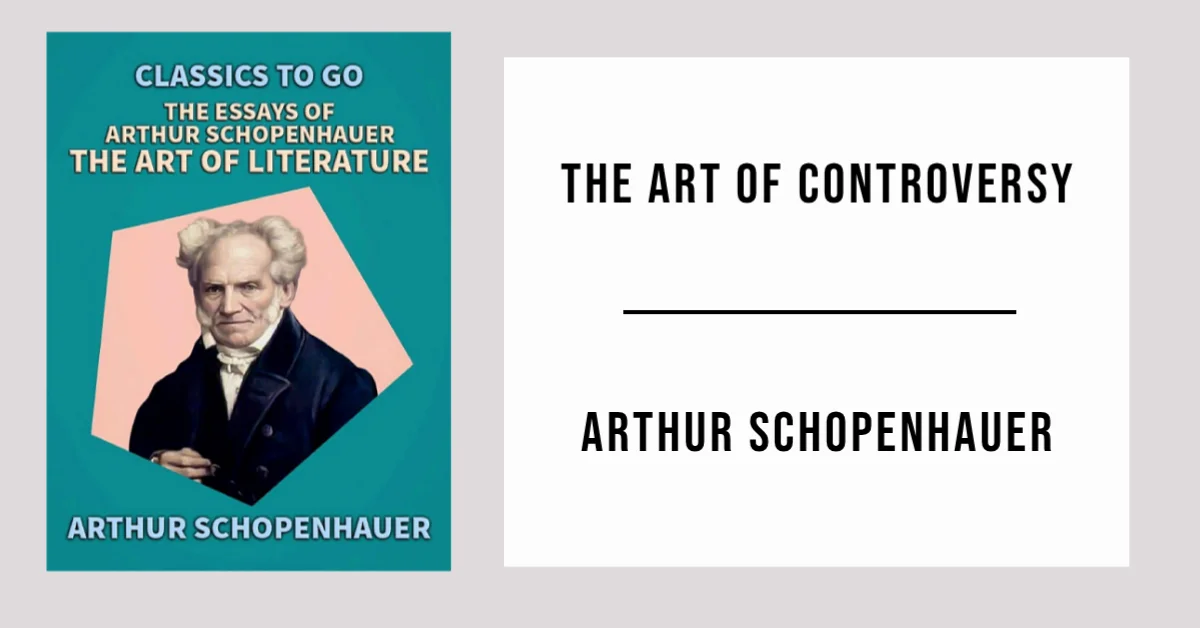
The Essays of Arthur Schopenhauer the Art of Controversy by Arthur Schopenhauer
The Essays of Arthur Schopenhauer the Wisdom of Life by Arthur Schopenhauer
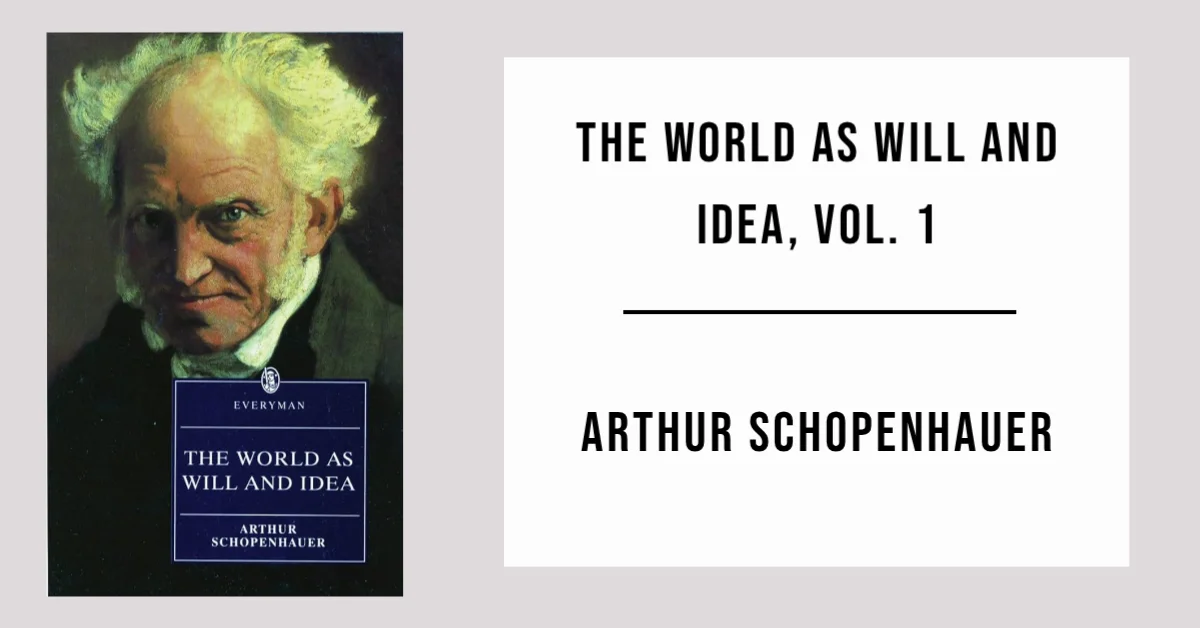
The World as Will and Idea, Vol. 1 by Arthur Schopenhauer
The World as Will and Idea, Vol. 2 by Arthur Schopenhauer
The World as Will and Idea, Vol. 3 by Arthur Schopenhauer