
The Essays of Arthur Schopenhauer the Wisdom of Life by Arthur Schopenhauer [PDF]
by InfoBooks
The Essays of Arthur Schopenhauer the Wisdom of Life, written by Arthur Schopenhauer, is a philosophical essay that tackles the question of how to live well. Schopenhauer argues that genuine happiness depends not on wealth or fame, but on the richness of your inner life.
You can download this work in PDF format for free and explore one of the most practical texts in Western philosophy. This essay gives you Schopenhauer's sharpest thinking on personality, health, intellect, and their role in human contentment.
Written in 1851, the ideas here feel more relevant today than when they were first published. If you've read the Stoics or Epicurus and want another perspective on the art of living, this is the natural next step.
The Essays of Arthur Schopenhauer the Wisdom of Life by Arthur Schopenhauer
*Please wait a few seconds for the document to load, the time may vary depending on your internet connection. If you prefer, you can download the file by clicking the link below.
Loading PDF...
Information: The Essays of Arthur Schopenhauer the Wisdom of Life
- Author: Arthur Schopenhauer
- Publication Date: 1851
- Main Characters:
- Personality and Inner Worth: Schopenhauer's concept that a person's character, intellect, and temperament are the primary determinants of happiness, outweighing all external factors.
- Property and Possessions: The second division of happiness, examining how material wealth contributes to well-being, though Schopenhauer argues its role is limited compared to inner qualities.
- Reputation and Position: The third division, analyzing how social standing and others' opinions affect us, which Schopenhauer considers the least reliable source of contentment.
- Solitude vs. Society: A recurring theme where Schopenhauer defends the value of solitude for intellectual and personal development, arguing that the capacity to be alone reflects inner richness.
- Brief Summary: The Wisdom of Life examines what truly contributes to human happiness. Schopenhauer organizes his analysis around three divisions: what a person is, what a person has, and what a person represents to others. He draws on thinkers from Aristotle to Epicurus while developing his own framework. The essay concludes that cultivating intellect, health, and temperament is the surest path to contentment. It remains one of the most readable works in 19th-century philosophy.
- Thematic Analysis: The central theme is the primacy of inner life over external circumstances. Schopenhauer explores how personality and intellect shape happiness far more than wealth, social rank, or public opinion. He also addresses loneliness, solitude, and the difference between pleasure and the absence of suffering.
- Historical Context: Published in 1851 as part of Parerga und Paralipomena, this work came late in Schopenhauer's career, after decades of relative obscurity. It was this collection that finally brought him public recognition and cemented his influence on later thinkers including Nietzsche, Freud, and Wittgenstein.
Books by Arthur Schopenhauer
Essays Of Schopenhauer by Arthur Schopenhauer
On Women by Arthur Schopenhauer
On the Fourfold Root of the Principle of Sufficient Reason by Arthur Schopenhauer
The Basis Of Morality by Arthur Schopenhauer
The Essays of Arthur Schopenhauer Counsels and Maxims by Arthur Schopenhauer
The Essays of Arthur Schopenhauer Religion a Dialogue Etc by Arthur Schopenhauer
The Essays of Arthur Schopenhauer Studies in Pessimism by Arthur Schopenhauer
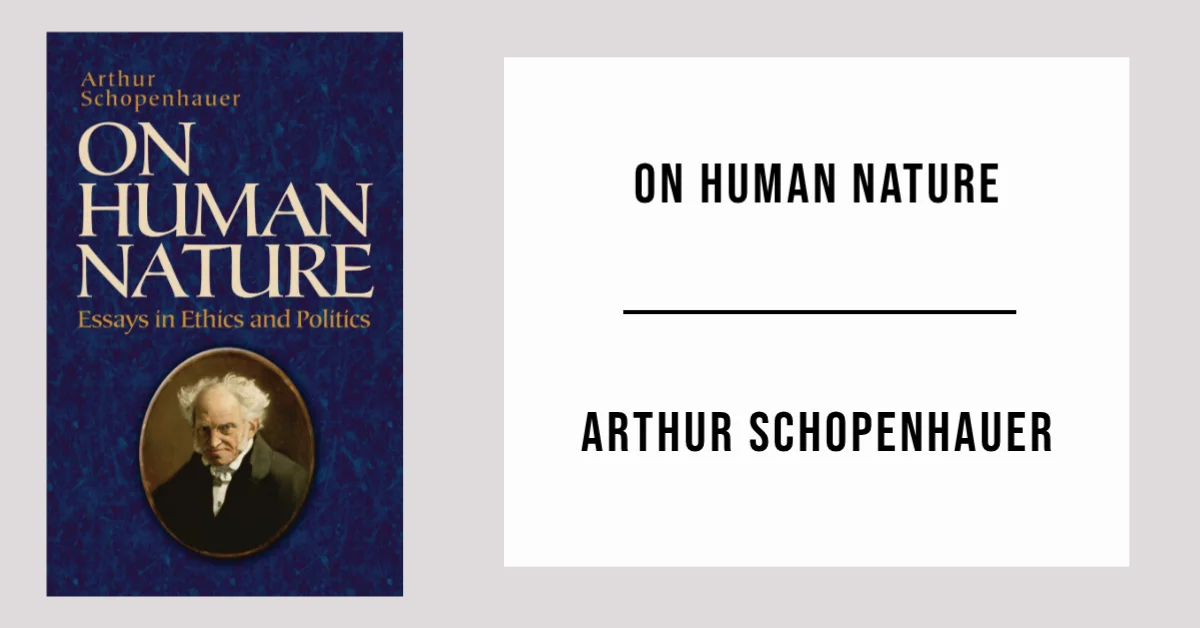
The Essays of Arthur Schopenhauer on Human Nature by Arthur Schopenhauer
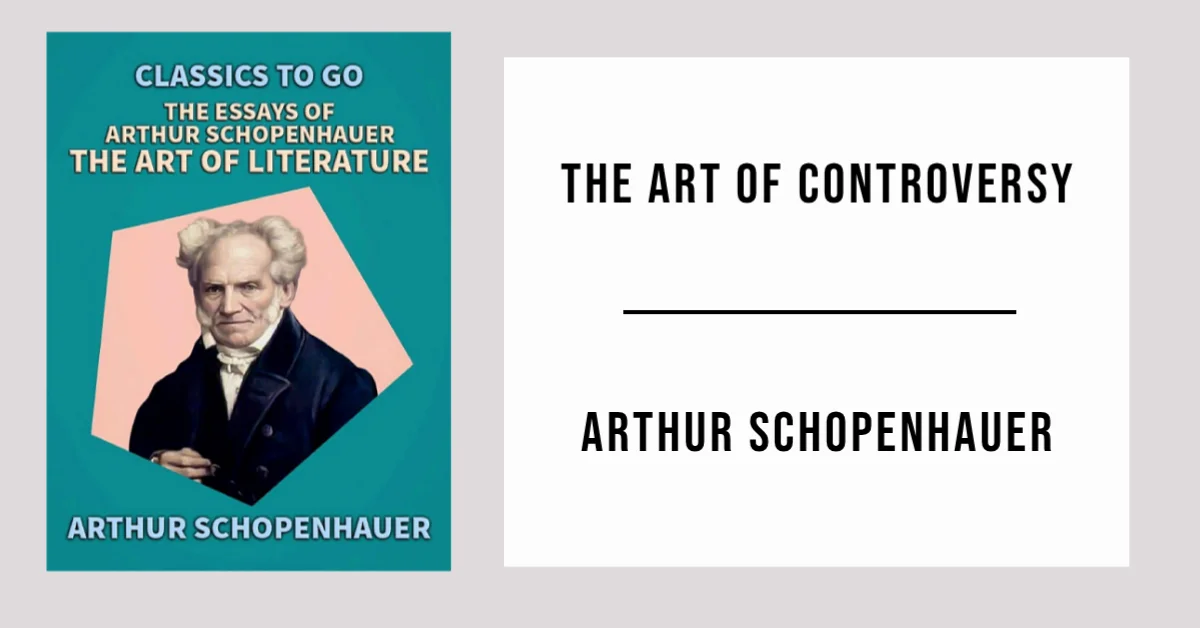
The Essays of Arthur Schopenhauer the Art of Controversy by Arthur Schopenhauer
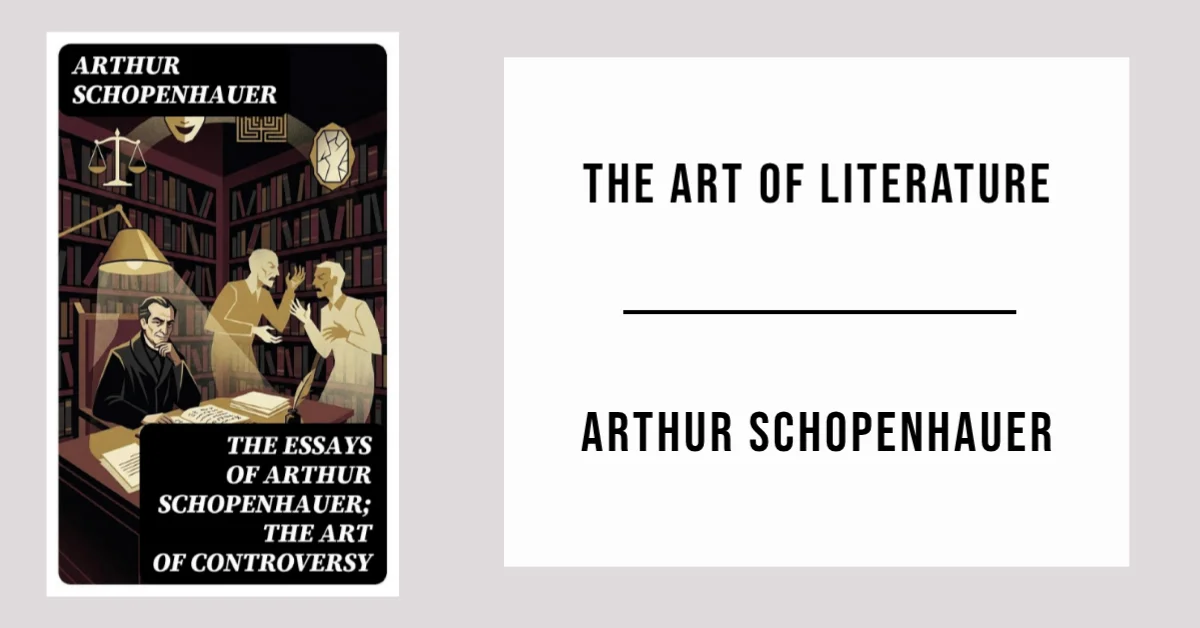
The Essays of Arthur Schopenhauer the Art of Literature by Arthur Schopenhauer
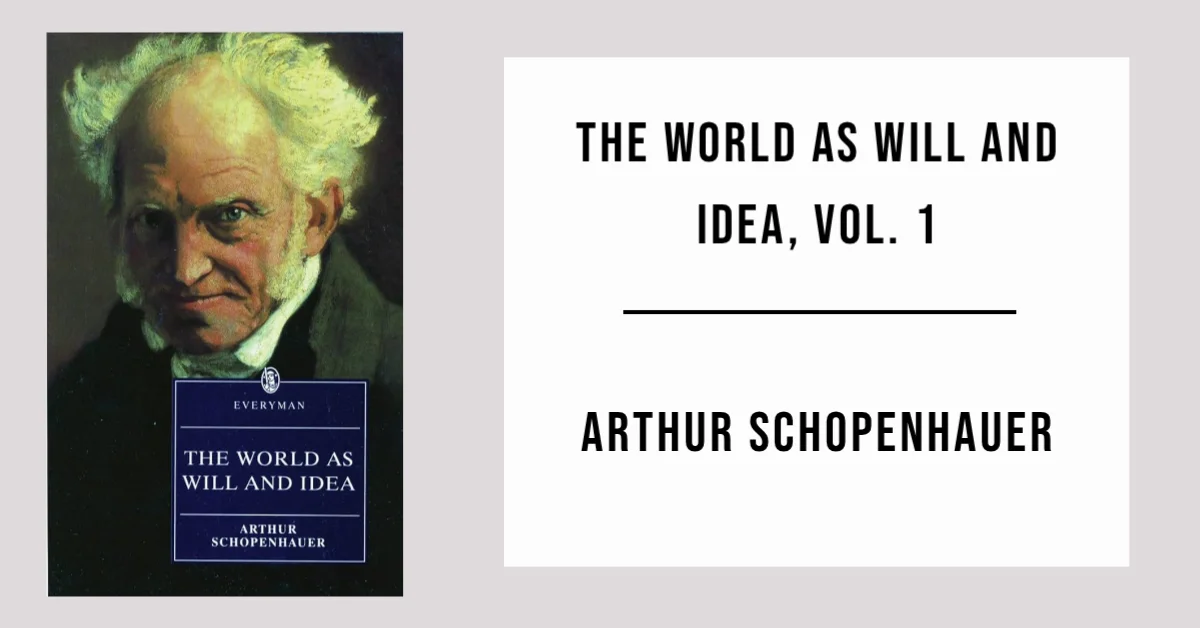
The World as Will and Idea, Vol. 1 by Arthur Schopenhauer
The World as Will and Idea, Vol. 2 by Arthur Schopenhauer
The World as Will and Idea, Vol. 3 by Arthur Schopenhauer