
The Lady of the Camellias by Alexandre Dumas [PDF]
by InfoBooks
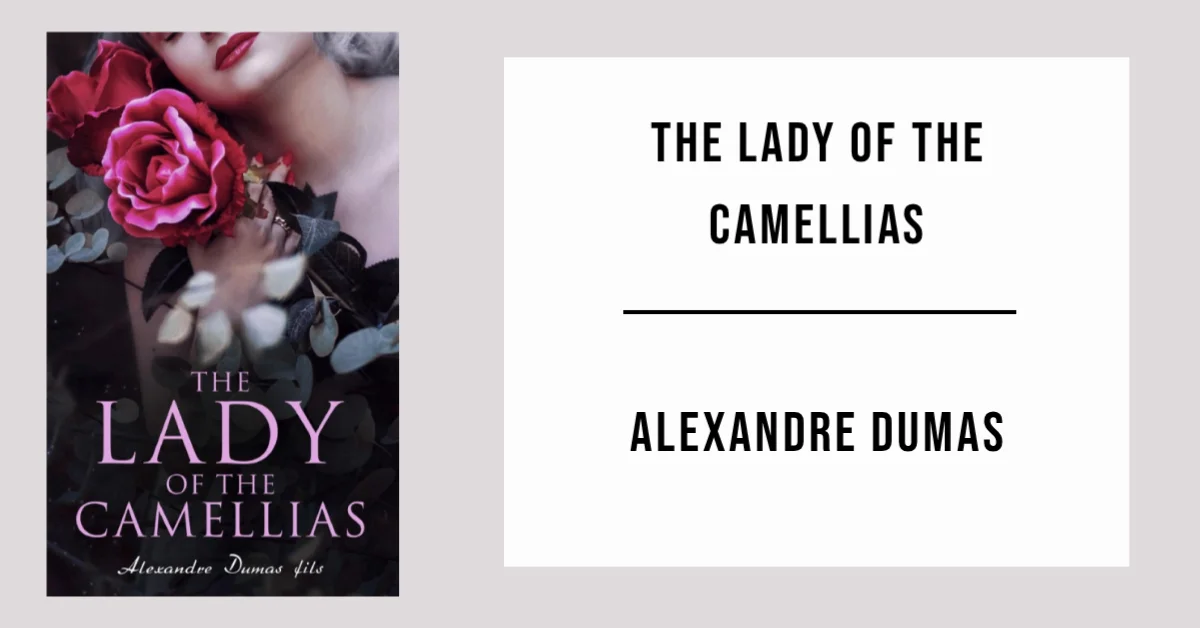
The Lady of the Camellias by Alexandre Dumas fils is a love story built on impossible circumstances. A young courtesan and a bourgeois man try to build something real in a society that won't allow it.
You can download this book in PDF format for free and start reading right away. It's one of the most influential love stories of the 19th century, and it reads faster than you'd expect.
Few people know this book directly, but almost everyone knows its legacy through Verdi's La Traviata or countless film adaptations. Reading the original source gives you something no adaptation captures: Marguerite's own voice and contradictions.
The Lady of the Camellias by Alexandre Dumas
*Please wait a few seconds for the document to load, the time may vary depending on your internet connection. If you prefer, you can download the file by clicking the link below.
Loading PDF...
Information: The Lady of the Camellias
- Author: Alexandre Dumas
- Publication Date: 1848
- Main Characters:
- Marguerite Gautier: A beautiful and famous Parisian courtesan who keeps camellias as her signature flower. She falls in love with Armand but is forced to choose between her happiness and his family's honor.
- Armand Duval: A young man from a respectable family who becomes consumed by his love for Marguerite. His jealousy and pride lead to painful consequences.
- Monsieur Duval: Armand's father, who pressures Marguerite to leave his son to protect the family's social standing and his daughter's marriage prospects.
- Prudence Duvernoy: Marguerite's neighbor and friend who acts as a go-between, often motivated by her own financial interests.
- Brief Summary: Armand Duval, a young bourgeois man, falls in love with Marguerite Gautier, a famous courtesan in Paris. Despite their different social positions, they begin a passionate relationship and retreat to the countryside. But Armand's father intervenes, asking Marguerite to leave his son for the sake of the family's reputation. What follows is a story of sacrifice, misunderstanding, and regret told through letters and memories after Marguerite's death.
- Thematic Analysis: The novel explores the collision between genuine love and social class. Marguerite's willingness to sacrifice her own happiness reveals how society punishes women for their past while rewarding men for the same behavior. The book also examines how pride and misunderstanding can destroy what two people actually want.
- Historical Context: Published in 1848, the novel was based on Alexandre Dumas fils' real relationship with Marie Duplessis, a well-known Parisian courtesan who died of tuberculosis at 23. The book caused a scandal for its sympathetic portrayal of a "fallen woman" and became one of the bestselling novels in France before being adapted into the opera La Traviata by Verdi in 1853.
Books by Alexandre Dumas

Ali Pacha by Alexandre Dumas
Angel Pitou by Alexandre Dumas
Chicot the Jester by Alexandre Dumas
Louise De La Valliere by Alexandre Dumas

Murat by Alexandre Dumas

Nisida by Alexandre Dumas
Queen Margot by Alexandre Dumas

Ten Years Later by Alexandre Dumas

The Black Tulip by Alexandre Dumas

The Borgias by Alexandre Dumas

The Cenci by Alexandre Dumas
The Companions of Jehu by Alexandre Dumas
The Count of Monte Cristo by Alexandre Dumas
The Countess of Charny by Alexandre Dumas
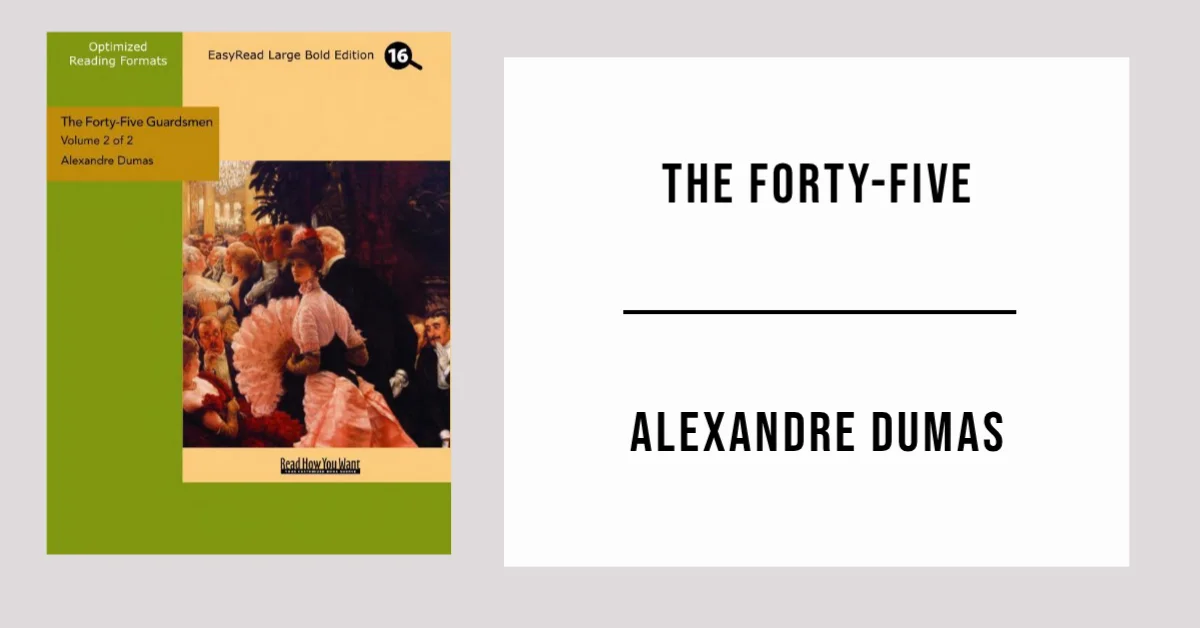
The Forty-five by Alexandre Dumas

The Man in the Iron Mask by Alexandre Dumas
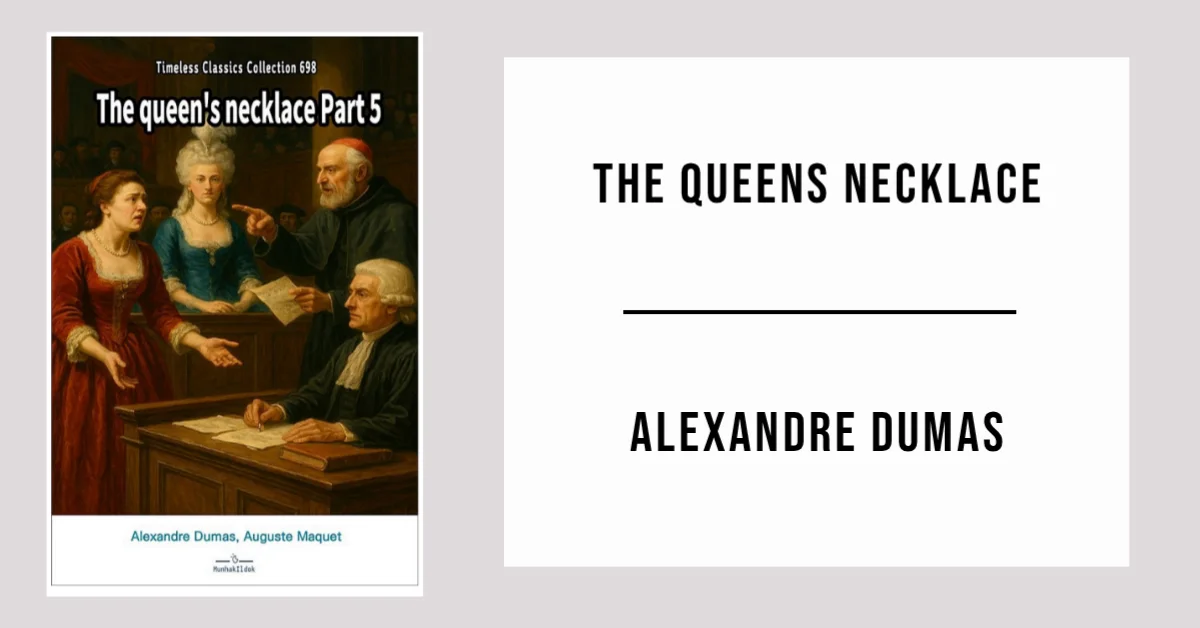
The Queen’s Necklace by Alexandre Dumas

The Three Musketeers by Alexandre Dumas
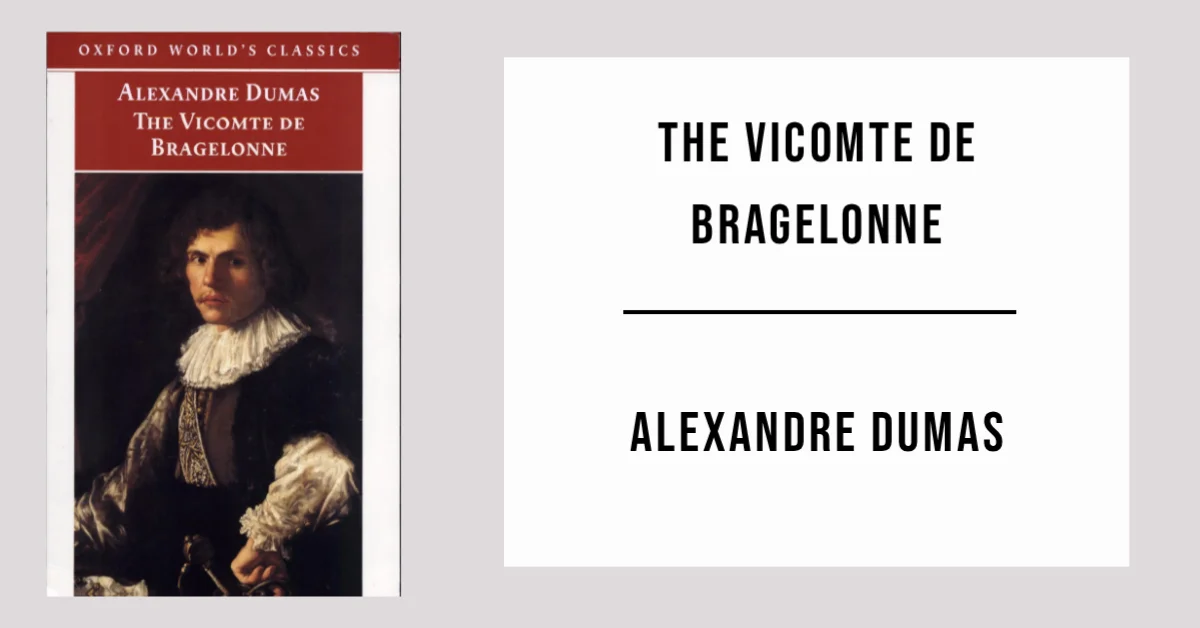
The Vicomte De Bragelonne by Alexandre Dumas

The Women's War by Alexandre Dumas

Twenty Years After by Alexandre Dumas

Vaninka by Alexandre Dumas