
The Lost Girl by D.H. Lawrence [PDF]
by InfoBooks
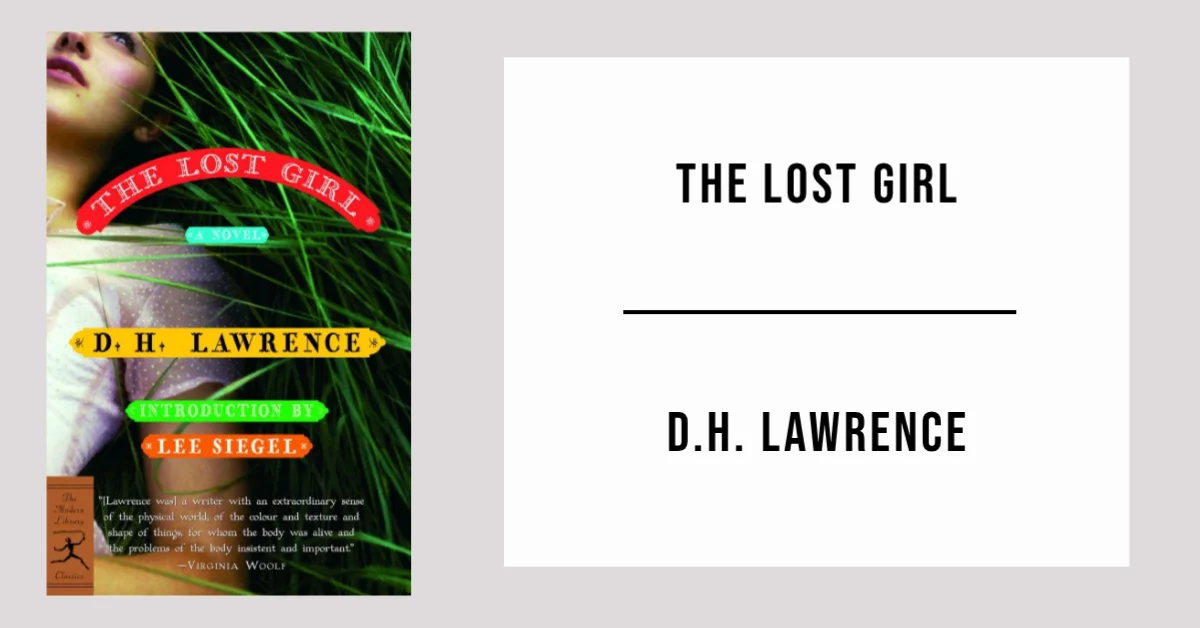
D.H. Lawrence wrote The Lost Girl during a period of intense creative output, and the novel pulses with his signature energy. It tells the story of Alvina Houghton, a woman trapped in a declining English mining town who dares to pursue a life driven by passion rather than propriety. This is Lawrence at his most human: writing about the cost of choosing desire over safety.
You can now read this novel in its entirety without spending a penny. Download The Lost Girl in free PDF format and discover one of the most underappreciated works in Lawrence's catalog. Having the full text on your device means you can explore Alvina's transformation at your own pace, wherever you are.
Whether you are already familiar with Lawrence's work or approaching him for the first time, The Lost Girl is surprisingly accessible. It blends sharp social observation with a love story that never takes the easy route. If you liked Sons and Lovers, try this one next for a different angle on Lawrence's recurring themes of class and personal freedom.
The Lost Girl by D.H. Lawrence
*Please wait a few seconds for the document to load, the time may vary depending on your internet connection. If you prefer, you can download the file by clicking the link below.
Loading PDF...
Information: The Lost Girl
- Author: D.H. Lawrence
- Publication Date: 1920
- Main Characters:
- Alvina Houghton: The protagonist, a young Englishwoman who rejects her stifling provincial life to follow her passion for Ciccio to Italy
- Ciccio (Francesco Marasca): An Italian performer in the Natcha-Kee-Tawara troupe who becomes Alvina's lover and husband
- James Houghton: Alvina's father, a failed businessman whose impractical ventures drain the family fortune
- Miss Pinnegar: The family's loyal housekeeper and surrogate mother figure who represents conventional English values
- Madame Rochard: The leader of the Natcha-Kee-Tawara traveling troupe who introduces Alvina to a world beyond Woodhouse
- Brief Summary: The Lost Girl follows Alvina Houghton, a young woman raised in the dreary mining town of Woodhouse, England. Her father's once-prosperous drapery business is in decline, and Alvina finds herself suffocated by the narrow expectations of provincial middle-class life. When a traveling theatrical troupe called the Natcha-Kee-Tawara arrives, she is drawn to Ciccio, a brooding Italian performer. She eventually abandons England to marry him and live in a primitive mountain village in southern Italy, exchanging one form of hardship for another but gaining a life that feels genuinely her own.
- Thematic Analysis: The novel explores the tension between social conformity and personal desire, examining how class expectations and gender roles imprison people in lives they never chose. Lawrence also contrasts English industrialized society with the raw, instinctive life he associated with Mediterranean culture, using Alvina's transformation to argue that authentic existence demands risk and sacrifice.
- Historical Context: Published in 1920, The Lost Girl was written during and after World War I, a period when traditional social structures in England were under enormous strain. Lawrence drew on his own experience of living in Italy with Frieda Weekley, and the novel reflects the post-war disillusionment with English industrial society that marked much of his generation's writing.
Books by D.H. Lawrence
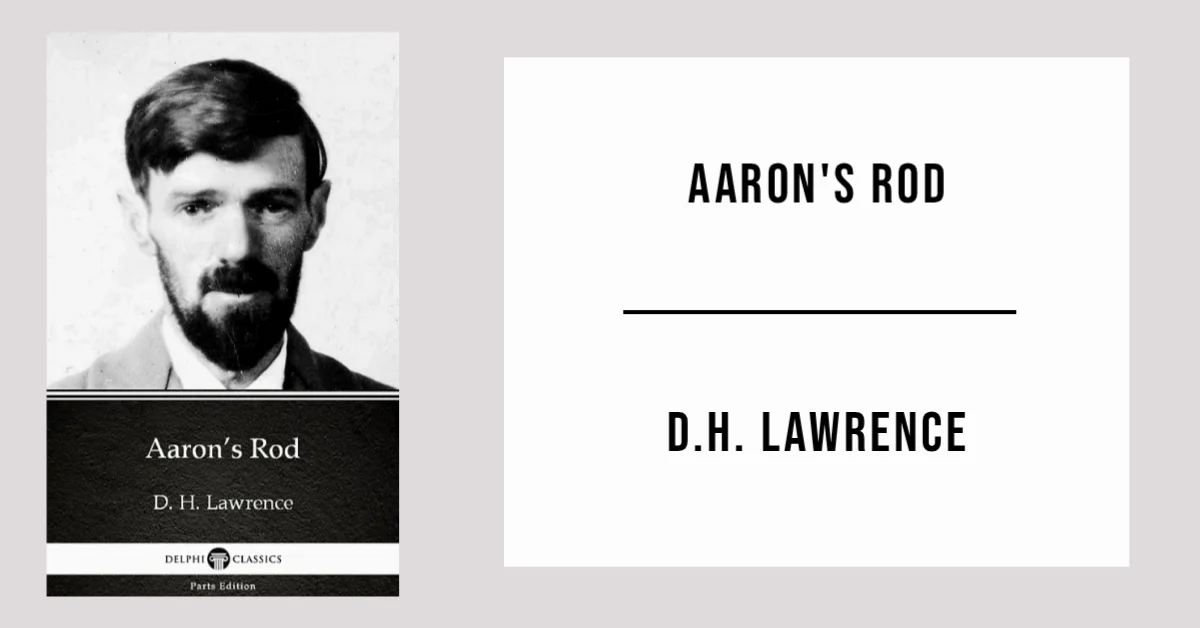
Aaron's Rod by D.H. Lawrence
Amores by D.H. Lawrence
England, My England by D.H. Lawrence
Fantasia of the Unconscious by D.H. Lawrence
Lady Chatterley’s Lover by D. H. Lawrence
Look! We Have Come Through! by D.H. Lawrence
Sons and Lovers by D. H. Lawrence
St Mawr by D.H. Lawrence
The Captain's Doll by D.H. Lawrence

The Fox by D.H. Lawrence
The Ladybird by D.H. Lawrence
The Rainbow by D.H. Lawrence
The White Peacock by D.H. Lawrence

Women in Love by D.H. Lawrence