
The Rainbow by D.H. Lawrence [PDF]
by InfoBooks
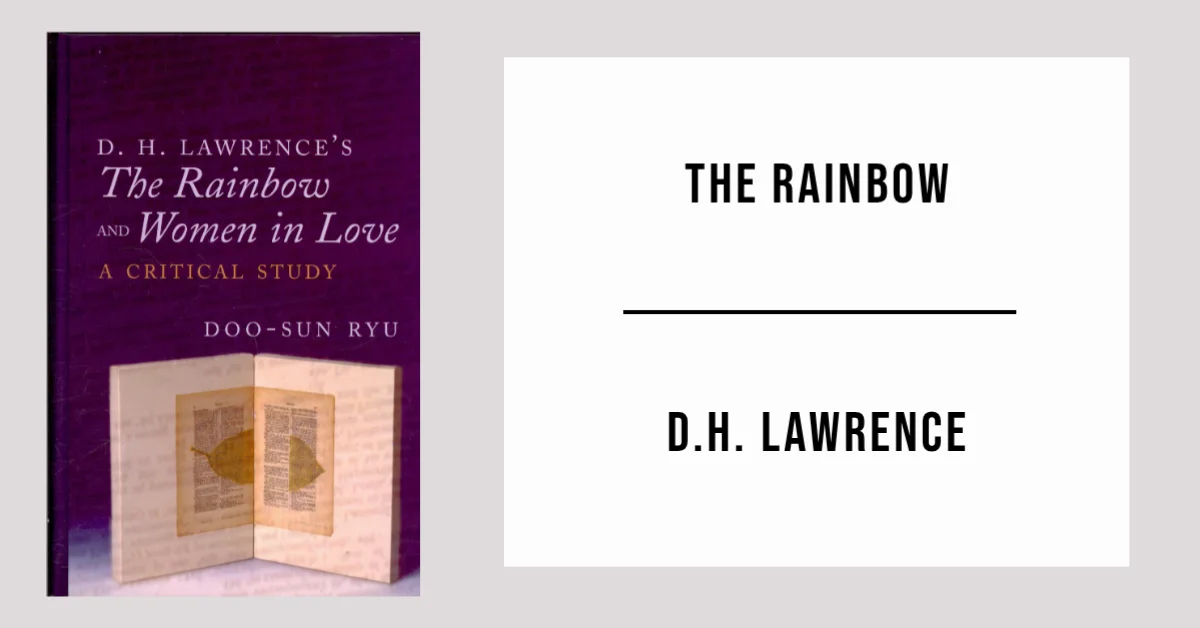
D.H. Lawrence wrote The Rainbow as a bold exploration of desire, identity, and the changing role of women across three generations of an English family. It was banned in 1915 for its unflinching honesty about sexuality and emotion, making it one of the most controversial novels of the twentieth century. The interesting thing about this author is that Lawrence refused to soften his vision, even when the courts ordered every copy destroyed.
Now you can read this groundbreaking novel in its entirety. Download your free PDF of The Rainbow and experience a story that challenged every social convention of its era. Perfect if you need a novel that combines psychological depth with vivid, sensual prose.
Whether you are studying Lawrence for the first time or revisiting a classic you once read, The Rainbow rewards careful attention. Its portrayal of Ursula Brangwen's fight for autonomy feels surprisingly accessible and thoroughly modern. Ideal for readers who appreciate fiction that treats emotional life with the same seriousness as the external world.
The Rainbow by D.H. Lawrence
*Please wait a few seconds for the document to load, the time may vary depending on your internet connection. If you prefer, you can download the file by clicking the link below.
Loading PDF...
Information: The Rainbow
- Author: D.H. Lawrence
- Publication Date: 1915
- Main Characters:
- Ursula Brangwen: The protagonist of the novel's final section. An independent, passionate young woman who pursues education and personal freedom, rejecting the conventional life expected of her.
- Tom Brangwen: The patriarch of the first generation. A farmer who marries Lydia Lensky and struggles to bridge the emotional distance between them.
- Lydia Lensky: A Polish widow who becomes Tom's wife. Her foreignness and reserve create both mystery and tension in the marriage.
- Anna Brangwen: Lydia's daughter from her first marriage, raised by Tom. She marries Will Brangwen and becomes consumed by domesticity, though she never fully surrenders her fierce independence.
- Will Brangwen: Anna's husband, a craftsman drawn to church architecture and religious art. His spiritual yearnings clash with Anna's practical nature.
- Brief Summary: The Rainbow spans roughly sixty years in the lives of the Brangwen family, beginning with Tom Brangwen's courtship of Lydia Lensky, a Polish widow, in rural Nottinghamshire. Their marriage sets the pattern for the novel's central question: how do men and women truly connect? The second generation, Anna and Will, struggle between domestic life and spiritual yearning. The final third follows their daughter Ursula as she pursues education, a teaching career, and a transformative love affair. The novel ends with Ursula's vision of a rainbow arching over the industrial landscape, symbolizing hope for renewal.
- Thematic Analysis: The central themes of The Rainbow include the conflict between individual desire and social expectation, the evolution of gender roles across generations, and the search for spiritual fulfillment beyond organized religion. Lawrence also examines the tension between the natural world and industrialization, using the English countryside as both setting and symbol. Sexuality serves not as scandal but as a lens for understanding how people seek wholeness.
- Historical Context: Published in 1915, The Rainbow arrived during World War I, a period of enormous social upheaval in Britain. The novel was prosecuted under the Obscene Publications Act and all copies were ordered destroyed, largely because of its candid treatment of sexuality and a same-sex relationship. Lawrence would not see the ban lifted in his lifetime; the unexpurgated edition was not freely available in Britain until 1971.
Books by D.H. Lawrence
Aaron's Rod by D.H. Lawrence
Amores by D.H. Lawrence
England, My England by D.H. Lawrence
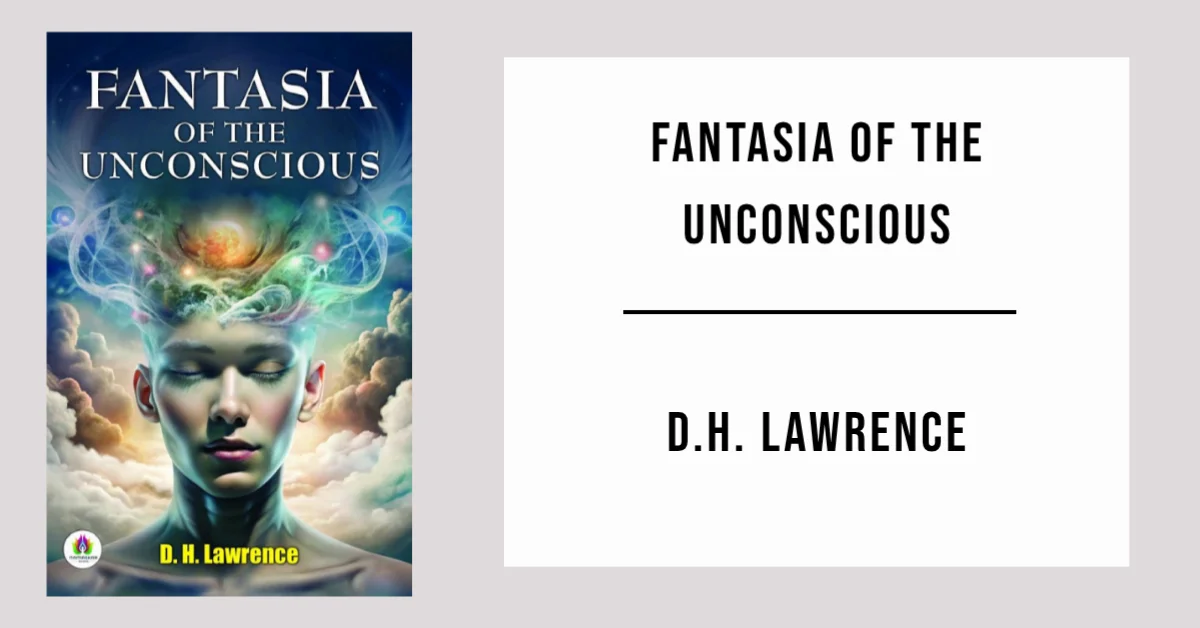
Fantasia of the Unconscious by D.H. Lawrence
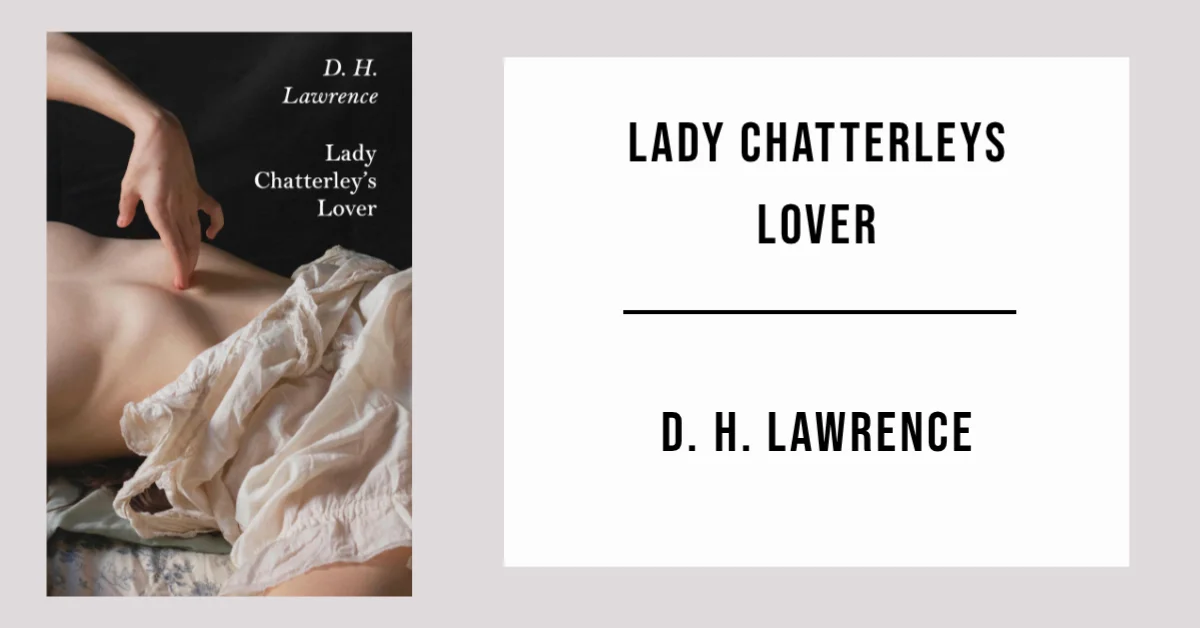
Lady Chatterley’s Lover by D. H. Lawrence
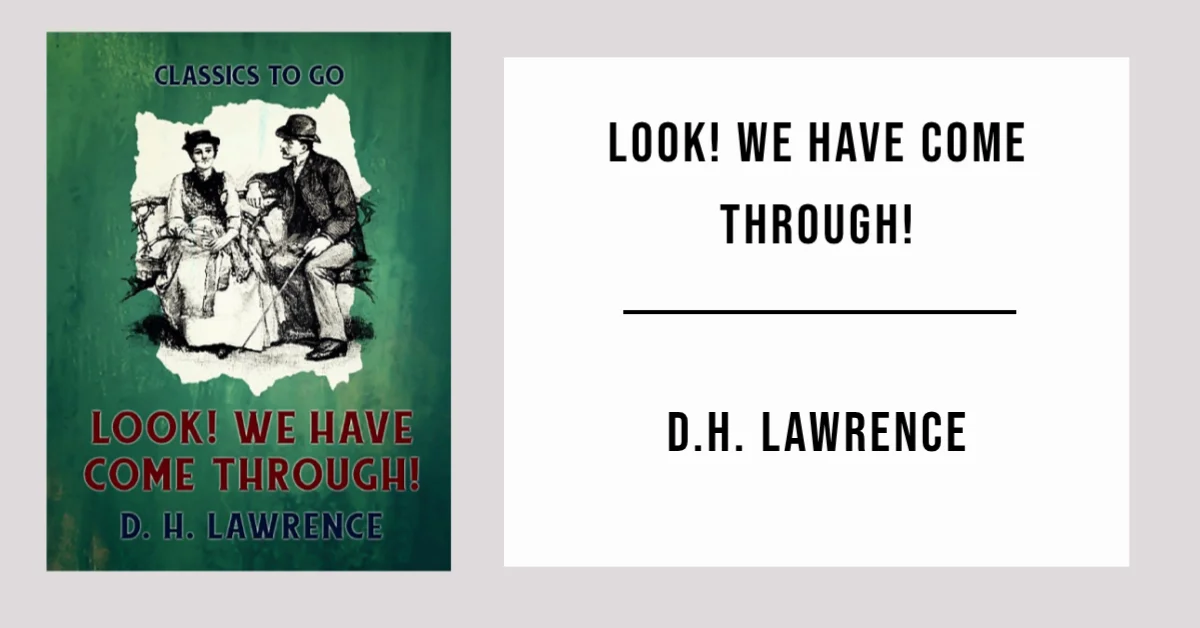
Look! We Have Come Through! by D.H. Lawrence
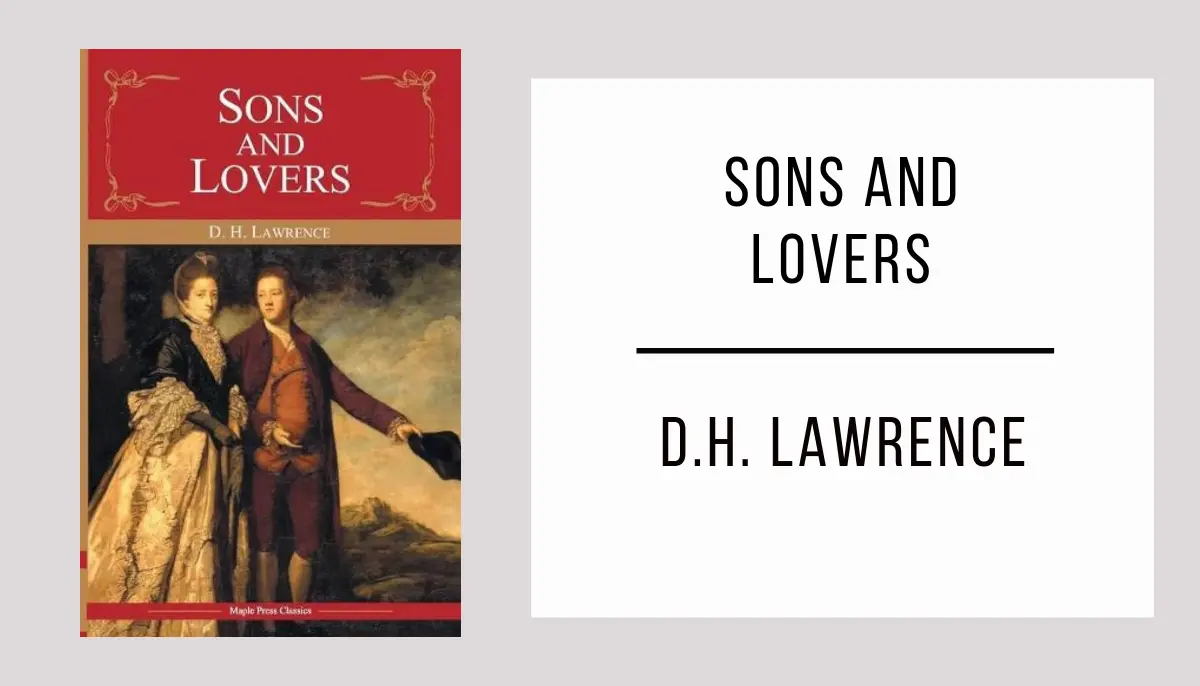
Sons and Lovers by D. H. Lawrence
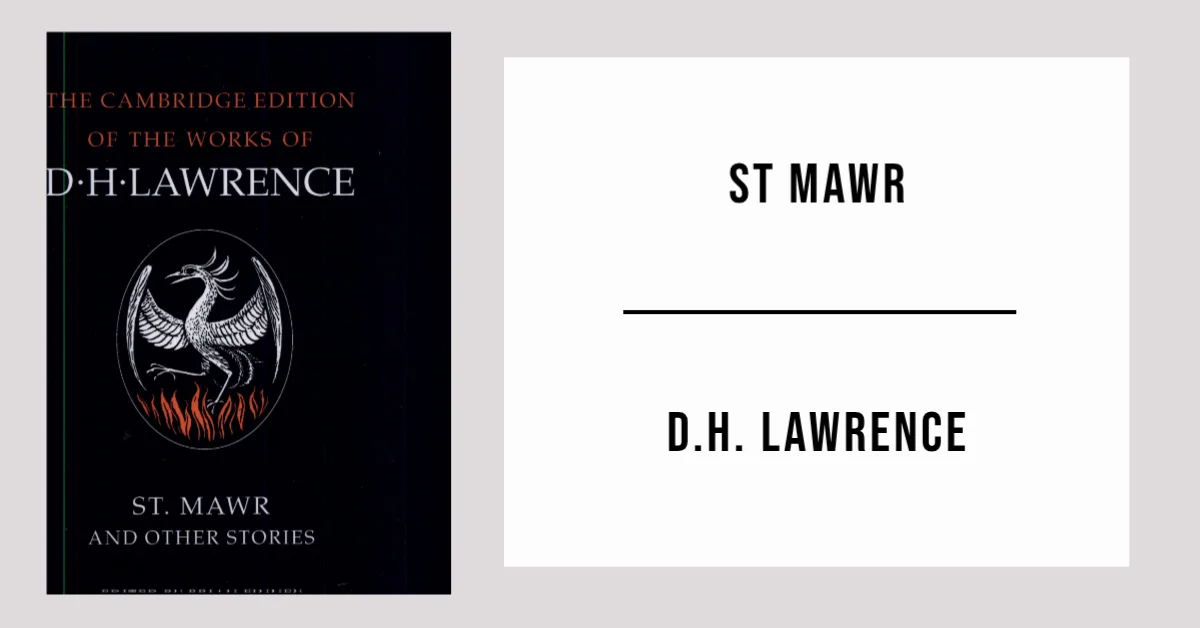
St Mawr by D.H. Lawrence
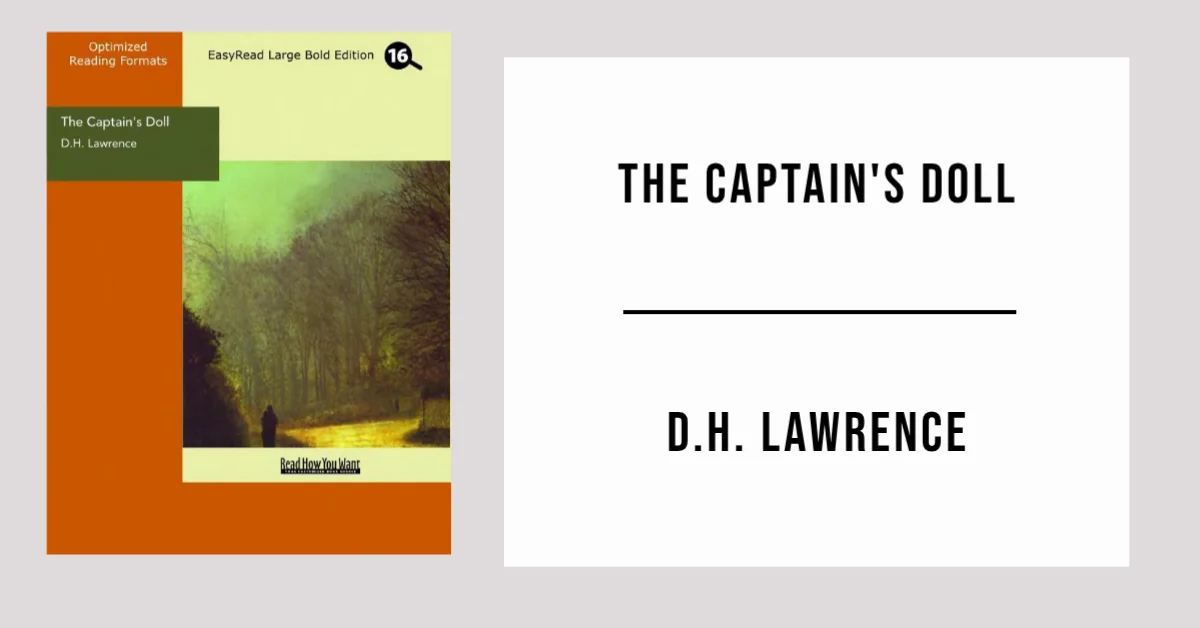
The Captain's Doll by D.H. Lawrence
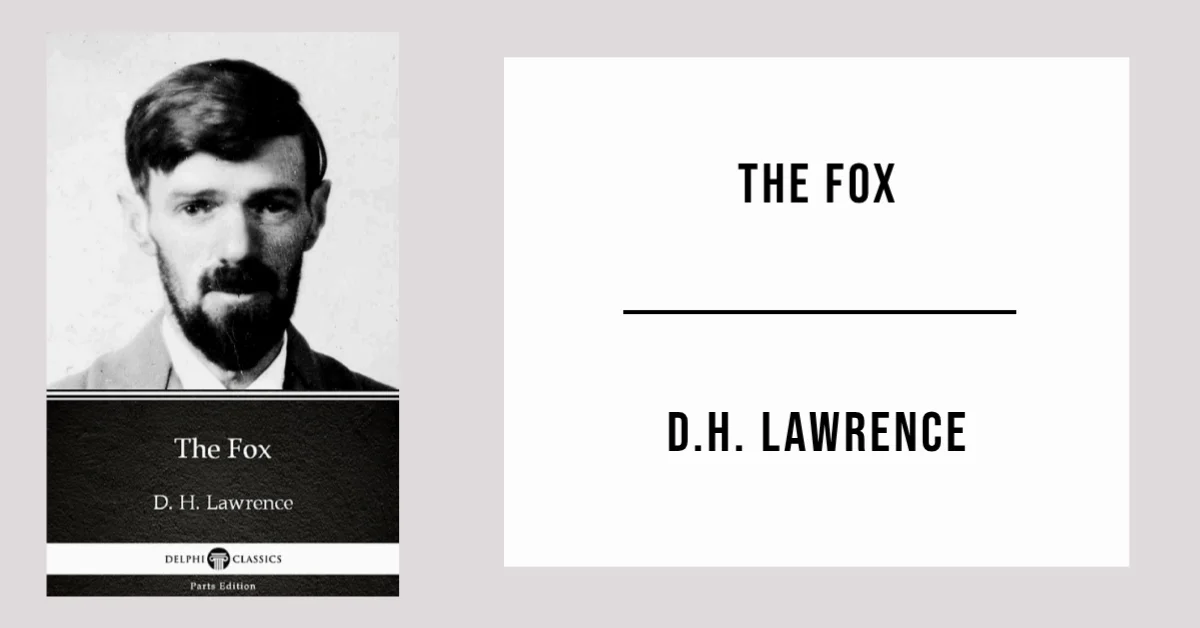
The Fox by D.H. Lawrence
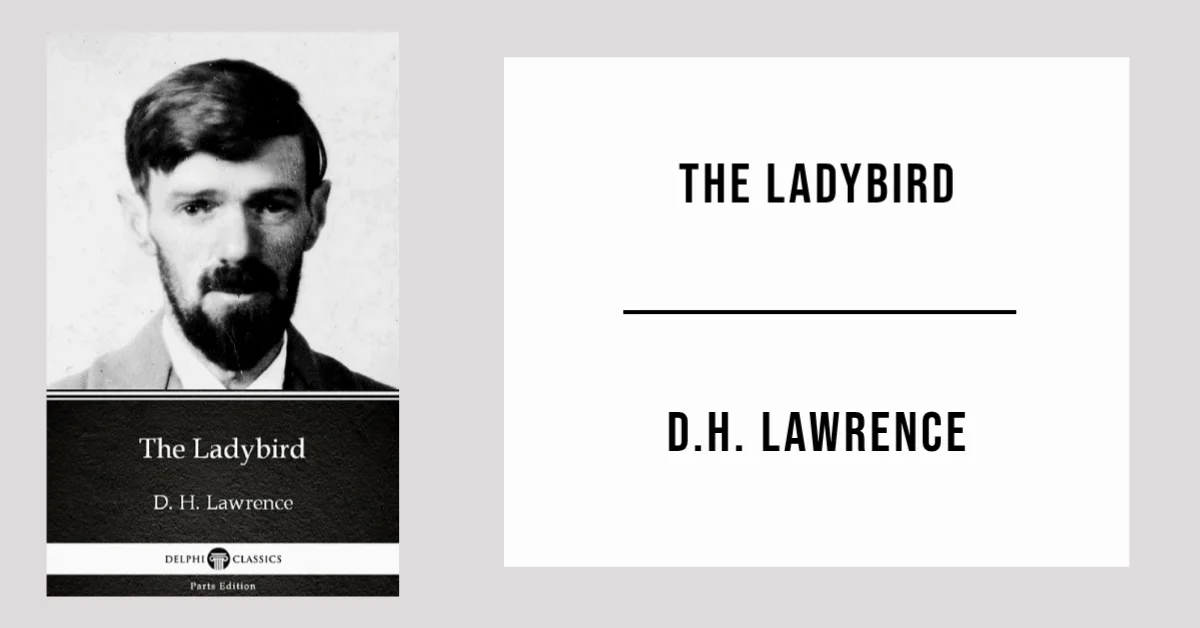
The Ladybird by D.H. Lawrence
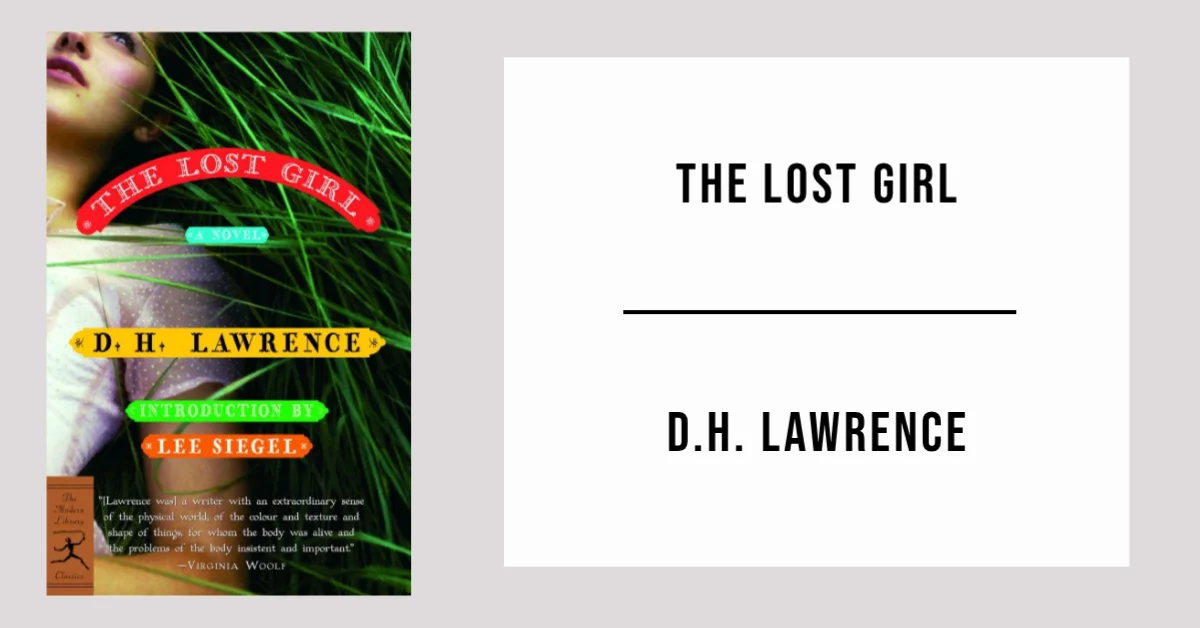
The Lost Girl by D.H. Lawrence
The White Peacock by D.H. Lawrence
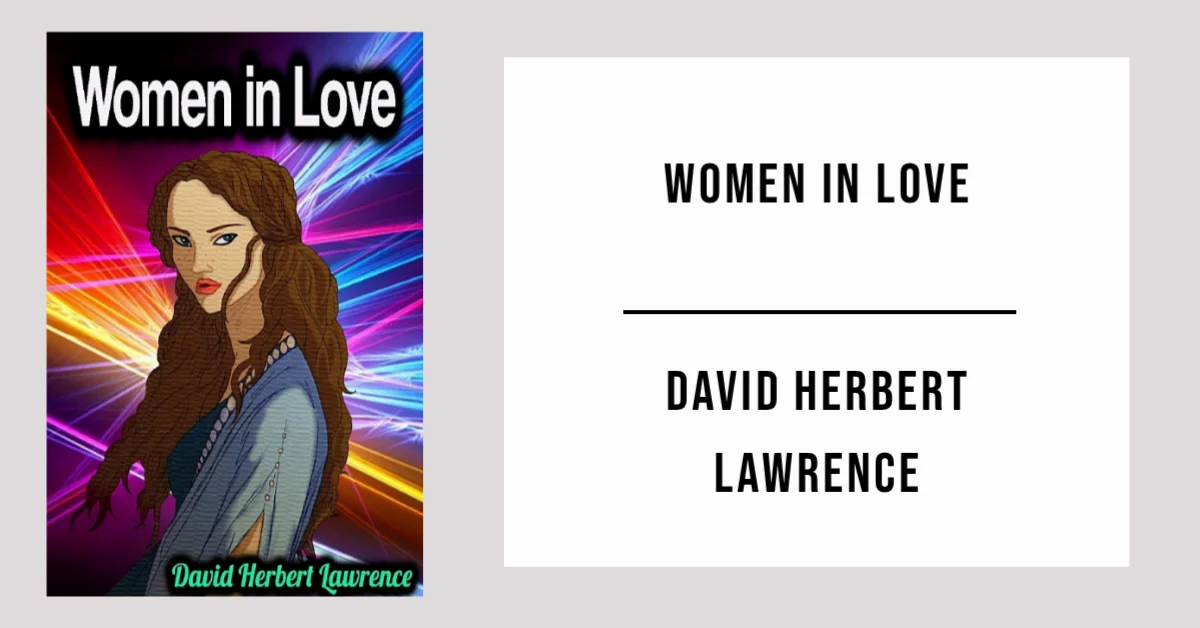
Women in Love by D.H. Lawrence