
The World as Will and Idea, Vol. 1 by Arthur Schopenhauer [PDF]
by InfoBooks
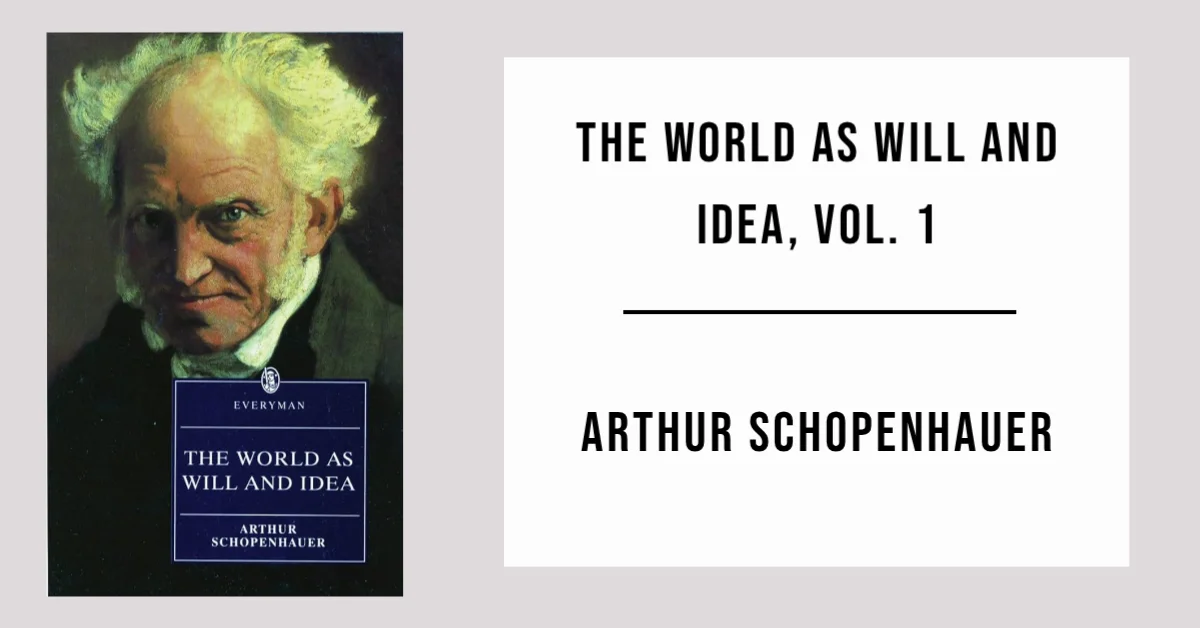
Arthur Schopenhauer's *The World as Will and Idea, Vol. 1* is the work that redefined how Western philosophy thinks about desire, suffering, and the limits of human perception. Published in 1818, it remains one of the most original and influential philosophical texts ever written.
You can now download this classic of philosophy as a free PDF and explore Schopenhauer's system at your own pace. Ideal for students, philosophy enthusiasts, or anyone curious about the thinker who inspired Nietzsche, Tolstoy, and Einstein.
Few people know how accessible Schopenhauer's prose actually is compared to other German philosophers of his time. Give yourself the chance to read a book that has changed the way millions of people understand the world.
The World as Will and Idea, Vol. 1 by Arthur Schopenhauer
*Please wait a few seconds for the document to load, the time may vary depending on your internet connection. If you prefer, you can download the file by clicking the link below.
Loading PDF...
Information: The World as Will and Idea, Vol. 1
- Author: Arthur Schopenhauer
- Publication Date: 1818
- Main Characters:
- The Will: The blind, irrational force that Schopenhauer identifies as the underlying essence of all reality, driving everything from natural phenomena to human desire.
- The Idea (Representation): The world as we perceive it, shaped and structured by the mind's categories of space, time, and causality.
- The Platonic Ideas: Eternal, universal forms that art reveals, allowing a momentary escape from the will's relentless demands.
- The Subject of Knowledge: The perceiving mind that constructs the world of representation, central to Schopenhauer's epistemological framework.
- The Ascetic or Saint: The figure who achieves denial of the will-to-live, representing Schopenhauer's ethical ideal of liberation from suffering.
- Brief Summary: In this first volume, Schopenhauer builds his philosophical system on two pillars: the world as "idea" (representation) and the world as "will." He begins by examining how all human knowledge is filtered through the mind's own structures, drawing on Kant's critical philosophy. He then reveals the "will" as the hidden essence behind all phenomena, a ceaseless, purposeless drive that manifests in everything from gravity to human longing. The book also offers a profound theory of aesthetics, arguing that art provides a temporary escape from the tyranny of the will. Schopenhauer concludes by exploring ethics and the possibility of transcending suffering through compassion and renunciation.
- Thematic Analysis: The central themes include the nature of perception and reality, the concept of will as a blind universal force, and the problem of human suffering. Schopenhauer also explores aesthetics as liberation, the ethics of compassion, and the tension between individual desire and resignation, weaving together Western rationalism with ideas echoing Buddhist and Hindu philosophy.
- Historical Context: Schopenhauer completed the work in 1818, during a period when German philosophy was dominated by Hegel's absolute idealism. The book was largely ignored at publication, selling so few copies that the publisher reportedly used unsold stock as waste paper. It was only decades later, after the revolutions of 1848 and a growing disillusionment with idealist optimism, that Schopenhauer's pessimistic philosophy found a receptive audience and secured his lasting reputation.
Books by Arthur Schopenhauer
Essays Of Schopenhauer by Arthur Schopenhauer

On Women by Arthur Schopenhauer
On the Fourfold Root of the Principle of Sufficient Reason by Arthur Schopenhauer

The Basis Of Morality by Arthur Schopenhauer
The Essays of Arthur Schopenhauer Counsels and Maxims by Arthur Schopenhauer
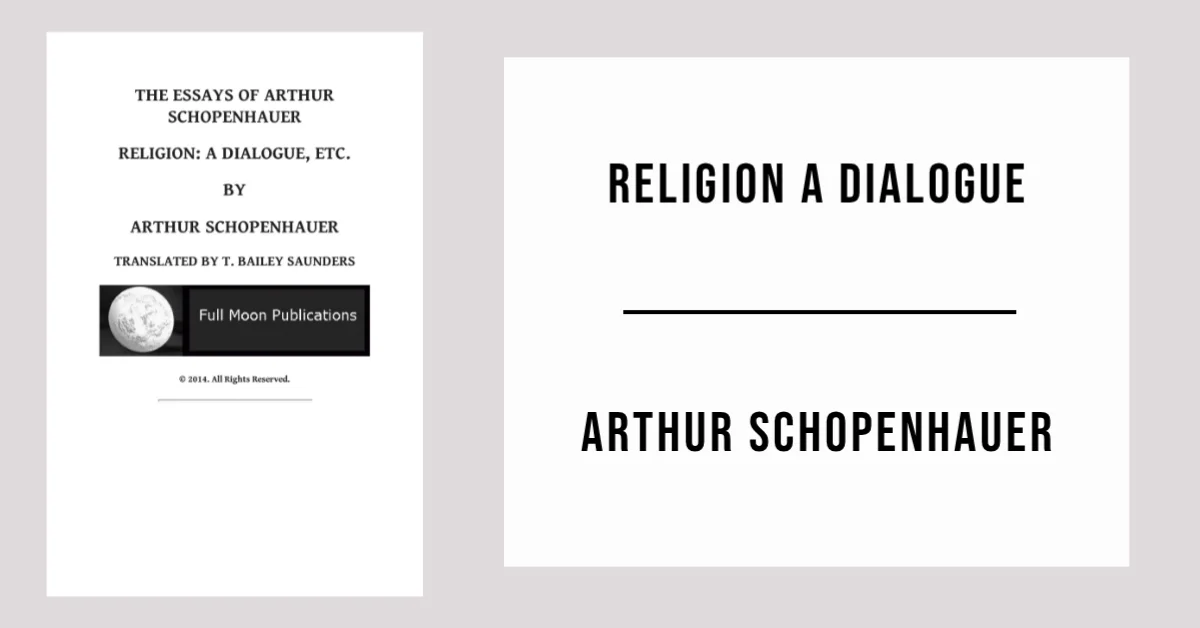
The Essays of Arthur Schopenhauer Religion a Dialogue Etc by Arthur Schopenhauer
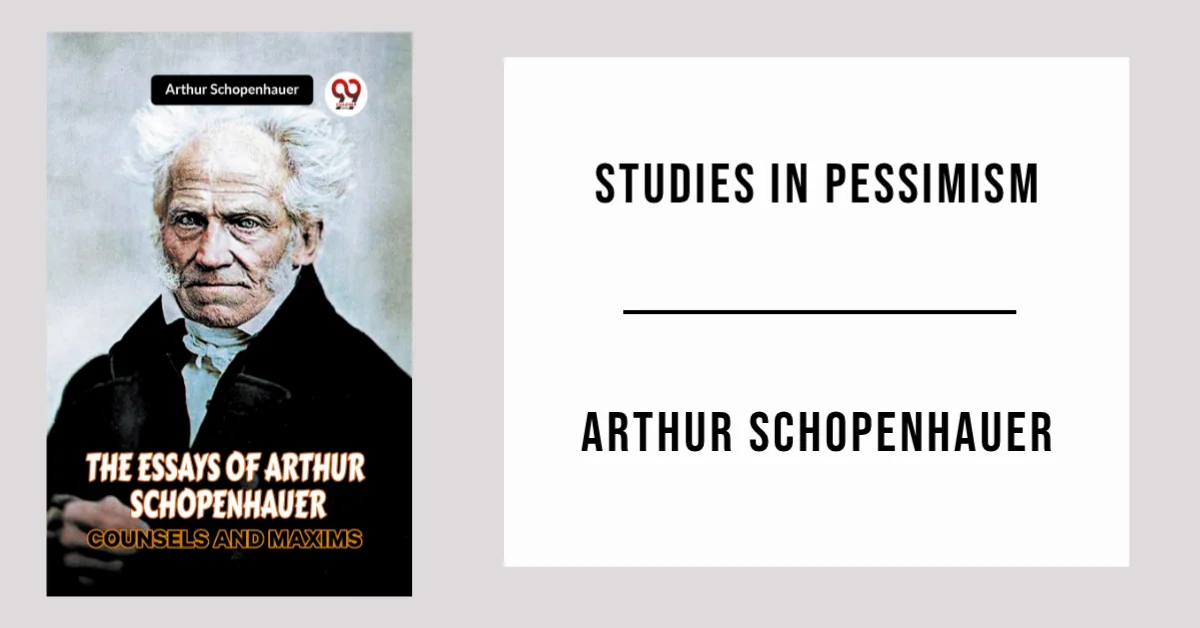
The Essays of Arthur Schopenhauer Studies in Pessimism by Arthur Schopenhauer
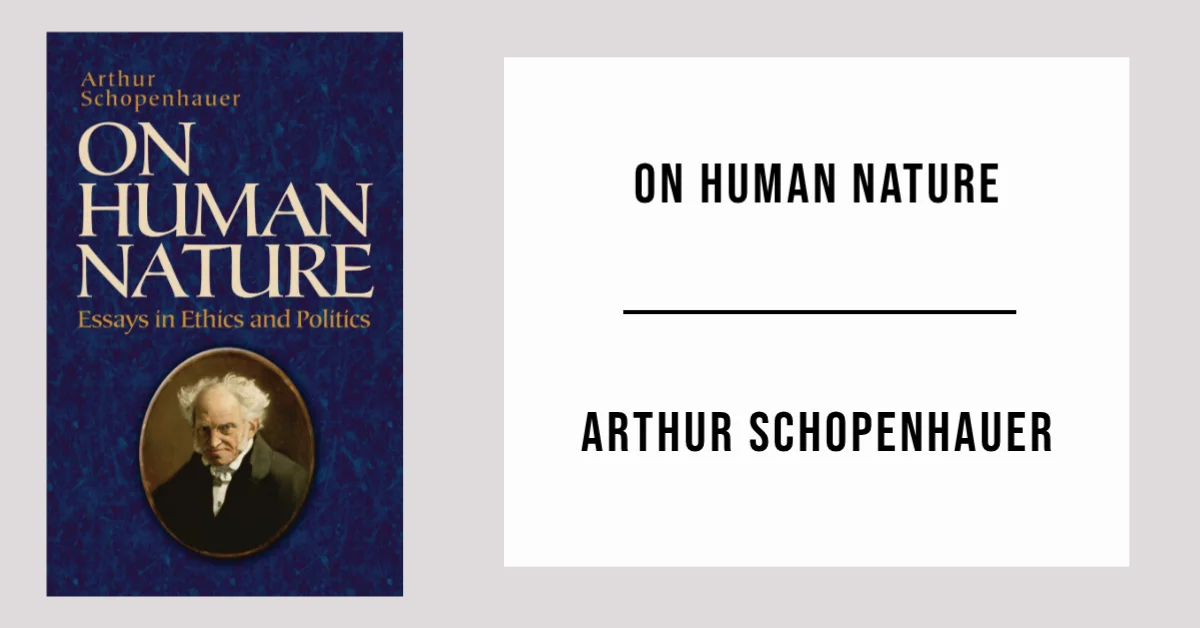
The Essays of Arthur Schopenhauer on Human Nature by Arthur Schopenhauer
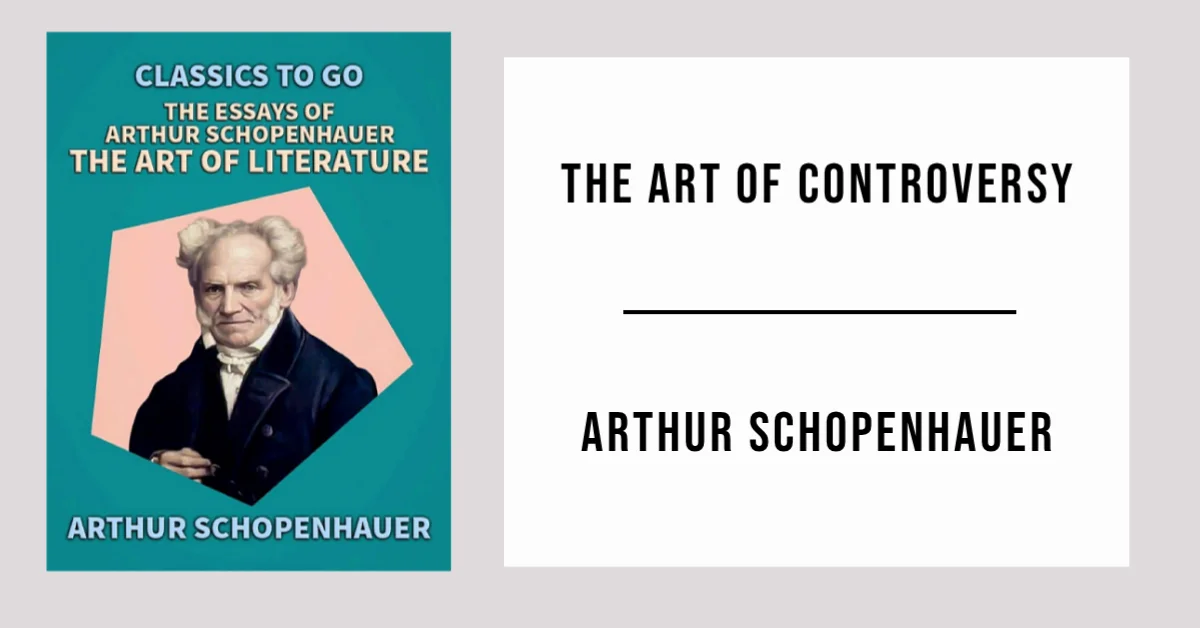
The Essays of Arthur Schopenhauer the Art of Controversy by Arthur Schopenhauer

The Essays of Arthur Schopenhauer the Art of Literature by Arthur Schopenhauer
The Essays of Arthur Schopenhauer the Wisdom of Life by Arthur Schopenhauer

The World as Will and Idea, Vol. 2 by Arthur Schopenhauer

The World as Will and Idea, Vol. 3 by Arthur Schopenhauer