
The World as Will and Idea, Vol. 2 by Arthur Schopenhauer [PDF]
by InfoBooks
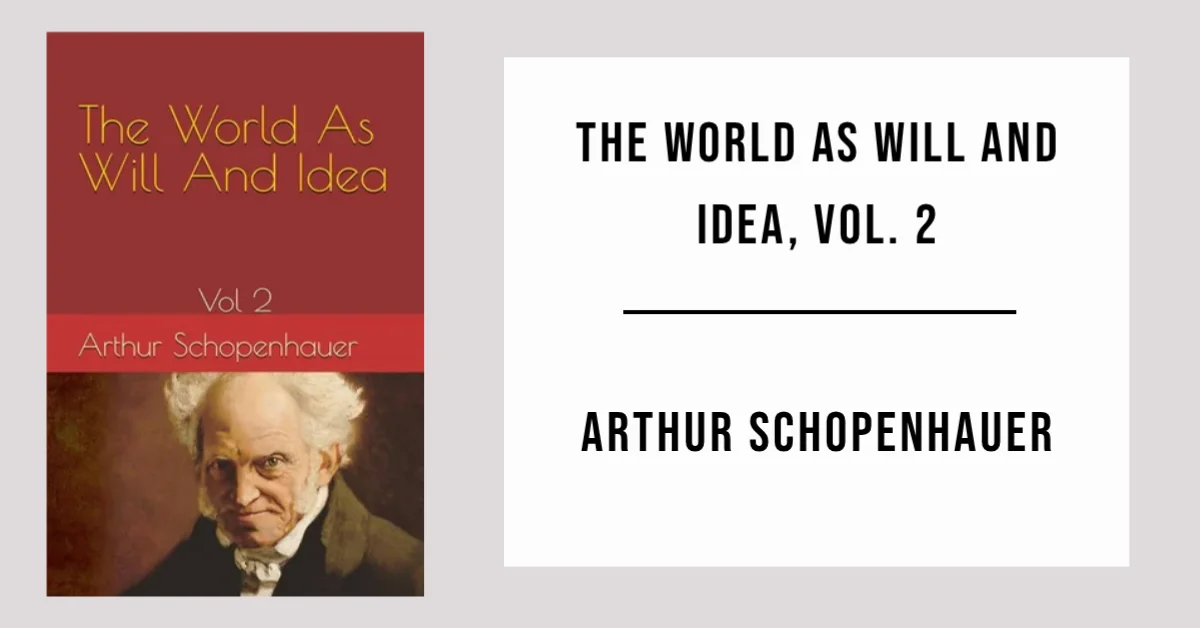
Arthur Schopenhauer spent over two decades refining the ideas in The World as Will and Idea, Vol. 2, and the result is a philosophical work that feels sharper and more personal than the original. Published in 1844, this second volume stands on its own as a profound exploration of human consciousness and desire.
You can now access the complete text of this classic in PDF format, completely free. Download it today and explore one of the most influential works in the history of philosophy.
Whether you are new to Schopenhauer or revisiting his thought, this volume will challenge the way you think about perception, suffering, and the nature of reality.
The World as Will and Idea, Vol. 2 by Arthur Schopenhauer
*Please wait a few seconds for the document to load, the time may vary depending on your internet connection. If you prefer, you can download the file by clicking the link below.
Loading PDF...
Information: The World as Will and Idea, Vol. 2
- Author: Arthur Schopenhauer
- Publication Date: 1844
- Main Characters:
- The Will: The blind, irrational force that Schopenhauer identifies as the fundamental reality underlying all phenomena and human desire
- Immanuel Kant: The philosopher whose distinction between phenomena and things-in-themselves Schopenhauer builds upon and critically reinterprets throughout the volume
- The Platonic Ideas: Eternal forms that Schopenhauer borrows from Plato to explain how art can offer temporary liberation from the tyranny of the will
- The Intellect: A secondary faculty that Schopenhauer argues is merely a tool of the will, not the autonomous rational agent that other philosophers claimed
- G.W.F. Hegel: The dominant German philosopher of the era, whose system Schopenhauer attacks as empty abstraction and intellectual dishonesty
- Brief Summary: The World as Will and Idea, Vol. 2 expands on Schopenhauer's central thesis that the world we experience is a representation shaped by our minds, while its underlying reality is a blind, purposeless will. The volume contains supplementary essays organized to correspond with the four books of Volume 1, covering epistemology, natural philosophy, aesthetics, and ethics. Schopenhauer draws on developments in science and philosophy that occurred in the decades after the first volume to strengthen his arguments. He also engages more directly with other philosophers, particularly Kant, offering detailed critiques and clarifications. The result is a richer, more nuanced articulation of his philosophical system.
- Thematic Analysis: The major themes include the primacy of will over intellect, the illusory nature of empirical knowledge, and the possibility of transcendence through art and ascetic renunciation. Schopenhauer also explores the philosophy of death, sexuality as an expression of the will, and the relationship between genius and madness. These themes connect to broader questions about suffering, meaning, and the human condition that remain relevant in contemporary philosophy.
- Historical Context: The first volume of The World as Will and Idea was published in 1818 to almost no attention, and Schopenhauer spent the following decades developing supplementary essays that became this second volume in 1844. By the time it appeared, German philosophy was dominated by Hegel, whose idealism Schopenhauer openly rejected. The second volume reflected both the maturation of Schopenhauer's own thinking and the advances in physiology and natural science of the early 19th century, which he incorporated into his arguments about perception and the will.
Books by Arthur Schopenhauer
Essays Of Schopenhauer by Arthur Schopenhauer

On Women by Arthur Schopenhauer
On the Fourfold Root of the Principle of Sufficient Reason by Arthur Schopenhauer
The Basis Of Morality by Arthur Schopenhauer
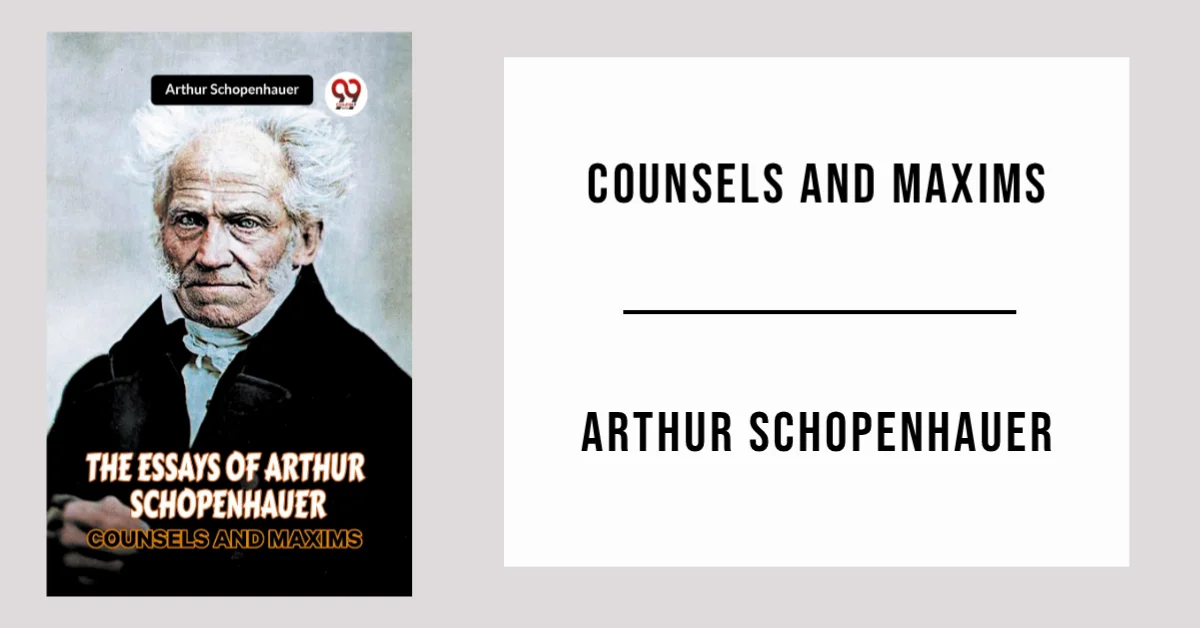
The Essays of Arthur Schopenhauer Counsels and Maxims by Arthur Schopenhauer
The Essays of Arthur Schopenhauer Religion a Dialogue Etc by Arthur Schopenhauer
The Essays of Arthur Schopenhauer Studies in Pessimism by Arthur Schopenhauer
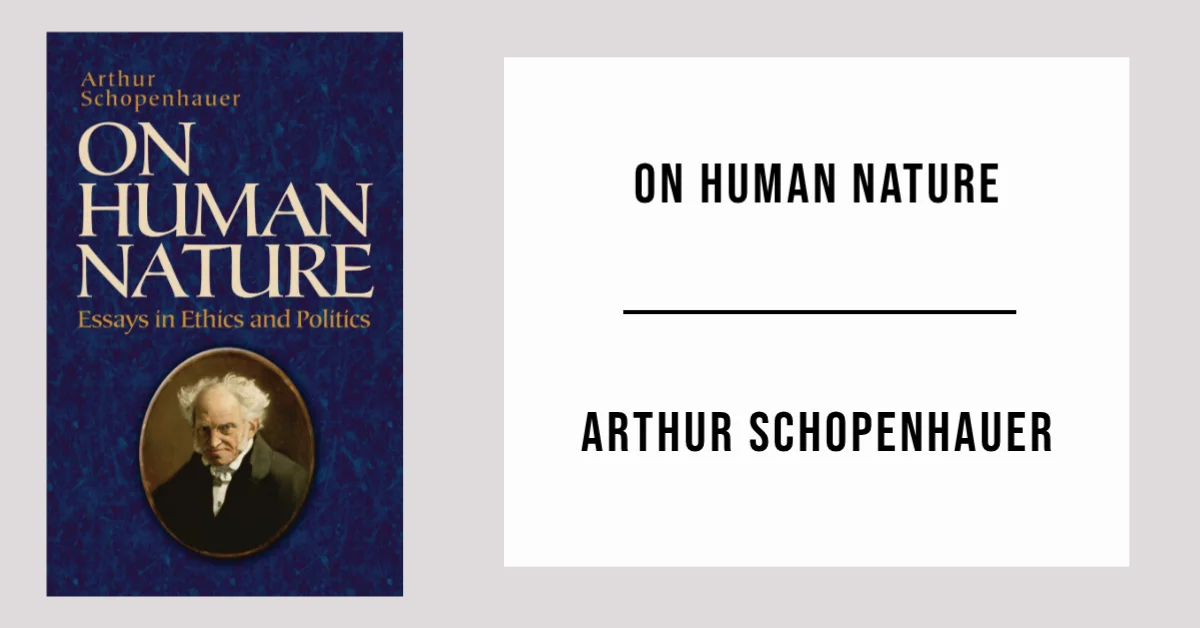
The Essays of Arthur Schopenhauer on Human Nature by Arthur Schopenhauer
The Essays of Arthur Schopenhauer the Art of Controversy by Arthur Schopenhauer

The Essays of Arthur Schopenhauer the Art of Literature by Arthur Schopenhauer
The Essays of Arthur Schopenhauer the Wisdom of Life by Arthur Schopenhauer
The World as Will and Idea, Vol. 1 by Arthur Schopenhauer
The World as Will and Idea, Vol. 3 by Arthur Schopenhauer