
The World as Will and Idea, Vol. 3 by Arthur Schopenhauer [PDF]
by InfoBooks
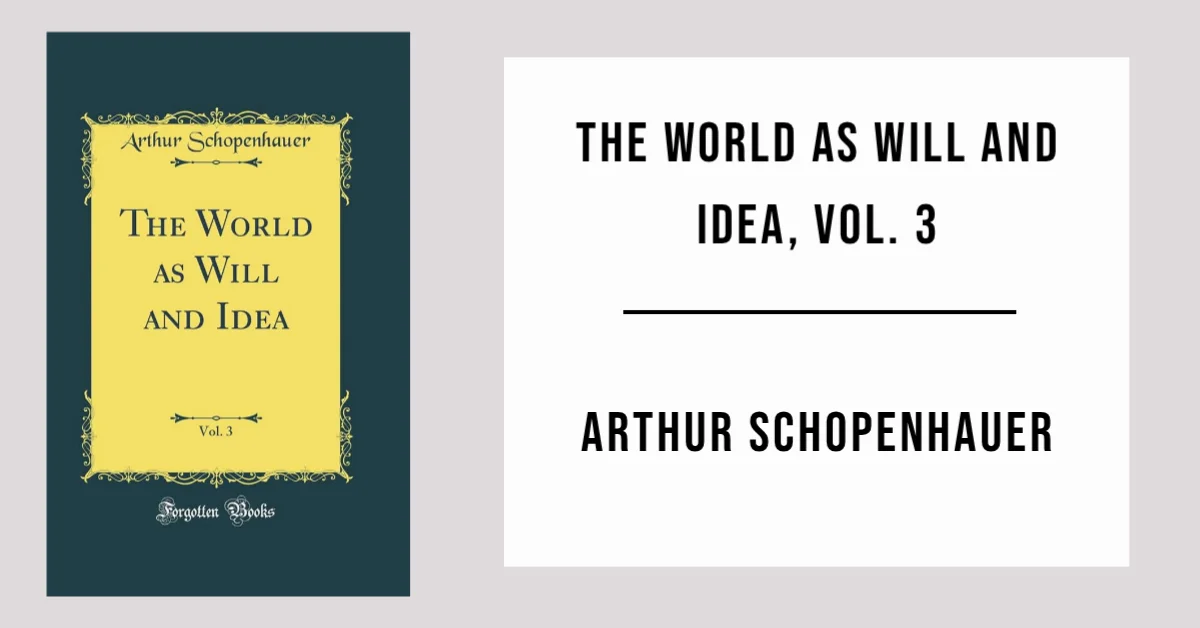
Arthur Schopenhauer's *The World as Will and Idea, Vol. 3* completes one of the most influential philosophical works of the nineteenth century, offering mature supplements on aesthetics, ethics, and the denial of the will that Schopenhauer refined over decades of thought.
You can download this free PDF and access Schopenhauer's profound reflections on art, compassion, and human suffering. His writing in this volume is surprisingly direct and personal, making complex philosophy feel like a genuine conversation.
Whether you're studying philosophy formally or simply searching for deeper answers, this final volume rewards careful reading with insights that feel strikingly modern.
The World as Will and Idea, Vol. 3 by Arthur Schopenhauer
*Please wait a few seconds for the document to load, the time may vary depending on your internet connection. If you prefer, you can download the file by clicking the link below.
Loading PDF...
Information: The World as Will and Idea, Vol. 3
- Author: Arthur Schopenhauer
- Publication Date: 1859
- Main Characters:
- The Will-to-Live: The blind, irrational force that Schopenhauer identifies as the fundamental reality behind all phenomena, driving all existence toward endless striving and suffering.
- Aesthetic Contemplation: The state in which a person becomes a pure subject of knowledge, temporarily freed from the demands of the will through engagement with art and beauty.
- Compassion (Mitleid): Schopenhauer's foundation of ethics, the direct experience of another's suffering as one's own, which he argues is the only genuine moral motivation.
- Denial of the Will: The voluntary renunciation of desire and self-assertion that Schopenhauer presents as the highest ethical achievement, drawing parallels with ascetic traditions in Christianity and Buddhism.
- The Sublime: An aesthetic experience where the observer contemplates objects that threaten the will, yet maintains a state of elevated, will-free perception.
- Brief Summary: This third volume of The World as Will and Idea contains Schopenhauer's supplementary essays to Books Three and Four of his philosophical system. Book Three's supplements explore the metaphysics of aesthetics, including the nature of beauty, the hierarchy of the arts, and the role of genius and contemplation. Book Four's supplements address the metaphysics of ethics, examining the will-to-live, the reality of suffering, the role of compassion, and the possibility of transcendence through ascetic denial. Schopenhauer also engages extensively with Eastern religious traditions, drawing parallels between his philosophy and Buddhist and Hindu thought. The volume represents the author's final and most refined articulation of his core ideas.
- Thematic Analysis: The central themes include the nature of aesthetic experience and how art temporarily liberates us from the tyranny of the will, with detailed discussions of music, poetry, and the visual arts. Schopenhauer also explores the ethical implications of his metaphysics, arguing that genuine compassion is the foundation of morality and that the denial of the will-to-live offers the only true path to inner peace. The tension between affirming and denying the will runs throughout, giving the volume a deeply existential character.
- Historical Context: The World as Will and Idea was first published in 1818, but Schopenhauer substantially expanded it for the second edition in 1844, adding this supplementary third volume. By 1859, when the third edition appeared, Schopenhauer had finally gained the recognition that eluded him for decades, partly due to the influence of his essay collection Parerga and Paralipomena (1851). This volume reflects a philosopher writing with the confidence of late-career clarity, during a period when European thought was shifting away from Hegelian idealism toward more pessimistic and empirically grounded philosophies.
Books by Arthur Schopenhauer
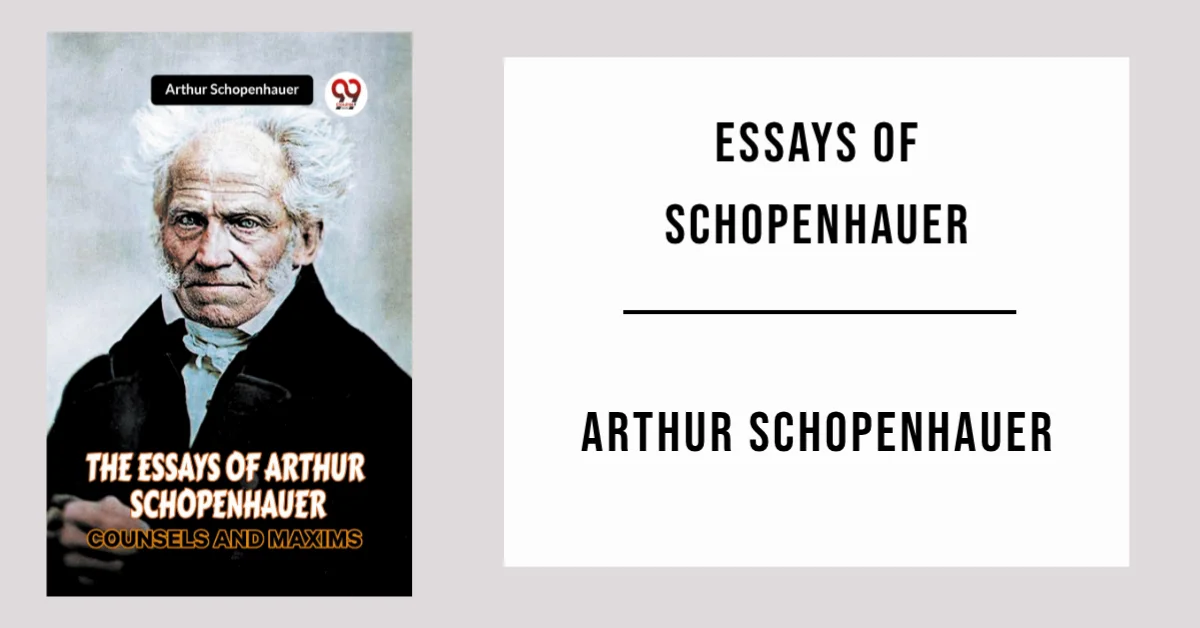
Essays Of Schopenhauer by Arthur Schopenhauer

On Women by Arthur Schopenhauer
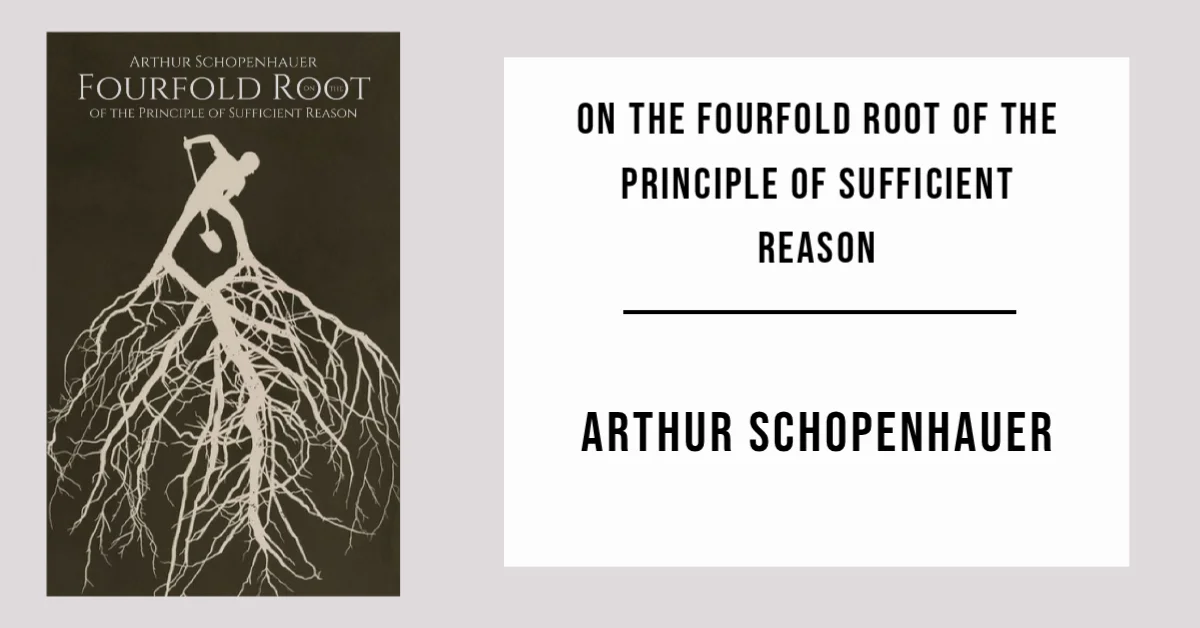
On the Fourfold Root of the Principle of Sufficient Reason by Arthur Schopenhauer
The Basis Of Morality by Arthur Schopenhauer
The Essays of Arthur Schopenhauer Counsels and Maxims by Arthur Schopenhauer
The Essays of Arthur Schopenhauer Religion a Dialogue Etc by Arthur Schopenhauer
The Essays of Arthur Schopenhauer Studies in Pessimism by Arthur Schopenhauer
The Essays of Arthur Schopenhauer on Human Nature by Arthur Schopenhauer
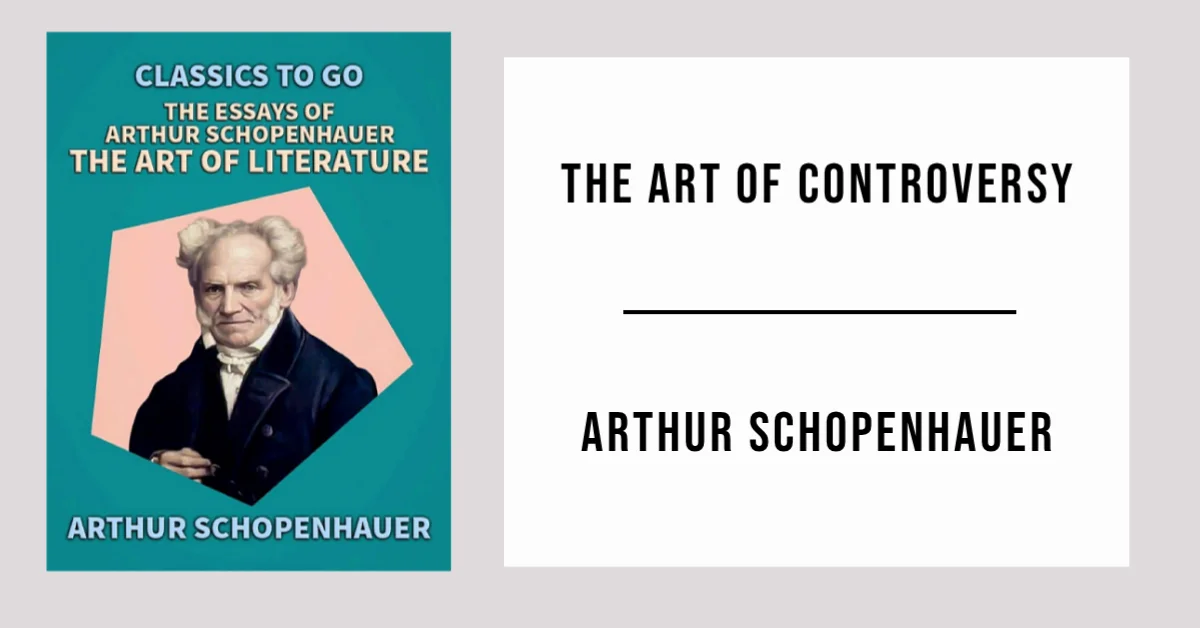
The Essays of Arthur Schopenhauer the Art of Controversy by Arthur Schopenhauer
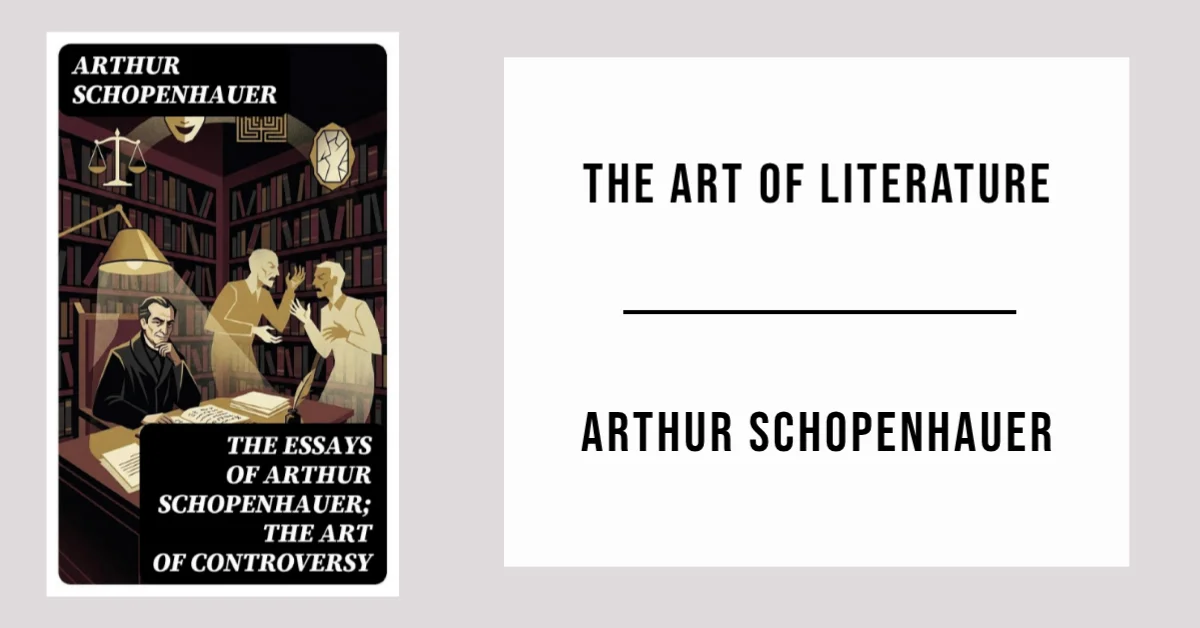
The Essays of Arthur Schopenhauer the Art of Literature by Arthur Schopenhauer
The Essays of Arthur Schopenhauer the Wisdom of Life by Arthur Schopenhauer
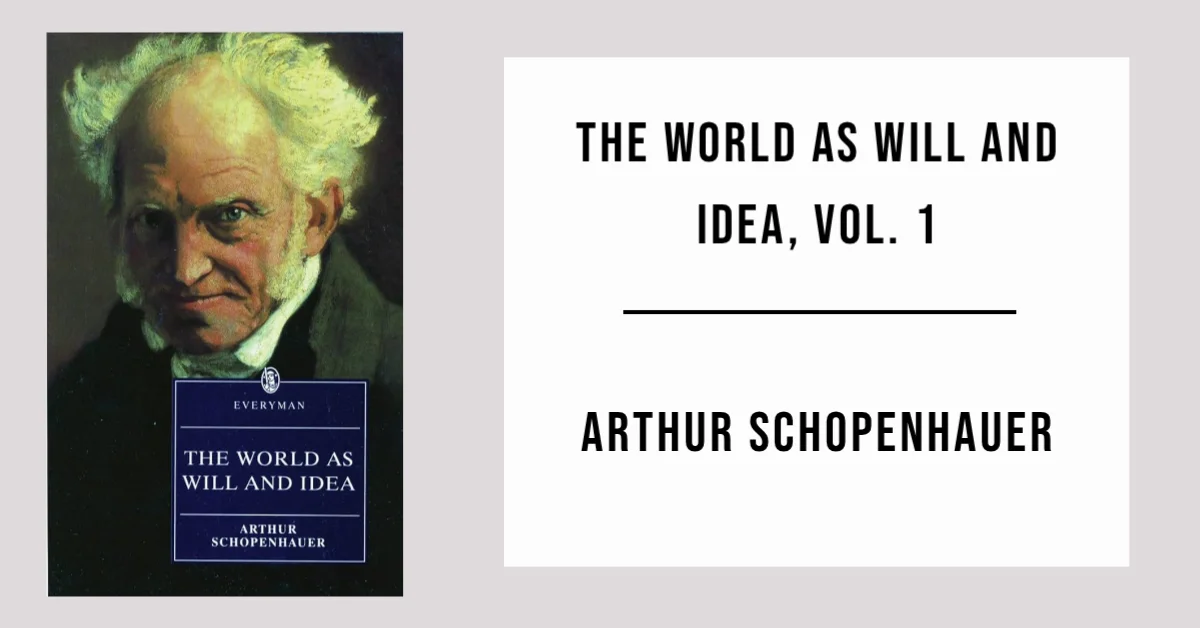
The World as Will and Idea, Vol. 1 by Arthur Schopenhauer
The World as Will and Idea, Vol. 2 by Arthur Schopenhauer