Zoology is the scientific study of animals, and these free zoology books in PDF cover it from sponges and insects to reptiles and mammals. They follow the same path as a university course.
Start with the textbooks to learn animal classification and taxonomy, then move to the group you need. Classic works by naturalists like David Starr Jordan sit next to modern open textbooks.
Lab manuals for dissection and specimen work close the collection. Every book opens in your browser and downloads in one click, with no sign-up.
📚
Download every Zoology book on this page
All the books on this page in one ZIP file, instead of downloading them one by one.
We will redirect you to accounts.google.com to complete sign-in.
Email and name only · We never send spam
Access unlocked
Download every Zoology book on this page
All the books on this page in one ZIP file, instead of downloading them one by one.
Direct download · One ZIP file
Download started. Check your downloads folder for the ZIP.
Textbooks
Zoology Textbooks
Start here for the full picture of the animal kingdom. These zoology textbooks cover cells, genetics, animal physiology and evolution, the same ground an intro course covers.
An open college textbook that takes you from cells, genetics and evolution to animal diversity, body systems and ecology, with review questions at the end of every chapter. Hawaii's endemic species are used as examples throughout.
A complete university zoology manual that goes phylum by phylum, from protozoa and sponges to birds and mammals, with 320 illustrations. Use it alongside lectures or lab work to see how each animal group is built and how it lives.
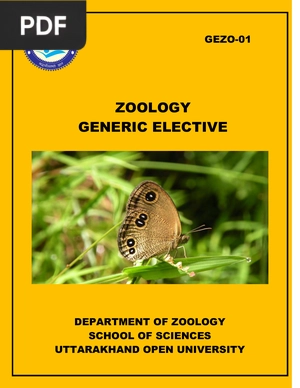
A university course in 12 units covering cell types, DNA, cell division, taxonomy and zoological nomenclature, the origin of life, ecology, biodiversity, immunity and lab instruments. Each unit ends with self-assessment questions.
A clear first book of zoology that explains how animals feed, grow, reproduce and adapt to their surroundings. A good starting point if you are new to the subject.
The classroom edition of a landmark zoology text, organized group by group with detailed anatomy and clear illustrations. Read it to understand how each major animal phylum is structured.
Follow an animal from gametes and fertilization through cleavage and gastrulation, then see how zoology is applied in aquaculture, sericulture, beekeeping, lac culture, poultry farming and pest management.
Most animal species on Earth have no backbone. These invertebrate zoology books cover sponges, worms, mollusks, arthropods and echinoderms, the core of every non-chordate course.
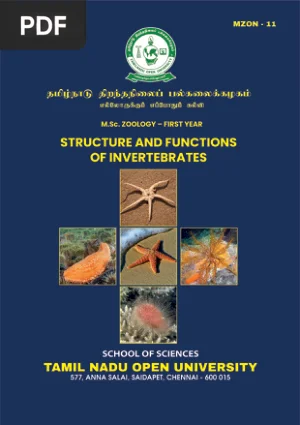
The full first-year non-chordate syllabus, from protozoa and sponges to cnidarians, worms, arthropods, mollusks and echinoderms, each phylum built around a type animal. A lab course at the end shows you how to prepare and study specimens.
Go beyond classification and see how invertebrates actually work: body plans, locomotion, feeding, respiration, excretion, nervous systems and larval forms across the phyla. A master's level text with progress checks in every unit.
A classic Cambridge textbook that takes you group by group through the invertebrates, describing one example of each major group and then the most interesting variations around it.
Meet crabs, lobsters, shrimps and their relatives through their habits and ways of life, from the seashore and the deep sea to fresh water and dry land. Includes 32 plates and 85 figures.
From lampreys and fishes to birds and mammals, vertebrates are the animals we know best. These zoology books cover chordate classification plus fishes, reptiles and mammals in depth.
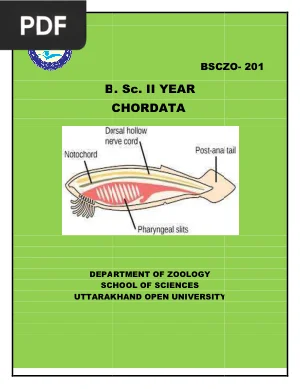
Work through every chordate group, from Balanoglossus and Amphioxus to fishes, amphibians, reptiles, birds and mammals, with classification down to order and one type study per class. Each unit closes with self-check questions.
A classic college text that explains how vertebrates are built through their embryology, then walks you through their classification, living and fossil groups alike, from lampreys and fishes to birds and mammals.
Written by one of the founders of ichthyology, this volume covers how fishes are built, how they live and spread across the world's waters, and how lancelets, lampreys and sharks are classified.
Meet the turtles, crocodilians, lizards and snakes of both hemispheres, order by order, with nearly 200 photographs taken by the curator of reptiles at the Bronx Zoo.
Tour the mammal world order by order, from bats, shrews and carnivores to hoofed animals, whales, elephants and sloths, in a natural history reviewed by museum curators. Includes 15 color plates.
Insects are the largest group of animals on Earth, and entomology is the science that studies them. These books explain how insects are built, how to identify them and how to collect them.
Learn how insects are built and how they live, from the cuticle, moulting and senses to a full tour of every insect order. A modern university course with color photos and review questions for each topic.
Identify insects down to order and family with the analytical keys that made this Cornell manual a classic for generations of students. It also covers insect anatomy, classification and the habits of each group.
John Henry Comstock, Anna Botsford Comstock and Glenn W. Herrick
Nine weeks of hands-on entomology labs, from collecting and pinning specimens to external anatomy, the major insect orders, pests, predators and soil insects. Each week pairs a short reading with a practical assignment.
Put a name to the butterflies of North America with this classic guide and its 48 color plates of real specimens. It also explains butterfly anatomy, life cycles and how to collect and preserve them.
Zoology is also learned at the lab bench. These practical zoology manuals guide you through dissection, slide work and specimen identification, step by step.
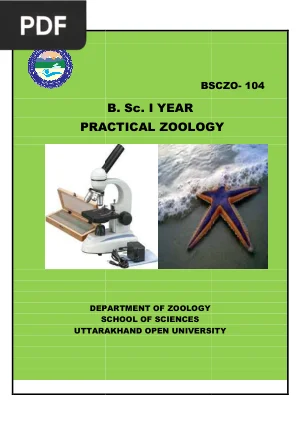
Work through slides and museum specimens one phylum at a time, from Amoeba and sponges to starfish. It also covers live protozoa, minor dissections, permanent slide preparation, mitosis and meiosis, and Drosophila genetics.
A classic dissection guide that walks you, animal by animal, from Amoeba to the frog and the rabbit. Each chapter has step-by-step instructions and detailed drawings.
The lab manual Libbie Hyman wrote for her University of Chicago course. It guides you through frog anatomy, protozoa, embryology and invertebrate dissections, with clear instructions for your drawings.
A modern lab manual with six exercises: classification with Caminalcules, planarian regeneration, invertebrates, chordates, fetal pig and pigeon dissection, and mammal skulls and tracks. It ends with a guide to building your own animal collection.
Send this page to someone who’d love to read it. Everything is free, no sign-up needed.
Esc
Start typing to search...
Searching...
No results found
Try different search terms
Your book is downloading!
If InfoBooks helped you, you can support us in one click: add us as a preferred source on Google. You'll see more of our books when you search, and you'll help us keep sharing free reading with everyone.
Done! Your book is downloading
Know someone who’d enjoy reading it? Send them this page. It’s free, no sign-up needed, and you help us spread the love of reading.