These free books on shamanism follow the practice from Siberia to the Upper Amazon. The word "shaman" comes from the Tungus peoples of Siberia, and similar traditions grew up almost everywhere.
Here you will find nineteenth century ethnography that recorded these traditions first hand. The books cover Apache medicine men, Mongolian ritual, Maya practice today, and mestizo healing in the Peruvian jungle.
Modern anthropology runs alongside them, from ayahuasca and plant medicine in the Amazon to shamanic revival in China. Every book here is a free PDF, ready to download.
📚
Download every Shamanism book on this page
All the books on this page in one ZIP file, instead of downloading them one by one.
We will redirect you to accounts.google.com to complete sign-in.
Email and name only · We never send spam
Access unlocked
Download every Shamanism book on this page
All the books on this page in one ZIP file, instead of downloading them one by one.
Direct download · One ZIP file
Download started. Check your downloads folder for the ZIP.
Overview
Books on Shamanism
These general studies treat shamanism as one global phenomenon rather than a local custom. Mircea Eliade set that frame in 1951, and later anthropologists kept asking what the practitioner actually does.
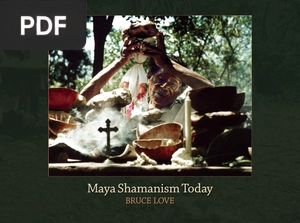
Fieldwork among the h-men of rural Yucatan, following the prayers, offerings and rain ceremonies that still shape village life. Photographs and transcribed rituals show Maya practice as it happens.
Three essays by leading historians of religion on how the idea of shamanism was built, borrowed and argued over. Balzer writes on Siberia, Bremmer on Greek ecstatic techniques, Ginzburg on the long trail of the witches sabbath.
Marjorie Mandelstam Balzer, Jan N. Bremmer and Carlo Ginzburg
A doctoral study built on fieldwork with Mentawai shamans and a cross-cultural survey of beliefs in mystical harm. It asks why the same religious specialists keep appearing in societies that never met.
Why shamans turn up in nearly every documented society, and why the role comes with the same costly requirements everywhere. Published with peer commentary from more than thirty researchers and the author reply.
Ten studies on shamanic practice among the Manchu, Daur, Yi and other peoples, from archaeology to living ritual. A rare look at how these traditions are being rebuilt after decades of suppression.
This is where the word shaman was born. Russian and Smithsonian ethnographers documented Tungus, Ob-Ugrian and Mongolian practice before most of it changed forever.
The 1914 survey that pulled scattered Russian ethnography into one book, with long chapters on shamans, spirits and the ceremonies of the northern tribes. Still the standard entry point to Siberian material.
The 1895 translation that first brought Siberian shamanism to English readers. Covers the making of a shaman, the drum, the costume and the seance across Tungus, Yakut and Finnic peoples.
A handbook of the tribes from the Urals to Kamchatka by an ethnographer who spent years living among them. The chapters on religion follow shamanic ritual, dress and cosmology group by group.
Curtin travelled among the Buryat Mongols in 1900 and came back with their creation myths, hero tales and an account of their religion before Buddhism reshaped it. Part travel narrative, part collection of oral tradition.
Bureau of American Ethnology researchers spent decades recording ceremonial life across North America. Their reports are dense, sometimes biased, and still the most detailed record we have of the medicine men and their work.
A detailed record of Apache medicine men, their treatments, sacred pollen, medicine cords and amulets, with comparisons drawn from dozens of other peoples. One of the most thorough nineteenth century accounts of its kind.
The Grand Medicine Society described from the inside: initiation degrees, birch bark song scrolls, herbal knowledge and the pictographs used to record it all. Illustrated with colour plates of the original charts.
Dorsey collected beliefs and ceremonies from the Omaha, Ponca, Osage, Dakota and their neighbours, recording sacred objects, vision quests and the work of the medicine man in each group.
A full record of the nine night healing ceremony, with the myths behind it, the songs in Navajo and English, the sandpaintings and the role of the chanter. Matthews watched it performed many times before writing this.
The origin myth, initiation and memorial rites of the Mitawin lodge, recorded in the early twentieth century with notes on how neighbouring peoples ran the same ceremony.
In the Upper Amazon, mestizo healers blend indigenous knowledge with Hispanic folk medicine and centuries of plant expertise. These books look at how that mix works, and one of them traces Nagualism through Mesoamerica.
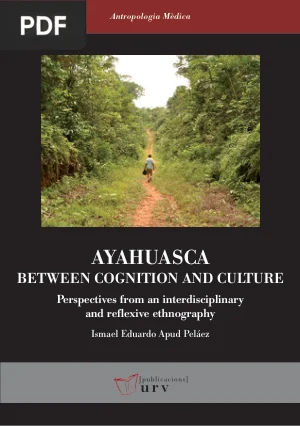
Ten years of fieldwork on ayahuasca use, from Amazonian curanderos to urban churches and addiction treatment centres. Combines medical anthropology with cognitive science and is honest about the tensions between them.
A wide survey of South American peoples organised around magic and religion: taboos, initiation, the medicine man, hunting ritual and the treatment of the dead. Built on the author own years in the Amazon and the Andes.
Notes from months spent among the peoples of the Putumayo region, covering the medicine man, dance ceremonies, plant knowledge and daily life. Illustrated with early photographs of the communities described.
A naturalist account of the peoples of the Guiana interior, with a long section on the peaiman, the spirit world and the practice of healing. Careful observation of plants, tools and belief side by side.
A study of the nagual, the guardian spirit and animal double of Mesoamerican belief, tracing the master magicians of the Aztec, Mixtec and Maya worlds and the sacred plants they used.
These books on shamanism come from many traditions, recorded by observers who often misunderstood what they saw. Reading several together is the best way to see past that.
If InfoBooks helped you, you can support us in one click: add us as a preferred source on Google. You'll see more of our books when you search, and you'll help us keep sharing free reading with everyone.