Looking for Wiccan books that explain the religion from the ground up? Here you'll find guides for beginners, pagan classics, Book of Shadows rituals, the history of Wicca, and the herbal lore witches still use.
This collection starts where modern Wicca started, with the texts Gerald Gardner and his circle actually read. You'll find Charles Leland's Aradia, Margaret Murray's study of the witch cult, and Gardner's own Book of Shadows next to friendly guides for your first ritual.
Every book is free to read online or download as PDF. Pick a section, open a book, and set up your first altar tonight.
📚
Download every book on this page in one click
Sign in with Google and grab them all without going one by one.
We will redirect you to accounts.google.com to complete sign-in.
Email and name only · We never send spam
Access unlocked
Download every book on this page in one click
Get them all together, without going one by one.
Direct download · One ZIP file
Download started. Check your downloads folder for the ZIP.
Beginners
Wicca Books for Beginners
If you're new to Wicca, start here. These guides explain the Goddess and the God, the Wiccan Rede, and how a solitary practitioner builds a daily practice.
A friendly first guide to Wicca that walks you through basic symbols, herbs, crystals, chakras and the four elements, then closes with simple spells and rituals for your first steps on the path.
A short course in lessons that explains the Goddess and the God, the Wiccan Rede, the elements and the sabbats, written for anyone taking their first steps in the Wiccan tradition.
A clear overview of Wiccan beliefs, ethics, holidays and ritual tools, written to explain the religion to practitioners, families and chaplains in plain, practical language.
Wicca is one branch of a wider family of modern paganism. These pagan books cover druid ritual, Norse traditions, Celtic fairy lore, and the old seasonal myths that shaped neopagan belief.
The complete third edition of Frazer's landmark study of magic and religion, following the dying and reviving god, sacred kingship and seasonal fire festivals that shaped how modern pagans read the old myths.
An academic study of modern Germanic neopaganism that traces Asatru and other heathen groups from their roots to the present, covering their gods, rituals and debates over identity.
A practitioner's guide to modern Norse heathenry, covering the gods and goddesses, ancestor veneration, blots and sumbles, daily devotions and sample seasonal rituals.
Evans-Wentz gathered firsthand accounts of fairy belief across the Celtic lands, a classic of folklore that many pagans still read for its living traditions of spirits, sacred places and seasonal rites.
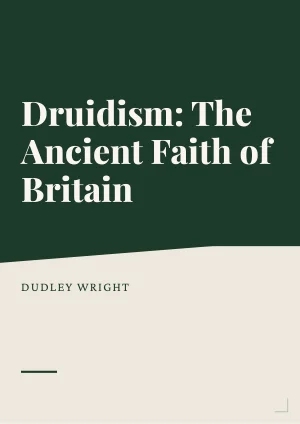
A history of the druids, their priesthood, beliefs, sacred groves and rites, with a look at how the old faith survived in folklore and seasonal festivals.
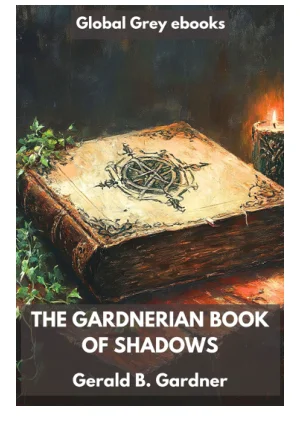
The ritual book of Gardnerian Wicca, with the rites for casting the circle, initiation into the three degrees, the sabbats and the Charge of the Goddess, as recorded by the founder of modern Wicca.
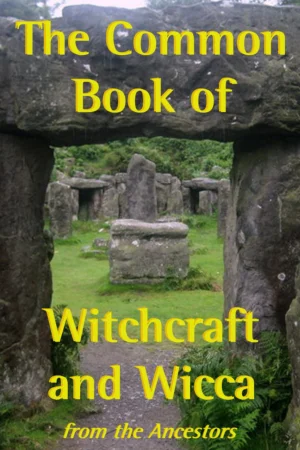
A community Book of Shadows released under an open license, gathering rituals, chants, essays and art from dozens of Wiccan and pagan authors, from creation myths to sabbat celebrations.
Few people know that Wicca grew out of a handful of Victorian and early twentieth century books. Here are the sources behind Gardnerian Wicca and Italian witch traditions, plus a modern study of Wiccan altar tools.
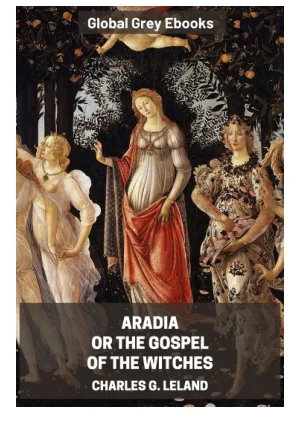
Leland's 1899 record of the lore of Italian witches, with the myth of Diana and her daughter Aradia, a source behind the Charge of the Goddess in modern Wicca.
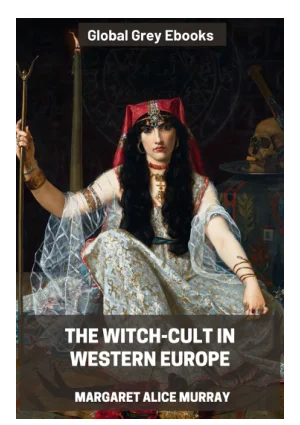
Margaret Murray's influential study arguing that the accused witches kept an ancient fertility religion with covens and sabbats, the theory that inspired Gerald Gardner and early Wicca.
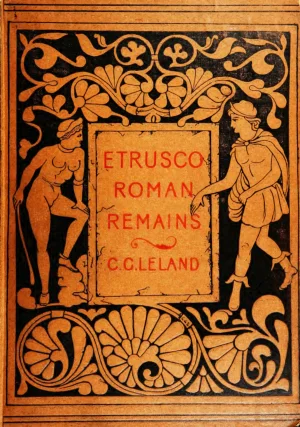
Leland recorded the spirits, charms, spells and old gods remembered by the peasant witches of Tuscany and Romagna, a key source on Italian folk witchcraft and stregheria.
An anthropology thesis by a practicing Wiccan that examines altar tools, the Goddess and the God and the Great Rite, showing how ritual objects express the balance at the heart of Wiccan belief.
Herbs sit at the heart of Wiccan ritual, from incense to sabbat wreaths. These herbals and plant lore classics pair old remedies with the magical correspondences witches still use.
The classic 17th century herbal that pairs hundreds of plants with their planetary rulers and remedies, still a favorite reference for witches working with herbal correspondences.
A survey of the beliefs and superstitions attached to plants, with chapters on plants in witchcraft, love charms, sacred plants and the old rites of plant worship.
A history of the old herbals, from the earliest leechbooks to the great printed works, full of the plant lore, charms and superstitions of early herbalists.
A study of druid home gardens that explores the sacred plants, tree lore and spiritual bond with nature that guide modern pagans as they plant and tend their gardens.
Wiccan candle ritual book with simple step-by-step spells for procrastination, protection, healing, attracting a lover, drawing money, breaking curses, and new home blessings, each tied to a specific candle color.
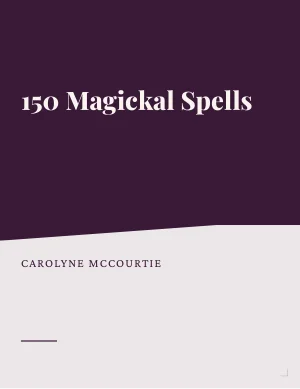
Practical compendium of more than 150 spells organized by intention, including love, money, protection, healing, fertility, banishing, and reversal recipes with the candles, herbs, and chants each one needs.
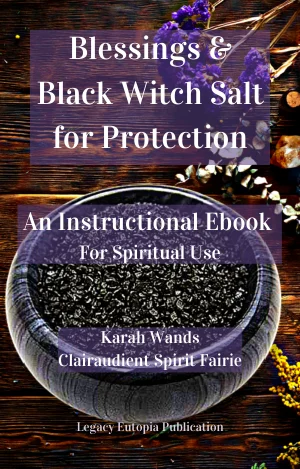
Illustrated guide to creating and using black witch salt for spiritual protection, with recipes for blessings, banishing, and consecrating sacred spaces against negative energies.
Every Wiccan practices witchcraft, but not every witch is Wiccan. These books explore the history of the wider craft, from the witch trials to the cunning folk.
A detailed history of the witch trials in England across two turbulent centuries. It traces the laws, beliefs, and famous cases that defined the persecution.
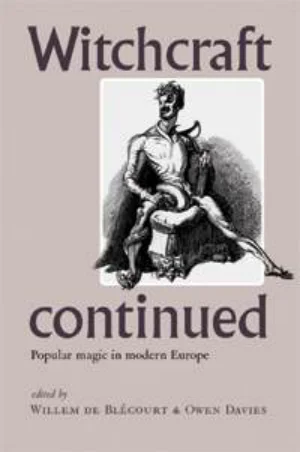
A study of how witchcraft and popular magic survived well past the era of the trials. It follows cunning folk, healers, and magical practices into the modern age.
The notorious 15th century treatise used to justify the witch hunts. This primary source reveals how accusers defined, detected, and prosecuted witchcraft.
Wicca rewards curiosity, and each book here opens another door into its rituals and traditions. Start with one, then follow the thread wherever it leads.
Want to keep exploring? Browse our full collection of esoteric books for tarot, astrology, alchemy, and more.
Send this page to someone who’d love to read it. Everything is free, no sign-up needed.
Esc
Start typing to search...
Searching...
We couldn't find anything
Your book is downloading!
If InfoBooks helped you, you can support us in one click: add us as a preferred source on Google. You'll see more of our books when you search, and you'll help us keep sharing free reading with everyone.
Done! Your book is downloading
Know someone who’d enjoy reading it? Send them this page. It’s free, no sign-up needed, and you help us spread the love of reading.