Looking for food safety books that actually help in the kitchen? This collection covers food hygiene, safe cooking temperatures, food handler training, HACCP plans, home canning and the bacteria behind foodborne illness.
Every guide here comes from the people who write the rules: the USDA, the FDA, the WHO and the FAO. You'll find the Codex Alimentarius basics on food hygiene, the USDA's own kitchen handbook and open textbooks used to train restaurant staff.
Whether you cook for your family or run a commercial kitchen, these books show you how to keep food safe from farm to plate. Every book is free to read online or download as PDF.
📚
Download every book on this page in one click
Sign in with Google and grab them all without going one by one.
We will redirect you to accounts.google.com to complete sign-in.
Email and name only · We never send spam
Access unlocked
Download every book on this page in one click
Get them all together, without going one by one.
Direct download · One ZIP file
Download started. Check your downloads folder for the ZIP.
Essentials
Food Safety Guides
Most cases of food poisoning start with four simple mistakes: dirty hands, raw meat touching ready food, undercooking and warm leftovers. These food safety guides teach you the clean, separate, cook and chill routine that prevents them.
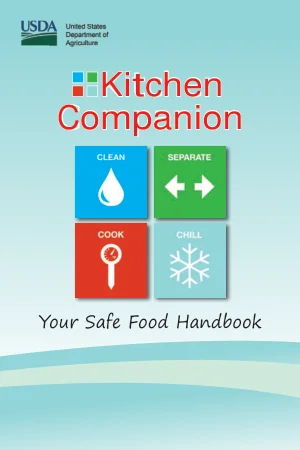
The USDA's own kitchen handbook, built around the clean, separate, cook and chill routine. Covers safe shopping, storage times, cooking temperatures, leftovers and what to do when the power goes out.
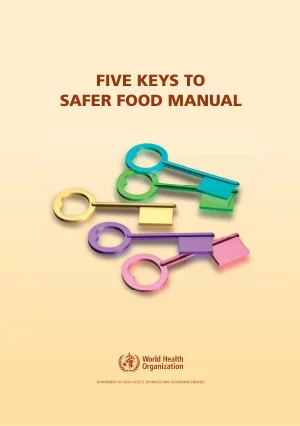
The WHO manual behind the five keys to safer food: keep clean, separate raw and cooked, cook thoroughly, keep food at safe temperatures and use safe water and raw materials. Clear, illustrated and easy to teach from.
The international reference on food hygiene from the Codex Alimentarius Commission. Includes the General Principles of Food Hygiene, the HACCP guidelines and the rules for setting microbiological criteria for foods.
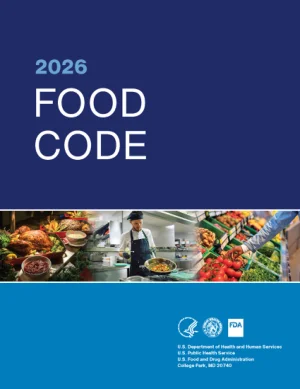
The FDA Food Code 2026, the model rules most health departments use to inspect restaurants and food stores. Covers employee health, cooking and holding temperatures, cleaning, equipment and plan review.
If you work in a restaurant, a school cafeteria or a food truck, this is your starting point. These food handler books cover personal hygiene, handwashing, cleaning schedules and what an inspector checks first.
An open textbook used to train cooks and kitchen staff. Covers foodborne illness, personal hygiene, cleaning and sanitizing, pest control and safe food handling from receiving to serving.
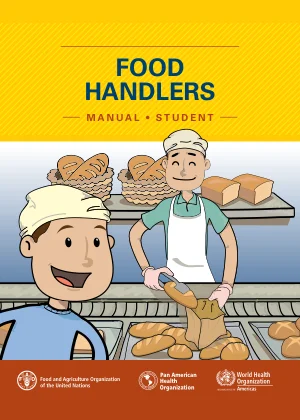
A colorful, illustrated course for anyone who handles food at work. Explains contamination, personal hygiene, safe temperatures, cleaning and the five keys to safer food with exercises at the end of each module.
The study manual for the food handler card exam. Short chapters on handwashing, sick workers, cooking, cooling and reheating temperatures, cross-contamination and cleaning, with a practice quiz.
A quick visual guide for restaurant and cafeteria staff. One page per topic: handwashing and gloves, thawing, rapid cooling, thermometer calibration, sanitizing, pest control and a self-inspection checklist.
Canning, drying and freezing save money, but a bad seal can cause botulism. These food preservation books give you the tested times and temperatures the USDA recommends.
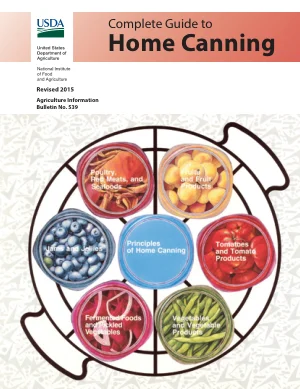
The USDA guide to canning at home without the risk of botulism. Tested processing times for fruits, tomatoes, vegetables, meats, pickles and jams, for both water bath and pressure canning.
A practical guide to drying fruits, vegetables, herbs and jerky safely. Compares dehydrators, ovens and sun drying and explains how to store and rehydrate dried food.
A hands-on lesson on freezing fruits and vegetables the right way. Explains blanching, packaging and freezer burn with step-by-step activities, part of the Put It Up! food preservation series.
HACCP is the system food companies use to find hazards before they reach a customer. These HACCP books walk you through the seven principles and show you how to write your own plan.
The FAO training manual for teaching HACCP. Walks through good hygiene practices, the seven principles and the twelve steps to build a HACCP plan, with case studies and trainer notes.
An FDA manual that adapts HACCP to restaurants and food stores. Shows how to map your menu by process, set critical limits and build a food safety management system your staff can follow.
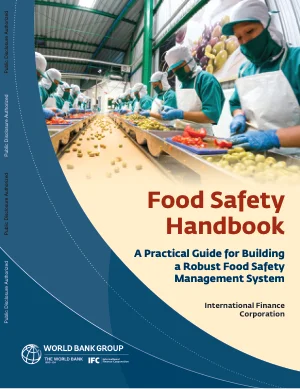
A complete handbook for food businesses that want a solid food safety system. Covers prerequisite programs, HACCP, ISO 22000 and FSSC 22000 certification, audits and food safety culture.
Salmonella, Listeria and E. coli behave in very different ways. These food microbiology books explain which pathogens live in which foods and why temperature control matters so much.
The FDA handbook on the bacteria, viruses, parasites and toxins that cause foodborne illness. Each chapter covers symptoms, the foods involved, how the pathogen spreads and how to prevent it.
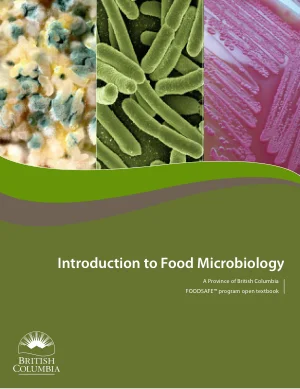
An open textbook from the FOODSAFE program on how microbes grow in food. Explains pH, water activity and temperature, the main foodborne pathogens and how processing controls them.
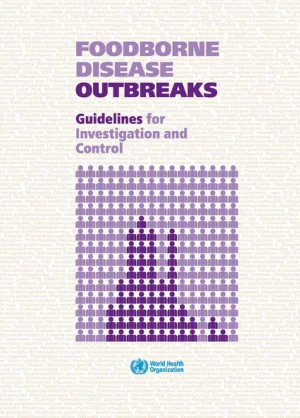
WHO guidelines for tracking down the source of a food poisoning outbreak. Covers detection, lab testing, epidemiological studies, control measures and a reference table of foodborne pathogens.
Food safety is one of those skills you use every single day without noticing. Start with a guide, keep a handbook near the stove, and share it with whoever cooks with you.
Want to keep cooking? Explore our full collection of Food & Drinks Books for recipes, baking, wine and much more.
Send this page to someone who’d love to read it. Everything is free, no sign-up needed.
Esc
Start typing to search...
Searching...
We couldn't find anything
Your book is downloading!
If InfoBooks helped you, you can support us in one click: add us as a preferred source on Google. You'll see more of our books when you search, and you'll help us keep sharing free reading with everyone.
Done! Your book is downloading
Know someone who’d enjoy reading it? Send them this page. It’s free, no sign-up needed, and you help us spread the love of reading.