These 23 free tea books in PDF cover everything between the leaf and the cup. You'll find tea history, herbal blends, recipes, growing guides and the science behind every sip.
Start with The Book of Tea, the 1906 classic by Okakura Kakuzo that introduced the West to the Japanese tea ceremony. Then explore green, black and oolong tea, from Darjeeling estates to Kenyan tea farms.
Every book is free to read online or download, with no sign-up.
📚
Download every Tea book on this page
All the books on this page in one ZIP file, instead of downloading them one by one.
We will redirect you to accounts.google.com to complete sign-in.
Email and name only · We never send spam
Access unlocked
Download every Tea book on this page
All the books on this page in one ZIP file, instead of downloading them one by one.
Direct download · One ZIP file
Download started. Check your downloads folder for the ZIP.
History & Culture
Tea History and Culture Books
From Chinese emperors to the East India Company and the Boston Tea Party, tea has shaped trade and empires. These tea history books tell that story, including the art of the Japanese tea ceremony.
The 1906 classic that introduced the West to Teaism, the Japanese philosophy of tea. Okakura moves from the tea schools of China to Zen, the tea room, flowers and the great tea masters in seven short chapters.
A leading historian of chanoyu explains the heart and form of the Japanese tea ceremony, from Sen no Rikyu and the tea room to utensils, etiquette and seasonal gatherings. Richly illustrated with color photographs of historic tea rooms and objects.
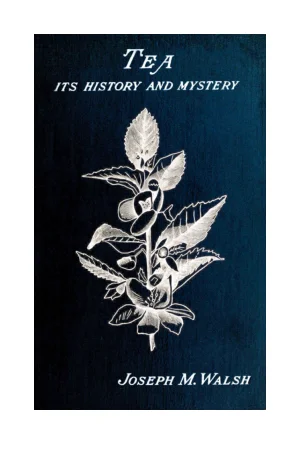
A tea merchant's complete 1892 reference on the history, cultivation, manufacture and trade of tea across China, Japan, India and Ceylon. Includes the legends, customs and poetry that grew around the cup, with period illustrations.
A short Victorian treatise on how tea is grown and prepared in China and how it conquered Europe, with a preface in Chinese and English by Lo Fong Loh. A lively look at tea adulteration and the trade that fueled the East India Company.
An 1884 history of tea in Britain: its arrival, cultivation, tea meetings and how to brew it. Reade gathers the opinions of doctors, writers and athletes on tea as a stimulant, plus its role as a source of revenue.
The original letters and documents on the tea shipped to America by the East India Company in 1773, with an introduction and biographical notices of the men of the Boston Tea Party. A primary source on the tea tax that sparked a revolution.
Chamomile, mint, linden and dozens of other plants make teas without a single leaf of Camellia sinensis. These herbal tea books show you how to brew, blend and enjoy them at home.
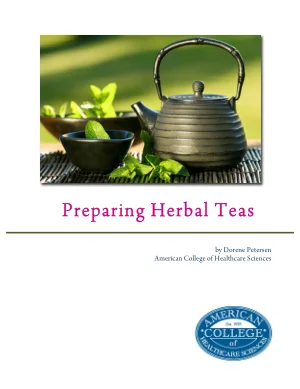
A practical guide to brewing herbal teas the right way: infusions versus decoctions, steeping times, dosages and how to blend herbs for flavor. Written by the founder of the American College of Healthcare Sciences.
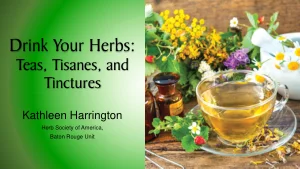
A visual introduction to herbal drinks from the Herb Society of America: the difference between tea, tisane and tincture, the best herbs to grow for tea and step-by-step preparation. Illustrated with photos of each plant.
More than 70 herbal tea recipes for everyday complaints, from sleep and stress blends to teas for colds, coughs and upset stomachs. Each recipe lists the herbs and the steeping method.
A handbook of the most popular relaxing herbal teas in Europe, with each country presenting four of its favorite infusions and their benefits. A student project that doubles as a friendly guide to chamomile, linden, mint and more.
The classic 1896 manual on blending tea: how to taste, select and combine black, green and oolong teas into balanced house blends. Includes tested formulas, a guide to detecting adulteration and notes on brewing.
A tea lover's guide to black, oolong, green, white and pu-erh teas, with leaf grades, caffeine levels and a brewing chart for the perfect cup. Describes hundreds of teas from Darjeeling to Keemun.
Creative tea drinks for every moment: fruity iced teas, matcha lattes, spiced infusions and green tea mocktails. Each recipe comes with clear ingredients, steps and full-color photos.
A step-by-step milk tea manual: how to cook tapioca pearls, brew black and green tea bases and build dozens of bubble tea drinks. Ideal for home cooks and small tea shops.
How tea is grown, plucked and processed in Kenya, Myanmar, Hawaii and beyond. These field manuals are for growers and anyone curious about where their cup of tea begins.
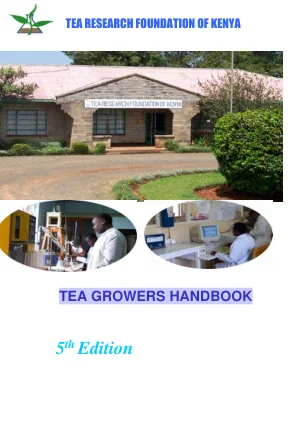
The complete reference for tea farmers, now in its fifth edition: land preparation, propagation, planting, pruning, plucking, nutrition, pests and diseases. A detailed manual from one of the world's leading tea research institutes.
A field guide to growing tea sustainably, from nursery practices and site selection to fertilizer use, weed control, harvesting and green leaf quality. Clear, step-by-step advice for smallholders and estate managers.
An ILO guide that follows tea from the bush to the cup: cultivation, plucking standards and the processing of green, black and pickled tea. Practical guidance on improving quality for small producers.
How to grow Camellia sinensis on a small farm and process the leaves at home into green, oolong and black tea. A concise guide from USDA and University of Hawaii researchers, with photos of each processing step.
Francis Zee, Dwight Sato, Lisa Keith, Peter Follett, Randall T. Hamasaki
A technical guide to growing tea organically: site requirements, planting, shade trees, pruning, natural fertilization and organic pest control. Written by an international organic farming association.
Catechins, caffeine and L-theanine have been studied by researchers for over a century. These books explain tea chemistry and how tea affects your health.
A collection of research papers on how tea affects human health, from green tea catechins and cancer prevention to metabolism, heart health and the gut. A solid open access reference on the science behind tea's benefits.
Current research on the chemistry of tea: aroma compounds, polyphenols, processing effects and flavor quality across green, black, oolong and dark teas. Edited by researchers at the Chinese Academy of Agricultural Sciences.
Research chapters on the composition of different teas and the effects of their compounds on health, from antioxidants to neuroprotection. Closes with the uses of tea in the food industry.
A 1905 public health inquiry into what makes tea beneficial or harmful: caffeine, tannin and the effect of brewing time. One of the first scientific studies of how to brew tea for health.
A food science project that designs a natural energy drink from green tea, with a review of caffeine, catechins and the types of green tea used. Includes formulation steps and consumer taste testing.
Send this page to someone who’d love to read it. Everything is free, no sign-up needed.
Esc
Start typing to search...
Searching...
We couldn't find anything
Your book is downloading!
If InfoBooks helped you, you can support us in one click: add us as a preferred source on Google. You'll see more of our books when you search, and you'll help us keep sharing free reading with everyone.
Done! Your book is downloading
Know someone who’d enjoy reading it? Send them this page. It’s free, no sign-up needed, and you help us spread the love of reading.