11 Free Kinesiology Books [PDF]
by InfoBooks

Kinesiology turns every step, lift, and reach into a science you can learn. Our free kinesiology books in PDF cover human movement from the ground up, with material for students, therapists, and readers who want to understand how the body actually works.
This collection brings together introductory textbooks, biomechanics references, applied kinesiology manuals, taping guides, and functional anatomy resources in one place. You will find foundational works on motor control and exercise science, along with practical guides used by physical therapists and chiropractors.
Every title is free to read or download, with no registration and no paywall. Pick the section that matches your goal and start studying human movement today.
Download every Kinesiology book on this page
All the books on this page in one ZIP file, instead of downloading them one by one.
We will redirect you to accounts.google.com to complete sign-in.
Email and name only · We never send spam
Download every Kinesiology book on this page
All the books on this page in one ZIP file, instead of downloading them one by one.
Direct download · One ZIP file
Download started. Check your downloads folder for the ZIP.
Kinesiology Books
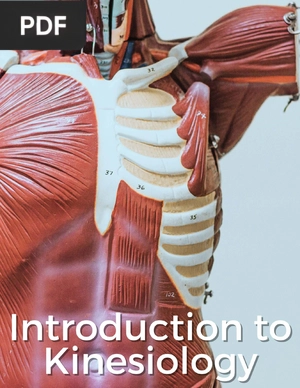
Foundational textbooks that introduce the field, its history, and its core methods. A good starting point if you are new to the study of human movement.


Books on Biomechanics
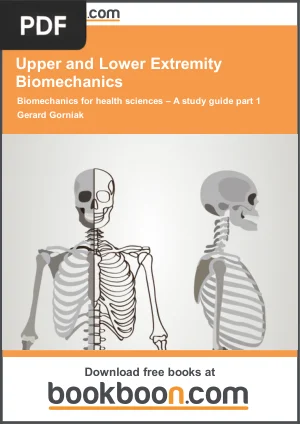
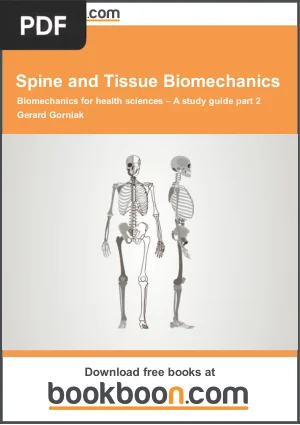
How forces, levers, and tissues interact when the body moves. Useful for students of sport science and rehabilitation who want the mechanical foundations.
Books on Applied Kinesiology
Muscle testing and assessment protocols used in clinical practice. Built for chiropractors and practitioners who link muscle function with overall health.

Books on Kinesiology Taping
Application techniques for muscle, ligament, and lymphatic taping, with step-by-step anchoring methods. Practical guides used by physiotherapists and sports medicine teams.
Books on Functional Anatomy
Regional anatomy explained through the lens of movement and joint mechanics. A bridge between pure anatomy and clinical rehabilitation work.
Kinesiology is the bridge between anatomy and action. These books give you the vocabulary and the frameworks to read the body as a system of forces, joints, and coordinated movement.
For more related material, browse our full collection of free medical books in PDF.
You Might Also Like

Physiotherapy Books
Rehabilitation, exercises, recovery. Restoring movement and function through physical therapy.

Anatomy and Physiology
Body, organs, structure. The study of the human body's physical structure.

Sports Medicine Books
Injuries, performance, recovery. Medical care for athletes and active individuals.
Traumatology Books
Injuries, fractures, emergency. Treating physical injuries and trauma.